
According to Allianz Trade: Hidden Debts for AI Infrastructure Surge to $2.6 Trillion
According to Allianz Trade, hidden AI infrastructure commitments of US hyperscalers reached $2.6 trillion, lifting their true debt burden by nearly 150 percent.
Deep analysis and background on the big AI topics.
15 stories

According to Allianz Trade, hidden AI infrastructure commitments of US hyperscalers reached $2.6 trillion, lifting their true debt burden by nearly 150 percent.

New empirical studies from McKinsey and KPMG show autonomous agents scaling rapidly, but reveal a persistent divergence between individual efficiency and corporate profit gains.

A study by Apollo Global Management shows that AI has caused few US layoffs so far, but slowed real wage growth in exposed jobs by 6.7 percentage points.

Recent findings from KPMG, The Futurum Group, and SAS show that while enterprise AI budgets are frequently exceeded, solid data governance has become the deciding factor for profitability.

A global report reveals that 72 percent of corporate AI initiatives fail due to outdated processes, causing average losses of 1.55 million dollars per enterprise.

While enterprise adoption and US model dominance surge, new reports show only 37 percent of firms see an EBIT boost, largely held back by legacy IT systems.

Recent economic studies show enterprise AI driving hiring at early adopting firms, even as 89 percent of surveyed executives report no measurable productivity gains at company level.

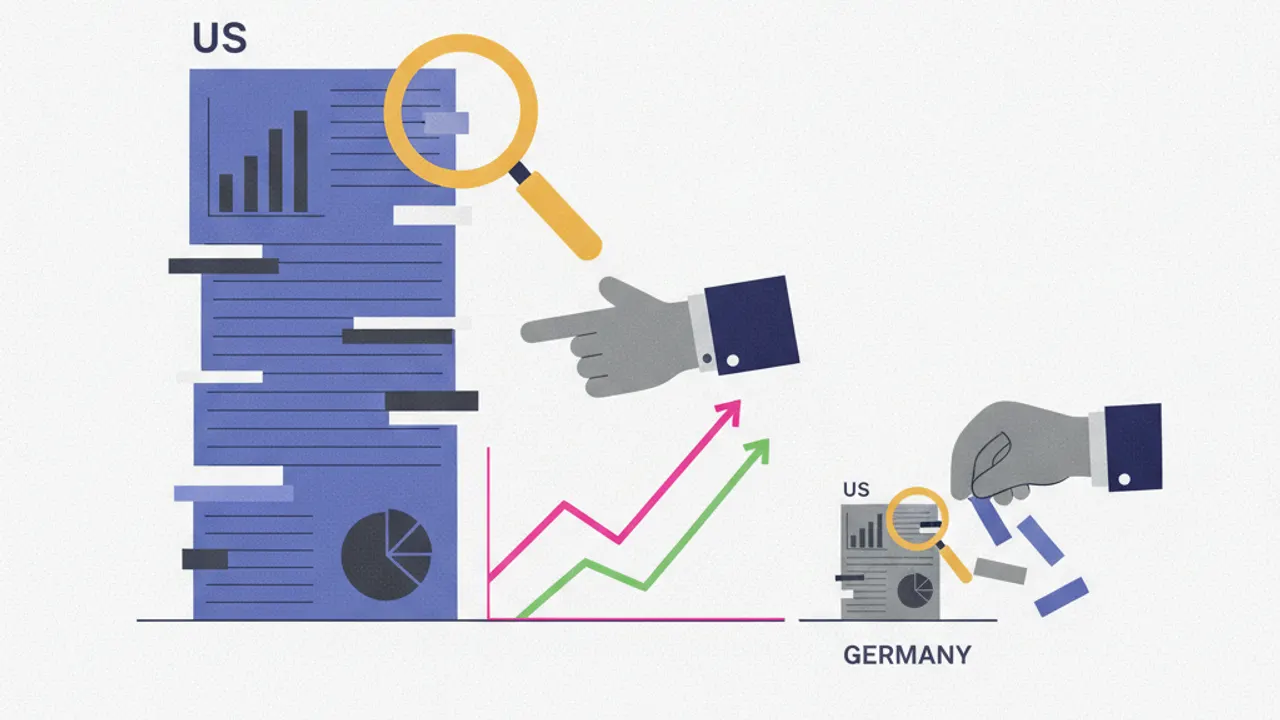
A study by Horváth reveals a stark disparity in AI investments: US industrial firms spend 2.9 percent of revenue on artificial intelligence, compared to just 0.6 percent in Germany.

According to a Bitkom survey, vacant IT jobs in Germany fell to 79,000. AI increasingly replaces unfilled positions, while shortages of senior software architects persist.

A Gartner survey of 1,303 executives reveals that only 22 percent have scaled AI across departments, even as 85 percent plan to increase their spending in the coming year.

A survey by BambooHR shows office workers spend 42 percent of their AI time fixing errors and refining prompts, even as corporate software budgets continue to expand without clear return metrics.

A joint study by EMA and Cequence Security reveals severe governance gaps and operational risks as autonomous AI agents routinely exceed their assigned permissions.

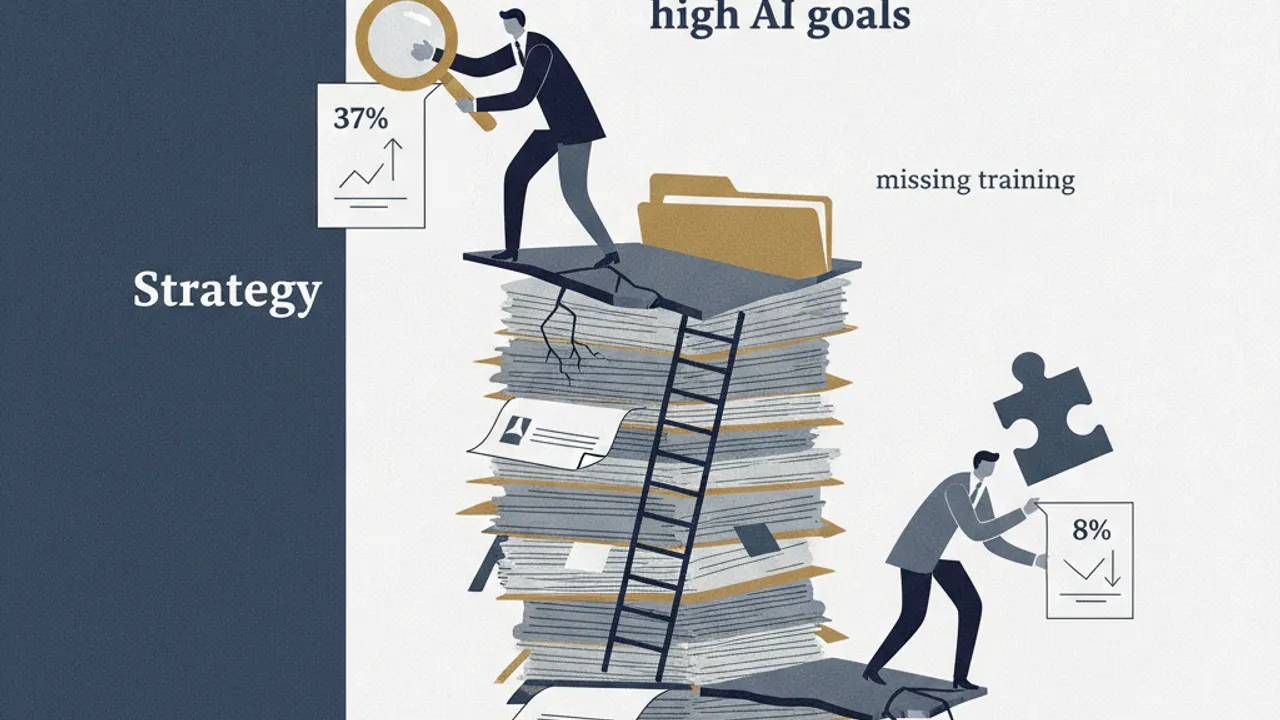
New surveys by CGI and SmarterX reveal a wide gap in AI adoption: While 37 percent have an enterprise-wide strategy, only eight percent have deployed it operationally throughout their ecosystem.

New reports from Goldman Sachs and the New York Fed reveal that generative AI causes minimal job losses, but it is substantially narrowing entry points for junior professionals.

Over half of Eurozone employees now use AI on the job according to the ECB, while German survey data reveals growing job fears and a lack of corporate training.