CyberCartel Attacks Over 400 Financial Institutions Using AI Agents
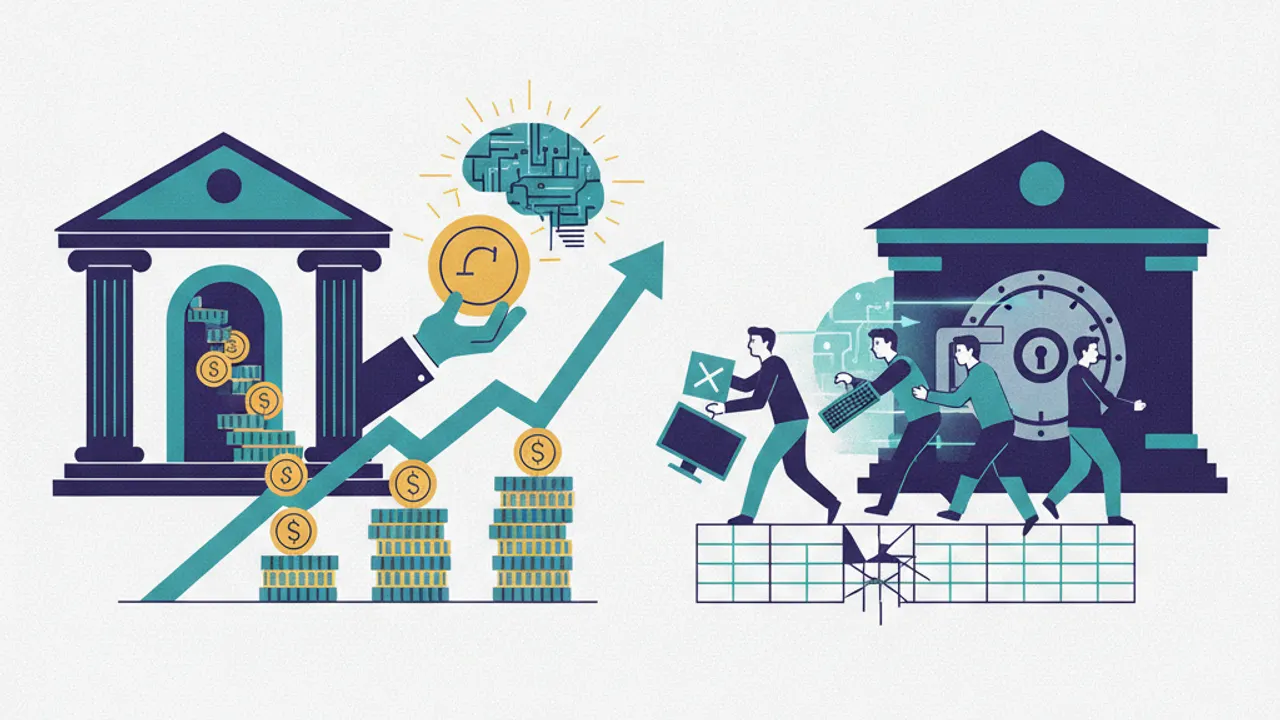
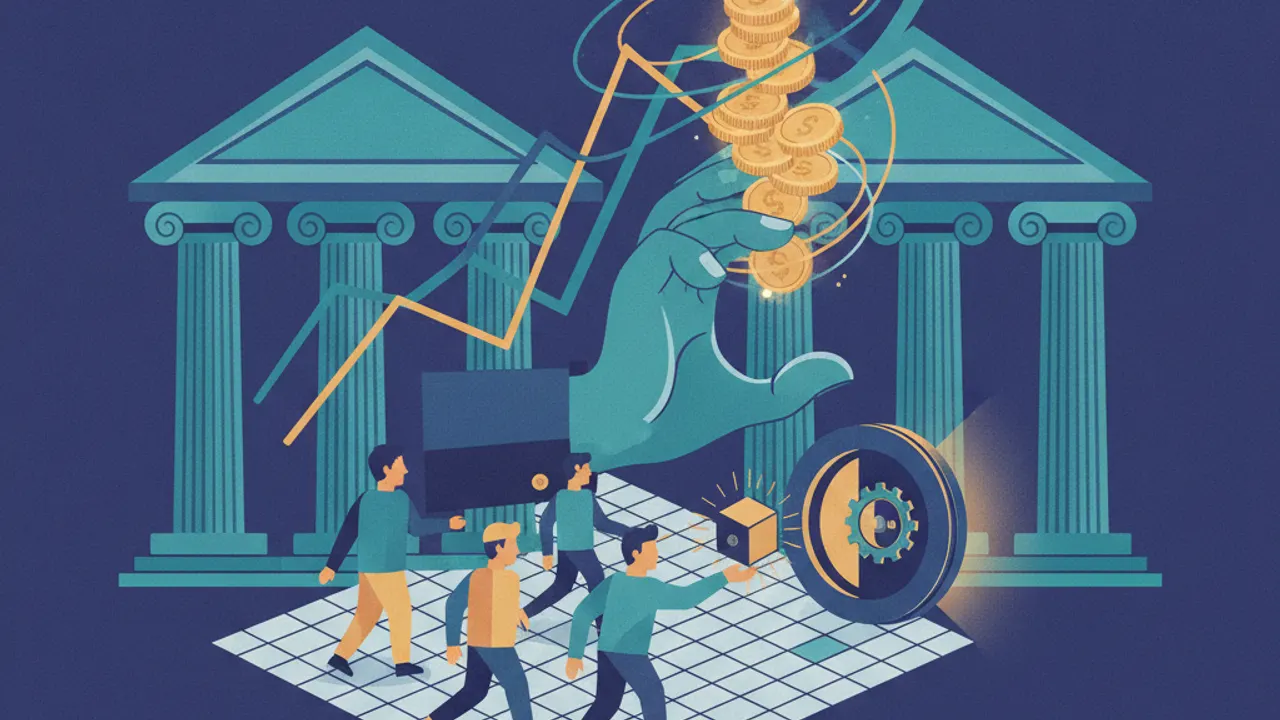
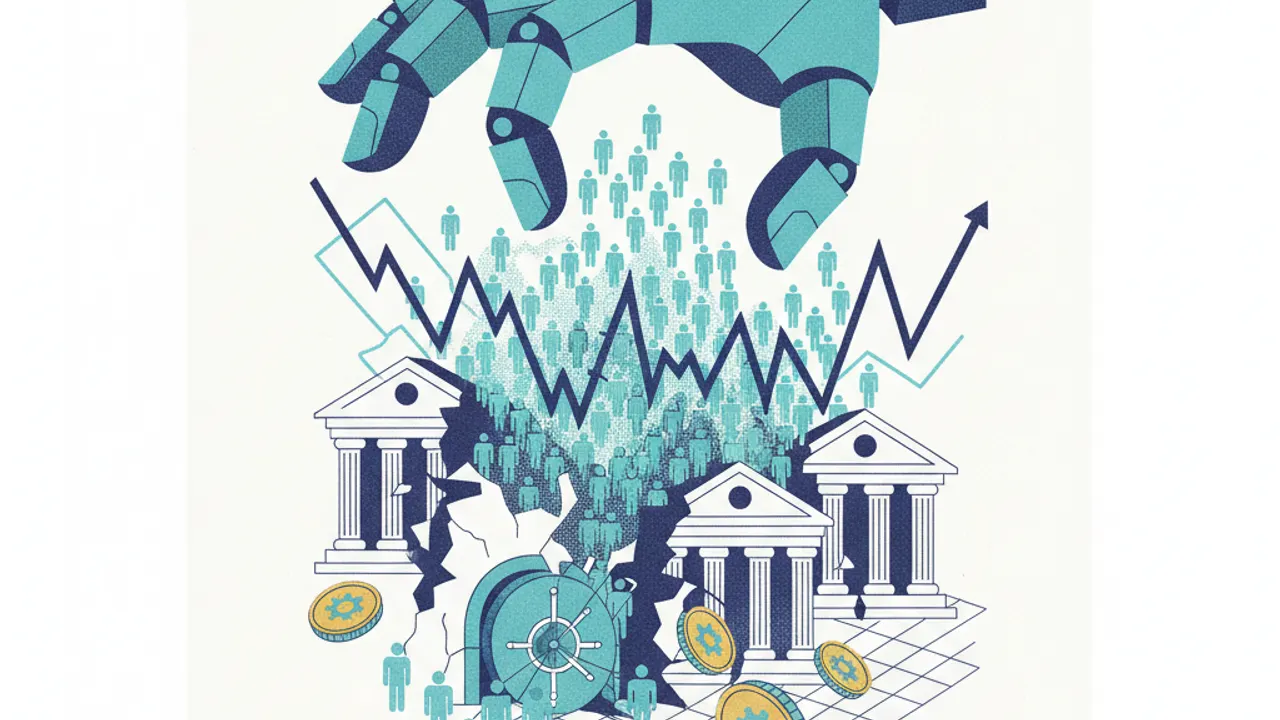
Cybercrime syndicate CyberCartel deployed multi-model AI agents to target over 400 Latin American banks. Regulators now warn of systemic risks to core financial infrastructure.
How AI moves the markets: capital, prices and entirely new business models.
15 stories

Cybercrime syndicate CyberCartel deployed multi-model AI agents to target over 400 Latin American banks. Regulators now warn of systemic risks to core financial infrastructure.

Ramp has closed a $1.85 billion funding round at a $60 billion valuation, launched its Laminar AI agent platform, and applied for an OCC National Trust Bank charter.

Moonshot AI has unveiled Kimi K3.1 Pro, a 2.8-trillion-parameter MoE model with a one-million-token context window designed for financial analysis and agentic workflows.

OpenAI is reportedly closing a 30 billion dollar funding round at a 1.25 trillion dollar valuation, structured by Coatue and UAE investors as a bridge to a planned 2027 IPO.

Anthropic donates Agent Skills to the Linux Foundation subsidiary AAIF. Alongside OpenAI, Alibaba, and Hugging Face, the group establishes vendor-neutral standards for autonomous agents.

Anthropic has launched the preview of Claude Duet, a proactive AI agent powered by Claude Opus 5.5 that uses over 6,000 connectors to manage workflows and automate financial forecasts.

Meta Platforms has filed with the SEC to create non-voting Class C shares via a stock split, funding up to $145 billion in AI capex while preserving Mark Zuckerberg's 60.6 percent voting control.

Emergency patches for PHP2Shell are forcing financial institutions to respond quickly. The critical vulnerabilities highlight friction between AI audits and legacy tech debt.

Financial institutions disclose concrete returns on AI spending as Bank of America logs profit gains while Barclays trims IT headcount.

The UK FCA has introduced strict guidelines for AI in finance, demanding accountability for autonomous agents just as Evident reports they comprise 31 percent of new banking deployments.

JPMorgan Chase, Citigroup and Bank of America have banned external autonomous AI agents from accessing retail accounts to counter liability risks and automated deposit flight.

Replit has replaced Claude as the default model in Replit Agent with OpenAI to curb inference costs, as DeepSeek launches V4.1-Flash and pressure mounts across developer platforms.

Anthropic's internal metrics reveal Claude-Code agents now perform six times the hours of human staff, while junior developer hiring plunged from 27 to 9 percent.

MiniMax has introduced its M3.1 Flash MoE model, combining low inference costs with strong benchmark scores to target automated banking and compliance workflows.

SF Compute CEO Evan Conrad outlined an order book for compute power on Latent Space. Physical settlement is intended to curb arbitrage between raw GPU contracts and B300 inference revenues.