
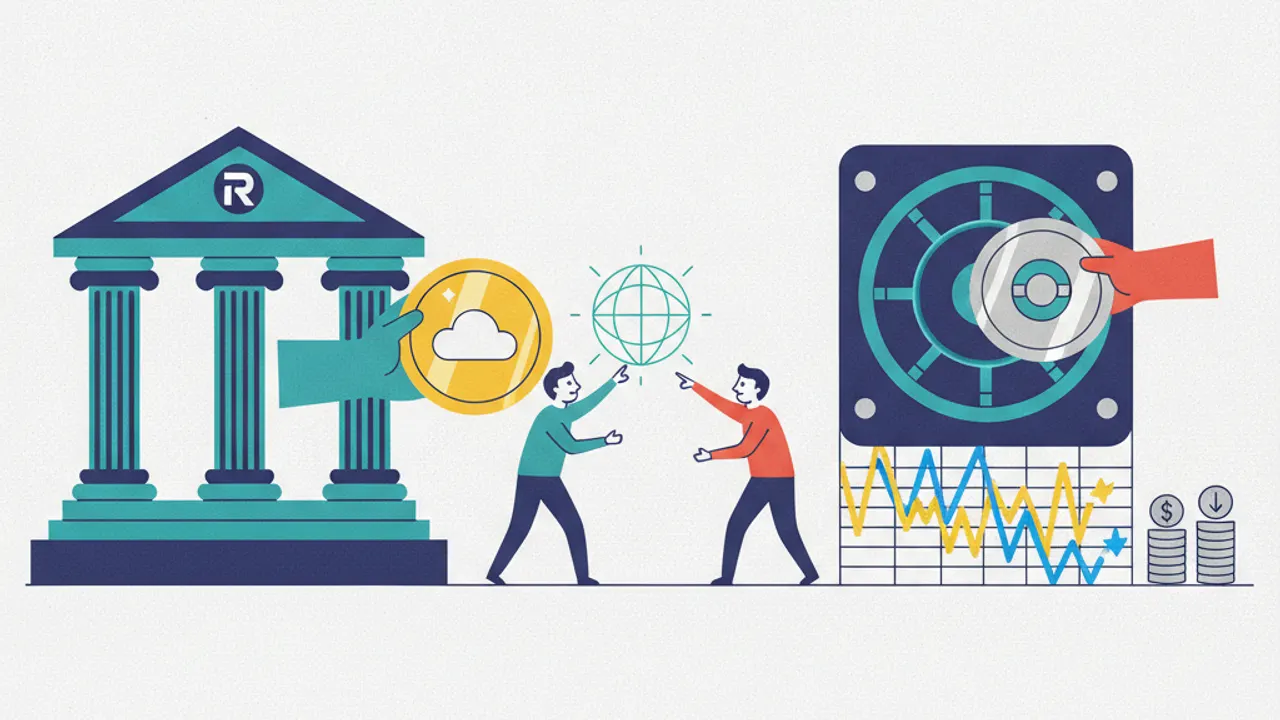
The market for autonomous software engineering is undergoing a pronounced shift in model selection and underlying cost structures. Coding platform Replit has dropped Anthropic's Claude as the default engine powering its Replit Agent, switching instead to OpenAI. Replit guided this strategic transition primarily by the imperative to reduce soaring inference costs associated with executing repetitive coding workflows. The change represents a notable turning point, as Claude had established itself as a premier favorite among software developers tackling complex code synthesis.
This shift at Replit highlights the severe margin pressure confronting platforms that build on top of agentic developer tooling. Autonomous coding agents generate millions of tokens per task as they iterate through debugging, compiling and automated testing cycles. If platforms offer flat-rate subscriptions or developer tiers, high inference pricing quickly threatens operational margins. By partnering with OpenAI, Replit aims to secure the economic durability required to keep developer subscriptions viable in an increasingly crowded marketplace.
Compounding this competitive pricing dynamic is the arrival of specialized, highly efficient alternative architectures. Chinese AI laboratory DeepSeek launched its V4.1-Flash model on October 17 and 18, 2026. The architecture delivers shorter and noticeably faster responses while scoring 77 percent on the rigorous DeepSWE benchmark. Highly optimized models like V4.1-Flash demonstrate that enterprise-grade coding assistance no longer requires oversized parameter counts, ratcheting up price competition against legacy foundation models.
These pricing battles coincide with structural transformations inside engineering workforces. Leaked metrics from an internal Anthropic workforce report revealed a steep decline in hiring entry-level junior software developers. Internal assessments within the lab suggest staff expect autonomous systems to handle 75 percent of day-to-day operational coding duties by 2030. Consequently, foundational software roles that once served as career entry points are vanishing or undergoing rapid redefinition.
Prominent open-source developers such as Simon Willison echoed these sentiments in mid-October, highlighting essays like Jeremy Scheff's reflection on the sunset of traditional manual programming. Daily engineering practice is migrating away from manual logic construction toward prompt specification, code review and high-level architectural oversight. Programmers increasingly orchestrate agentic loops rather than typing syntax, transforming how software is conceptualized and maintained across both tech enterprises and quantitative finance groups.
For software tooling providers, this environment marks an era of strict unit economics and model interchangeability. Platform loyalty to specific model vendors is rapidly evaporating in favor of dynamic routing that optimizes token costs down to fractions of a cent. Engineering leaders must design modular software pipelines capable of swapping model providers on short notice. The race to deploy autonomous agents is now decided by operational efficiency just as much as by raw intelligence benchmarks.