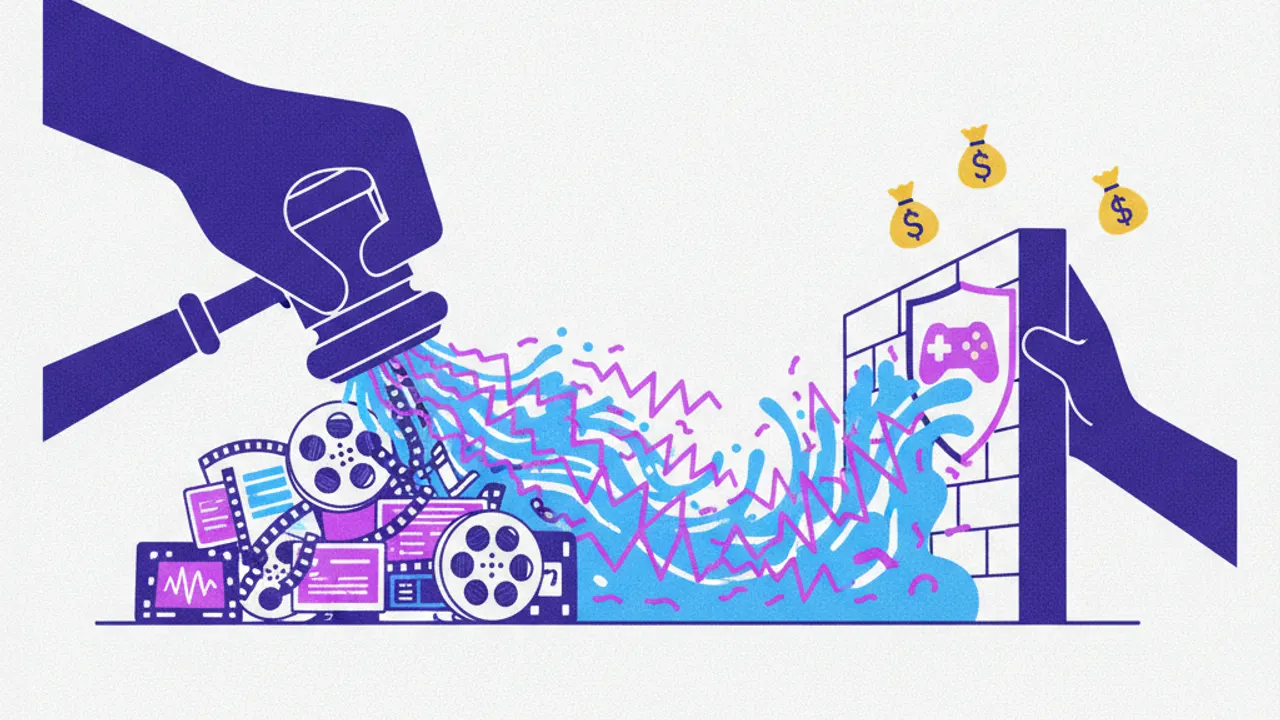
The brewing conflict between legacy music corporations and the uncontrolled surge of automated synthetic audio has reached a pivotal courtroom showdown. Universal Music Group, joined by Capitol Records, has filed a comprehensive federal lawsuit against DistroKid in the US District Court in Delaware. DistroKid, recognized as the world's largest do-it-yourself distributor for independent musicians, stands accused of establishing what plaintiffs call an AI slop pipeline. The legal complaint argues that mass-produced synthetic audio tracks are systematically undermining the streaming ecosystem and capturing royalties intended for human artists.
In the filing, the labels assert that DistroKid engages in deceptive business practices and facilitates massive copyright violations. According to the plaintiffs, synthetic fake tracks are pumped onto major streaming platforms including Spotify, Apple Music, and TikTok. Rather than acting as a neutral intermediary, DistroKid is alleged to knowingly overlook red flags and repeatedly distribute flagged infringing content in order to collect recurring distribution fees. The lawsuit emphasizes that the service allowed automated bot networks to exploit the streaming economy at scale.
The financial stakes involved in the lawsuit are considerable. In an initial tranche, UMG is seeking statutory damages for 1,000 specific copyrighted titles, reaching up to 150 million US dollars in total penalties. The legal action is rooted in federal copyright law, which provides strict statutory compensation for willful infringements. UMG contends that flooding commercial platforms with synthetic junk dilutes the royalty pool, as coordinated streaming operations generate artificial plays to capture income from the shared distribution pool.
Despite the aggressive filing, Universal Music went out of its way to outline the legal scope of the dispute. The label explicitly stated that it is not taking action against properly attributed, legitimate artificial intelligence experiments or authorized synthetic tracks. Instead, the legal offensive specifically targets identity impersonation, fraudulent artist metadata, and deliberate bot farming that abuses copyrighted catalogs. The majors intend to force digital distributors into implementing strict upfront filtering rather than relying on delayed post-upload takedowns.
The legal battle in Delaware also unfolds against a wider industry landscape marked by conflicting digital initiatives. While UMG seeks to penalize unauthorized automated uploads, it is concurrently partnering with streaming networks like Spotify to launch licensed generative remix tools for paying subscribers. At the same time, unionized studio performers in the American Federation of Musicians are challenging both UMG and Warner Music in federal court, demanding their share of training license settlements previously struck with generative audio platforms such as Suno and Udio.
The resolution of this case could reshape the structural foundations of digital distribution. DIY platforms have long depended on legal safe harbor provisions, which protect intermediaries from liability as long as they process takedown notices in a timely manner. If the Delaware court finds that DistroKid knowingly tolerated systematic infringement or acted with willful blindness, distributors will be compelled to introduce aggressive verification procedures. Such changes will likely raise publishing costs and delay distribution for legitimate independent musicians worldwide.