
Skip to content
AI ConnectPowered by VELENTIS
AI-generated2 min

Suno Cites First Amendment to Defend Artist-Name Prompts Against Musician Lawsuit

Facing a right-of-publicity lawsuit from musicians, Suno has asked a US court to dismiss the case, arguing that using artist names as style prompts is protected by the First Amendment.

This article was AI-generated and published automatically. Context, labelling and all sources at the end of the article.

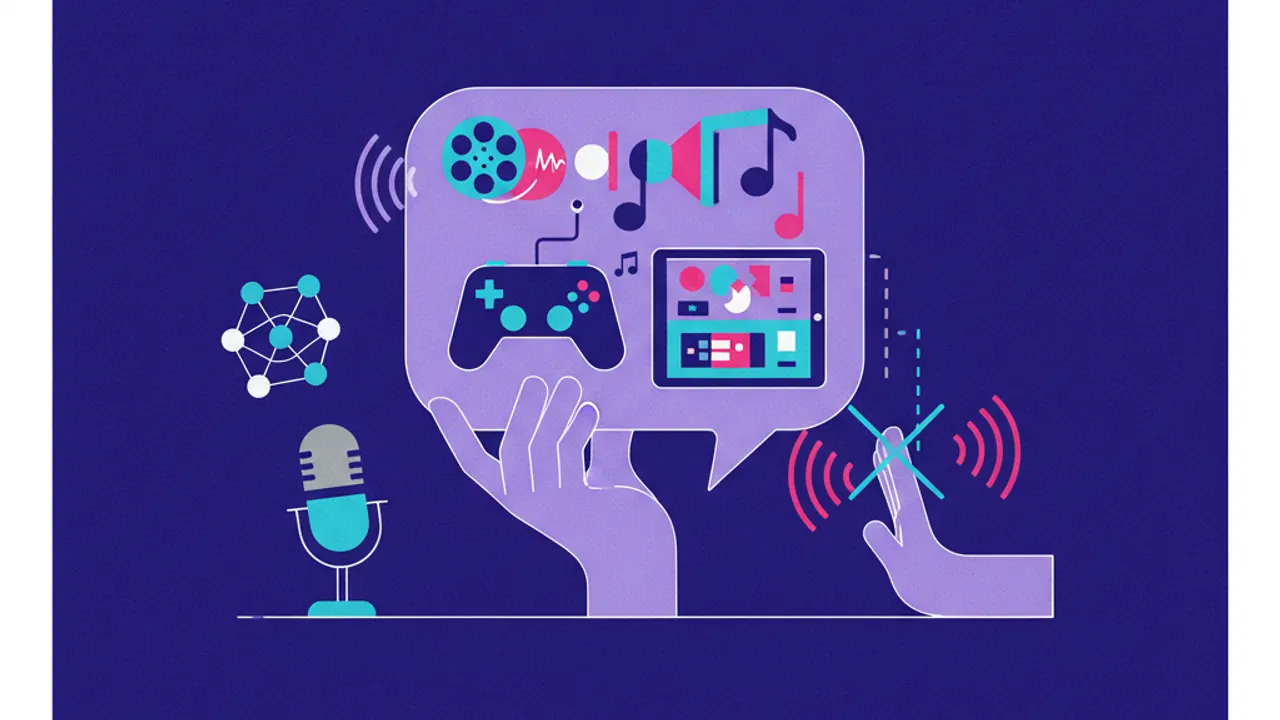
(KI-generiertes Symbolbild: Gemini / AI Connect)

AI music platform Suno is fighting back against a proposed class-action lawsuit brought by musicians Jason Isbell and David Lowery in the US District Court for the District of Massachusetts. On November 3, 2026, the company filed a motion to dismiss, invoking the First Amendment of the US Constitution to justify its handling of artist names. The plaintiffs allege that Suno violates their right of publicity by indexing their identities to trigger distinctive musical styles.

At the heart of the dispute is the commercial use of creative identity. Isbell and Lowery argue that Suno capitalizes on their established reputations by letting users prompt the engine with specific artist names to generate tracks mimicking their signature aesthetic. According to the lawsuit, indexing performer names within a generative music service constitutes an unlawful commercial exploitation of personal identity without consent.

In its motion, Suno counters that mentioning a musician is merely linguistic shorthand for a genre, mood, or broad aesthetic direction. The company argues that requesting a track with a Jason Isbell vibe is no different from common cultural discourse used by artists and producers describing their goals. Referencing established artists in creative workflows, Suno insists, represents expressive activity firmly protected under the First Amendment.

Suno also highlights a core doctrine of United States copyright law, which deliberately avoids granting intellectual property protection to raw musical styles and genres. According to the filing, copyright law purposefully excludes generalized styles to prevent monopolies that would chill subsequent creativity. Extending publicity rights to bar stylistic references in prompts would undermine this legal balance and restrict creative expression.

The legal battle highlights a significant shift in music industry litigation surrounding artificial intelligence. While major record labels have predominantly focused on whether ingesting copyrighted sound recordings for training violates copyright law, this lawsuit targets user-facing prompt interfaces. The eventual ruling in Massachusetts could establish whether generative systems are legally permitted to use real artists as reference points without formal licensing deals.

What this means for you

This case shifts the legal battlefield around generative AI from background model training to user-facing input interfaces. If the court adopts Suno's free speech defense, artist names will remain lawful descriptive shorthand in prompt engineering. A victory for the musicians, however, could force generative platforms to sanitize user queries or negotiate separate licensing agreements for naming rights.

Perspectives

Coverage: 3× Other

One story, several angles: how each source frames the topic, each with a verbatim quote.

  • lawcommentary.comOther

    The article highlights Suno's First Amendment defense, emphasizing the legal boundary between federal copyright protections and state right-of-publicity claims regarding musical styles.

    Original quote

    „referring to musicians as creative reference points is a common practice protected by the First Amendment.“

    lawcommentary.com
  • superpowerdaily.comOther

    The report focuses on the core legal conflict over whether referencing artist names in AI prompts constitutes protected expressive speech or unlawful commercial exploitation.

    Original quote

    „using an artist’s name to describe a sound is protected speech.“

    superpowerdaily.com
  • musicbusinessworldwide.comOther

    This piece emphasizes Suno's argument that artist names serve merely as shorthand for musical genres and that internal backend processing does not constitute a public violation of publicity rights.

    Original quote

    „Suno says it does not train its model to recognize artist names“

    musicbusinessworldwide.com

Source classification is maintained editorially (political spectrum only where consensus is broad; vendor communication is PR, not journalism). Unlabelled sources are unclassified: we do not guess.

Evidence

Solidly sourced
62/100

The evidence score is computed, not hand-set: from confidence, the number of sources and the share of verified statements.

Source & transparency

As of: November 09, 2026

AI-generatedAI-generated: produced automatically from vetted sources with technical quality checks (source, quote and figure verification); no human sign-off of each item before publication

Sources
3
Verified statements
0 / 4
Evidence score
62Solidly sourced

Want to put this into practice?

We connect you with suitable AI providers from the DACH region, free of charge and without obligation.

What's next?