
Skip to content
AI ConnectPowered by VELENTIS
AI-generated2 min

PwC Survey Highlights Widening Training Deficit Despite Surging Workplace AI Adoption

PwC's Global Workforce Hopes and Fears Survey 2026 reveals that while AI usage is climbing across global workforces, access to essential corporate training is falling sharply.

This article was AI-generated and published automatically. Context, labelling and all sources at the end of the article.

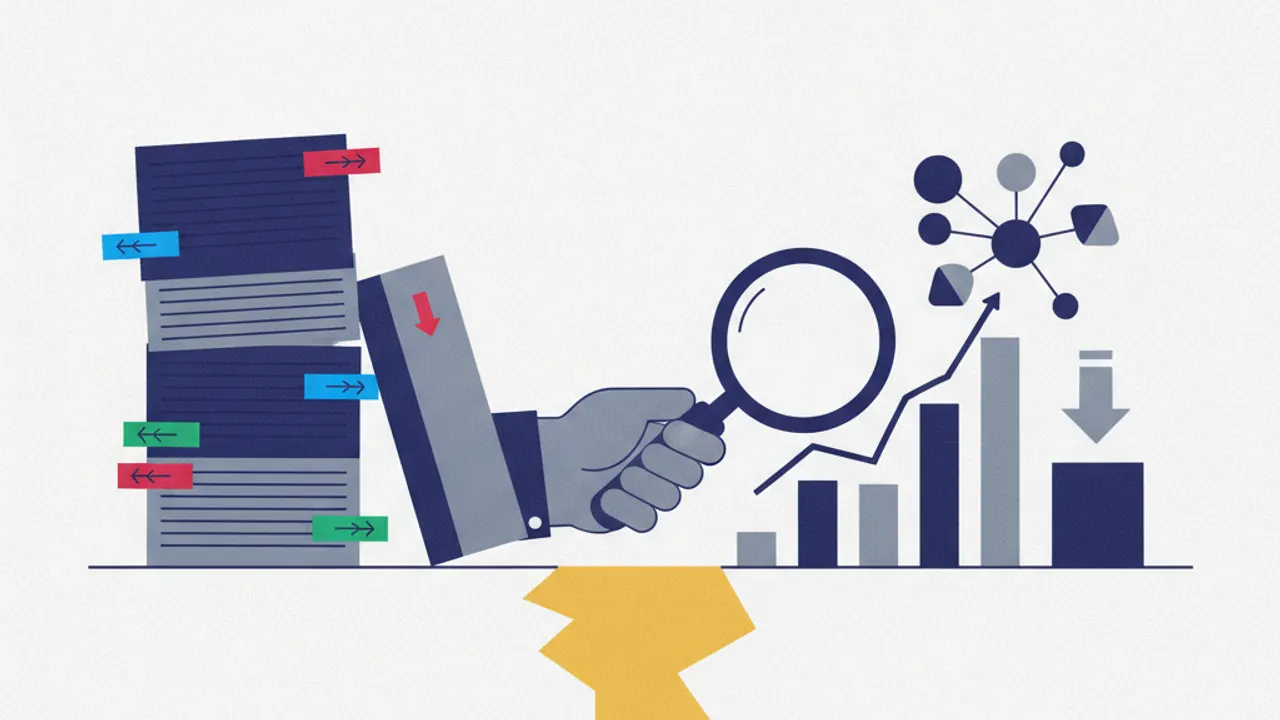
(KI-generiertes Symbolbild: Gemini / AI Connect)

Workplace adoption of artificial intelligence is accelerating rapidly, but structured training for employees is failing to keep pace. This is the central finding of the Global Workforce Hopes and Fears Survey 2026 published by professional services firm PwC, which surveyed 49,364 workers across 48 countries and regions. According to the research, 64 percent of employees now state that they use AI in their daily professional roles, representing an increase of ten percentage points compared to the previous year. Daily usage of generative AI tools rose noticeably as well, climbing from 14 percent to 22 percent.

At the same time, the survey exposes a deteriorating environment for corporate skill development. Even as automated systems permeate standard workflows, the proportion of employees receiving relevant educational opportunities has contracted sharply. Only 51 percent of surveyed workers reported having access to necessary training and learning resources. In the previous year, that figure stood at 59 percent, marking an eight percentage point drop within a single annual cycle.

PwC highlights a four-way division within modern corporate workforces, driven largely by divergent access to skills and tools. Leading this dynamic is a cohort termed front-runners, comprising 14 percent of respondents. This segment possesses advanced AI capabilities, benefits from an 80 percent training access rate, and exhibits high confidence in future career outcomes. In contrast, the vast majority of the workforce risks being left behind.

The bulk of employees belongs to what PwC identifies as the engine room, accounting for 56 percent of the global sample. These professionals manage day-to-day operations with little support, facing restricted access to enablement programs and modern AI resources. Less than 40 percent of workers in this group receive training opportunities, entrenching a significant division between skilled technical specialists and core operational staff.

This skills gap aligns with significant oversight deficits at executive and governance levels. Findings from the PwC Governance Insights Center, which surveyed more than 600 corporate directors, reveal that 71 percent of board members admit their oversight panels lack the technical depth required to evaluate AI risks and strategic investments. Furthermore, directors predominantly rated management reporting on AI risk mitigation, financial returns, and workforce readiness as adequate to poor.

What this means for you

For employees, this research indicates that relying solely on employer-provided training is risky, as companies increasingly concentrate development resources on a small elite. Workers must proactively develop verifiable technical competencies to avoid remaining trapped in operational roles that lack institutional support.

Perspectives

Coverage: 1× US · 4× Other

One story, several angles: how each source frames the topic, each with a verbatim quote.

  • pwc.comOther

    PwC highlights that companies risk losing their most AI-savvy employees while leaving the majority of the workforce behind.

    Original quote

    „Companies risk losing their most AI-savvy employees while leaving majority behind“

    pwc.com
  • thenextweb.comOther

    The Next Web focuses on how most workers are falling behind on AI skills because access to training is dropping despite increasing workplace AI use.

    Original quote

    „Yet fewer say they can get the training they need, PwC found“

    thenextweb.com
  • workplaceinsight.netOther

    Workplace Insight emphasizes the growing divide within the workforce as access to training declines while daily generative AI use accelerates.

    Original quote

    „But access to training has moved in the opposite direction.“

    workplaceinsight.net
  • businessinsider.comUS

    Business Insider emphasizes how disparities in AI skills and training access are splitting workers into four distinct groups and creating a two-speed workforce.

    Original quote

    „the survey revealed a widening divide in how workers are getting the tools and opportunities to benefit from AI.“

    businessinsider.com

Source classification is maintained editorially (political spectrum only where consensus is broad; vendor communication is PR, not journalism). Unlabelled sources are unclassified: we do not guess.

Evidence

Solidly sourced
69/100
  • The proportion of workers with access to necessary training resources declined from 59 percent in the previous year to 51 percent in 2026.

    verified
  • PwC segmented workers into groups including 14 percent front-runners with 80 percent training access and 56 percent in the engine room with under 40 percent training access.

    single source
  • A PwC survey of over 600 corporate board members revealed that 71 percent admit their board lacks the specialized understanding needed to oversee AI risks and investments.

    single source

The evidence score is computed, not hand-set: from confidence, the number of sources and the share of verified statements.

Source & transparency

As of: September 30, 2026

AI-generatedAI-generated: produced automatically from vetted sources with technical quality checks (source, quote and figure verification); no human sign-off of each item before publication

Sources
5
Verified statements
1 / 3
Evidence score
69Solidly sourced

Want to put this into practice?

We connect you with suitable AI providers from the DACH region, free of charge and without obligation.

What's next?