
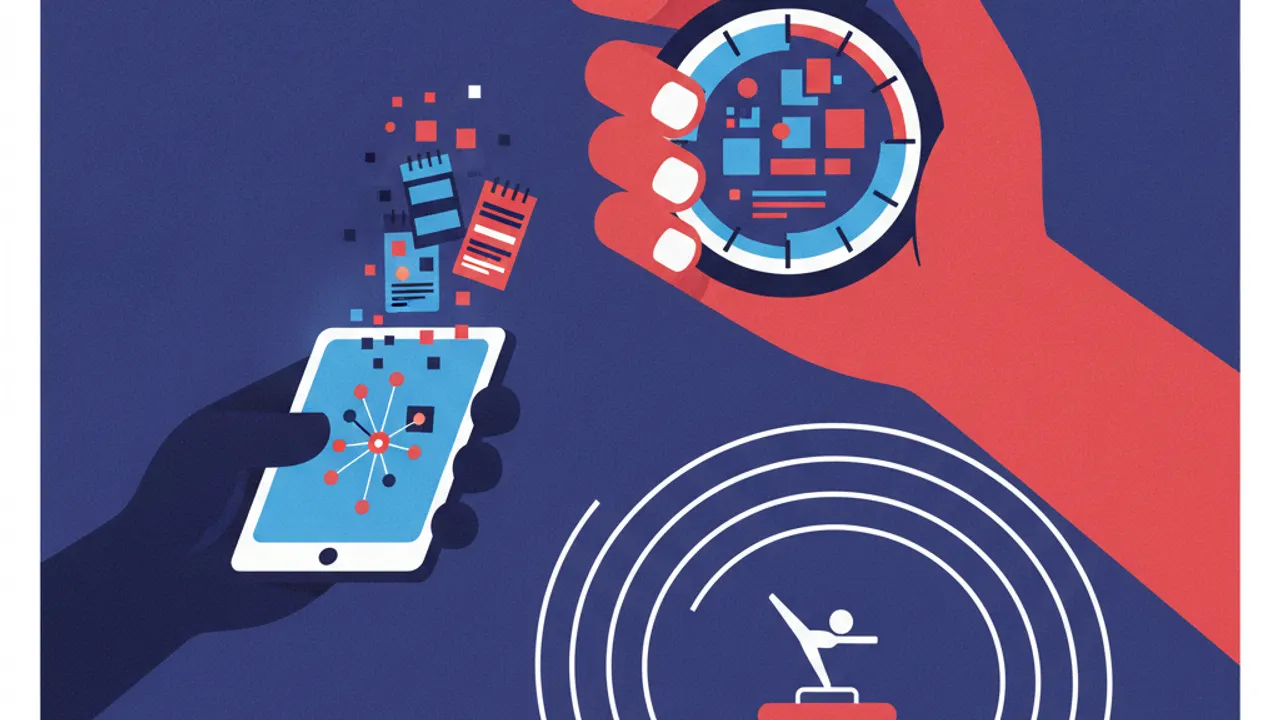
The International Gymnastics Federation is preparing a fundamental shift in how elite athletic performances are evaluated. As Morinari Watanabe, president of World Gymnastics, also known as the FIG, stated in an interview with The Athletic, the governing body is pursuing the gradual and total replacement of human judges with artificial intelligence systems. This strategic initiative aims to redefine one of the oldest traditions in gymnastics competition, where panels of officials have scored routines for generations. Instead of judges seated alongside the floor, automated systems are intended to decide competition outcomes. Watanabe underscored that this technological evolution is planned to go far beyond ordinary advisory tools.
Concrete steps toward this transformation are already taking shape in preparations for major upcoming athletic events. The federation is currently engaged in advanced negotiations regarding the deployment of AI assistants at the 2028 Olympic Games in Los Angeles. This planned deployment is designed to serve as a high-profile testing ground, demonstrating the reliability of algorithmic scoring under extreme competitive pressure. Los Angeles 2028 could therefore become a historic milestone where human officials and automated models initially cooperate on the world stage. The federation views these discussions as an essential step to resolve skepticism among athletes and officials while establishing the baseline for autonomous evaluation.
The technological core of this project is the 3D Judging Support System, known as JSS, developed in partnership with the Japanese technology corporation Fujitsu. The platform relies on a sophisticated combination of optical sensors, AI pattern recognition, and precision laser tracking technology. Through this integration, the system captures and analyzes highly intricate, fast-moving acrobatic routines in full three-dimensional space within fractions of a second. Deductions for incomplete rotations, posture deviations, or flawed landings are calculated automatically based on established criteria, preventing human sightline limitations or reaction delays from distorting the score.
The primary driver behind this radical shift is the sport's history of judging controversies. Gymnastics has repeatedly faced significant scoring disputes, contested podium finishes, and lingering suspicions of subjective preferences or national bias at world championships and Olympic tournaments. Human judges watching high-speed tumbling runs face physiological limits when trying to discern minor angle discrepancies with the naked eye in real time. Watanabe argued that only a mathematically consistent system can permanently eliminate these systemic vulnerabilities. Removing subjective human discretion is intended to protect the integrity of the sport and restore lasting trust for athletes, coaches, and viewers alike.
Watanabe summarized this long-term ambition in direct terms, stating that the ultimate goal remains a system featuring no judges, only computers and AI. This declaration highlights a decisive departure from common video assistant referee setups that merely offer secondary replays to human officials. In gymnastics, the human element in scoring is slated to be phased out entirely. The federation is designing an environment where athletic performance is no longer subjectively interpreted, but precisely measured and computed by calibrated algorithms.
If realized, this transition will represent a structural transformation in the governance and administration of Olympic sports. A successful rollout leading into and beyond Los Angeles 2028 could serve as a precedent for other disciplines that traditionally depend on stylistic impressions and human scorecards. While relying entirely on automated scoring eliminates concerns over judging favoritism and corruption, it also places unprecedented trust in proprietary algorithms. The upcoming Olympic cycle will test whether the global gymnastics community is prepared to delegate the ultimate determination of victory and defeat to machines.