
On November 6, 2026, Teamworks and Front Office Sports released their joint benchmark study titled The State of AI in Sports 2026. The comprehensive survey analyzed responses from more than 160 sports organizations across the globe, including professional franchises from major North American leagues, European clubs, collegiate athletic departments, and Olympic federations. It provides the first systematic assessment of the financial viability and operational reality of artificial intelligence in athletic management. The findings reveal a glaring divergence between aggressive technological adoption and actual economic returns across the sector.
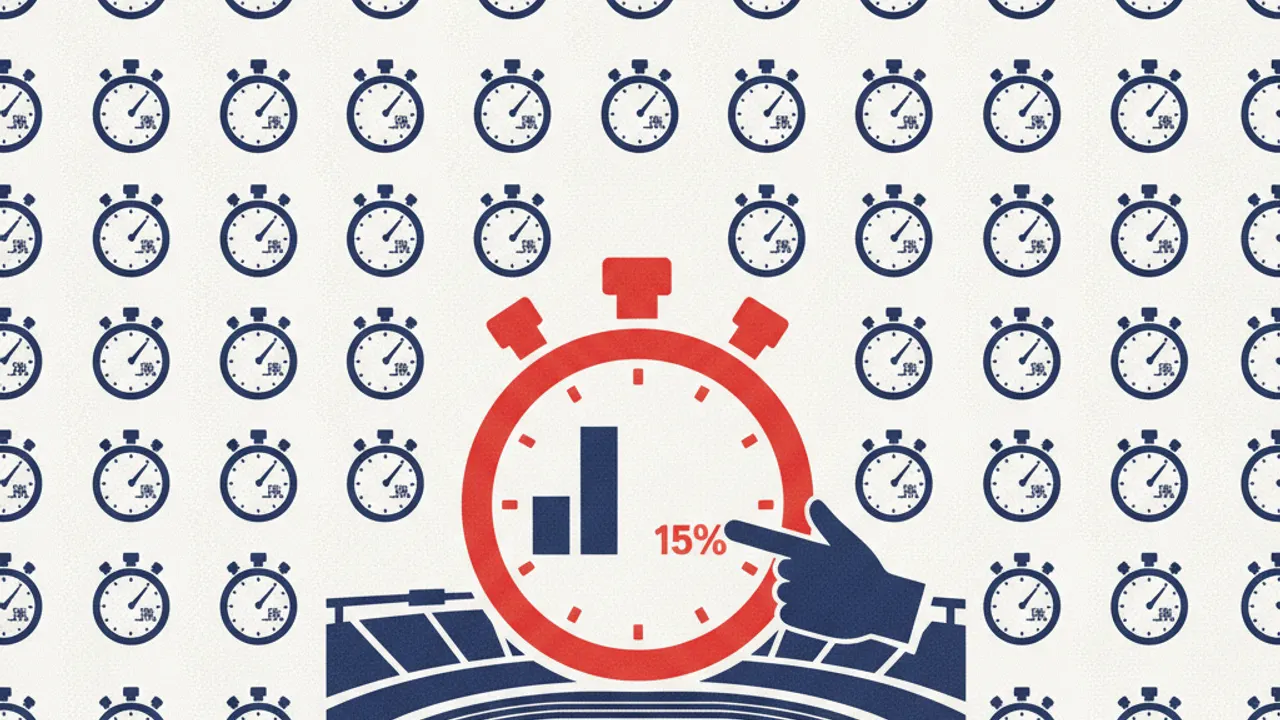
According to the report, enthusiasm for automated tools remains exceptionally high despite uncertain immediate payoffs. Fully 90 percent of the surveyed sports organizations anticipate that their reliance on artificial intelligence will expand further over the next two to three years. In addition, 79 percent of respondents confirmed that they raised their financial investments in AI systems over the preceding twelve months. However, when asked about concrete financial benefits, only 15 percent of all organizations could demonstrate a clearly measurable return on investment.
The disparity between expenditure and realized gains is visible across all tiers of competitive sports, though elite franchises perform slightly better. Within North American professional leagues, 17 percent of organizations reported verifiable economic returns on their software deployments. Meanwhile, collegiate athletic programs and international organizations recorded an even lower success rate, with only 14 percent achieving a documented return on investment. Despite deploying substantial capital into cutting-edge analytics, most athletic bodies are still struggling to translate algorithmic capabilities into measurable balance sheet improvements.
The core differentiator between profitable adoption and wasted expenditure lies in organizational integration rather than raw budget size. Sports entities that implemented a unified, enterprise-wide artificial intelligence roadmap achieved a positive return on investment in 37 percent of cases. In sharp contrast, departments that deployed tools independently in isolated silos registered measurable financial returns in just 2 percent of instances. Fragmented pilot projects in scouting, ticketing, or performance analysis frequently fail to create value because data and workflows remain disconnected across different business units.
A significant underlying driver of this coordination breakdown is the absence of dedicated leadership. The study established that almost half of all surveyed sports organizations have yet to designate a formal AI owner responsible for guiding implementation. Without centralized oversight, technological experiments proceed without unified standards, clear accountability, or long-term operational targets. Experts note that closing the profitability gap will require sports executives to treat algorithmic tools as fundamental structural assets rather than isolated departmental software subscriptions.
As sports entities plan their budgets for upcoming competitive seasons, the research indicates that organizational maturity must catch up to technical ambitions. Broad promises regarding predictive analytics and automated workflows risk falling flat unless management establishes cross-departmental data governance. The findings from Teamworks and Front Office Sports suggest that future competitive advantages will not belong to the clubs buying the most software licenses. Instead, sustained gains will favor the institutions that align their entire operational structure behind a disciplined digital strategy.