
Skip to content
AI ConnectPowered by VELENTIS
AI-generated3 min

Anthropic Study Unveils Deep Expectations Gap Over AI Automation and Labor Markets

A new study by Anthropic reveals a sharp divide: while AI insiders expect massive automation by 2030, the general public anticipates a far slower transformation of everyday work.

This article was AI-generated and published automatically. Context, labelling and all sources at the end of the article.

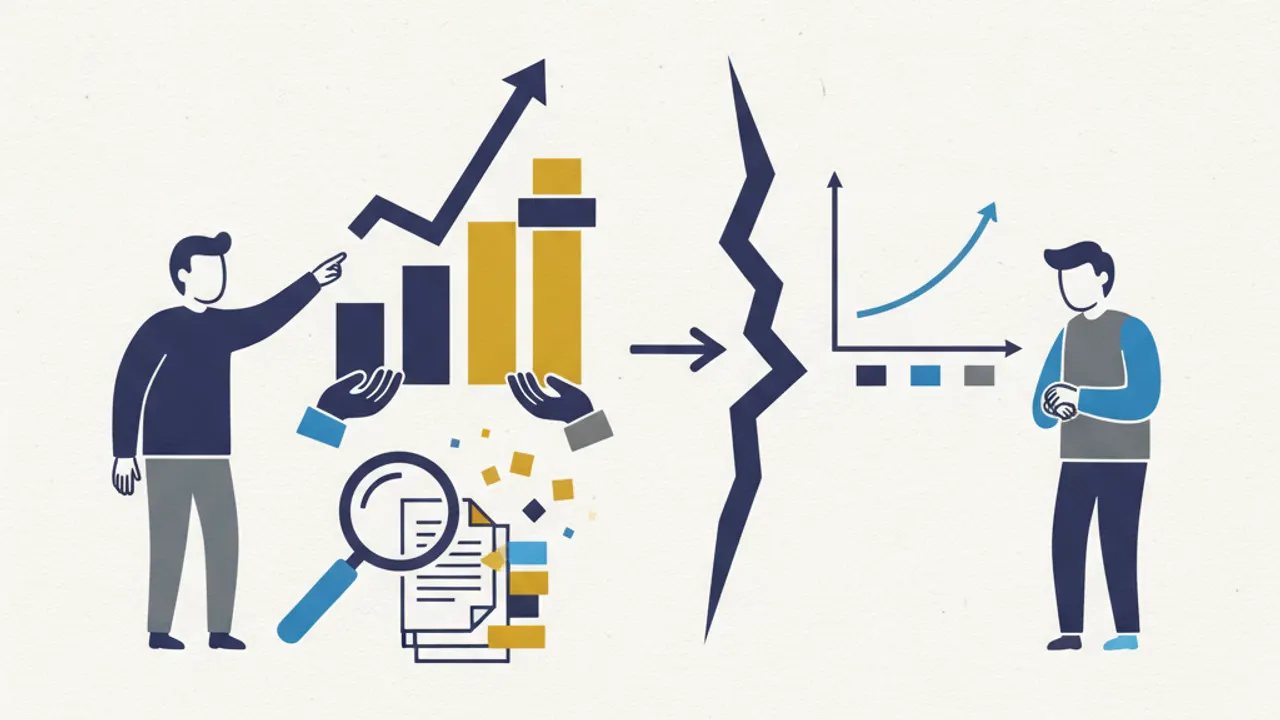
(KI-generiertes Symbolbild: Gemini / AI Connect)

On October 16, 2026, The Anthropic Institute released a dual research report titled 'The AI Expectations Gap'. Authored by Szymon Sacher, Charles I. Jones, Anton Korinek, Peter McCrory, and Nathan Wilmers, the study compared survey results from 10,980 representative US adults with an internal census of 1,334 Anthropic employees. The survey findings were matched against internal telemetry and productivity metrics tracking the lab's day-to-day operations. The resulting data highlights a vast divide between how frontline builders and the wider workforce perceive the pace of technological change.

The divergence is immediately apparent in current productivity experiences. Approximately 59 percent of Anthropic staff reported that AI allows them to complete specific workplace tasks in one-quarter of the baseline time or even faster. In contrast, only 26 percent of regular AI users across the broader US workforce experienced comparable speedups. Furthermore, 29 percent of regular workers reported that performing tasks with AI currently takes the same amount of time or longer. Among Anthropic's own technical staff, only 5 percent reported such friction.

Looking ahead to 2030, expectations diverge even more dramatically regarding job automation. Anthropic staff projected that automated systems will handle an average of 75 percent of their current work hours by the end of the decade. More than half of internal respondents anticipated that at least 80 percent of their responsibilities will be fully automated. In contrast, typical US workers estimated that only 28 percent of their own workload would be taken over by AI. Only 5 percent of the broader public believed that 80 percent or more of their work could be automated within that timeframe.

The accompanying workplace report documented the rapid shift toward agentic organizational structures inside Anthropic. Since March 2026, autonomous software agents have collectively logged more working hours than the lab's entire human workforce. By August 2026, the deployment expanded to an average ratio of six active software agents for every human employee. This operational shift demonstrates how autonomous tools are moving from experimental aids into the core engine of technical production.

As routine creation automated, the operational bottleneck within the company moved decisively from generation to oversight. Drafting documents, generating software code, and formulating analysis are no longer the primary constraints. Instead, during interactive sessions, Anthropic employees spent roughly 80 percent of their time reviewing, directing, and validating agent outputs. This dynamic, dubbed the human attention bottleneck, has established human judgment and error correction as the primary ceiling on output velocity.

Finally, these contrasting operational realities translate directly into macroeconomic forecasts. Both surveyed cohorts linked intensive corporate automation with downward pressure on employment, but their specific projections differed significantly. Anticipating widespread automation, Anthropic employees forecast a US unemployment rate above 12 percent by 2030. In contrast, the average US citizen anticipated an unemployment rate of around 8 percent. The findings underline that direct immersion in advanced agentic workflows fosters an outlook profoundly different from that of the general population.

What this means for you

The study indicates that immersion in advanced AI tools drastically reshapes expectations about the future of work. Professionals using frontier systems are already transitioning from direct creators into supervisors of autonomous software agents. Consequently, organizations must prepare for an operational environment where human verification and supervisory oversight become the decisive bottlenecks.

Perspectives

Coverage: 1× US · 2× Other

One story, several angles: how each source frames the topic, each with a verbatim quote.

Leaning: 1× Vendor PR

  • anthropic.comVendor PRUS

    Anthropic highlights that its staff expect much faster technological progress and far greater automation of their own work than the general public, while both groups view the link between automation and unemployment similarly.

    Original quote

    „The groups disagree on the path of future AI progress.“

    anthropic.com
  • explainx.aiOther

    Explainx.ai emphasizes the deep expectations gap between lab staff and the public regarding capabilities and automated work hours, attributing this disparity largely to differences in personal usage experience.

    Original quote

    „The core result: they largely agree on what AI can do today, but staff expect far faster progress.“

    explainx.ai
  • pro.edgex.exchangeOther

    EdgeX focuses on the divide between AI builders and the general public, emphasizing the drastic macroeconomic differences in forecasts for unemployment and GDP growth.

    Original quote

    „Anthropic staff forecast US unemployment above 12% by 2030, while US adults expect a rate near 8%.“

    pro.edgex.exchange

Source classification is maintained editorially (political spectrum only where consensus is broad; vendor communication is PR, not journalism). Unlabelled sources are unclassified: we do not guess.

Evidence

Well sourced
78/100
  • The Anthropic study relies on a representative survey of 10,980 US adults alongside an internal census of 1,334 Anthropic employees.

    verified
  • Anthropic employees expect an average of 75 percent of their work hours to be automated by 2030, compared to 28 percent expected by the average US worker.

    verified
  • Since March 2026, software agents at Anthropic have logged more total work hours than human staff, reaching a ratio of six agents per employee by August 2026.

    single source
  • Anthropic employees spend approximately 80 percent of their time in dialogue sessions reviewing and guiding agent outputs.

    verified

The evidence score is computed, not hand-set: from confidence, the number of sources and the share of verified statements.

Source & transparency

As of: October 19, 2026

AI-generatedAI-generated: produced automatically from vetted sources with technical quality checks (source, quote and figure verification); no human sign-off of each item before publication

Sources
3
Verified statements
3 / 4
Evidence score
78Well sourced

Want to put this into practice?

We connect you with suitable AI providers from the DACH region, free of charge and without obligation.

What's next?