
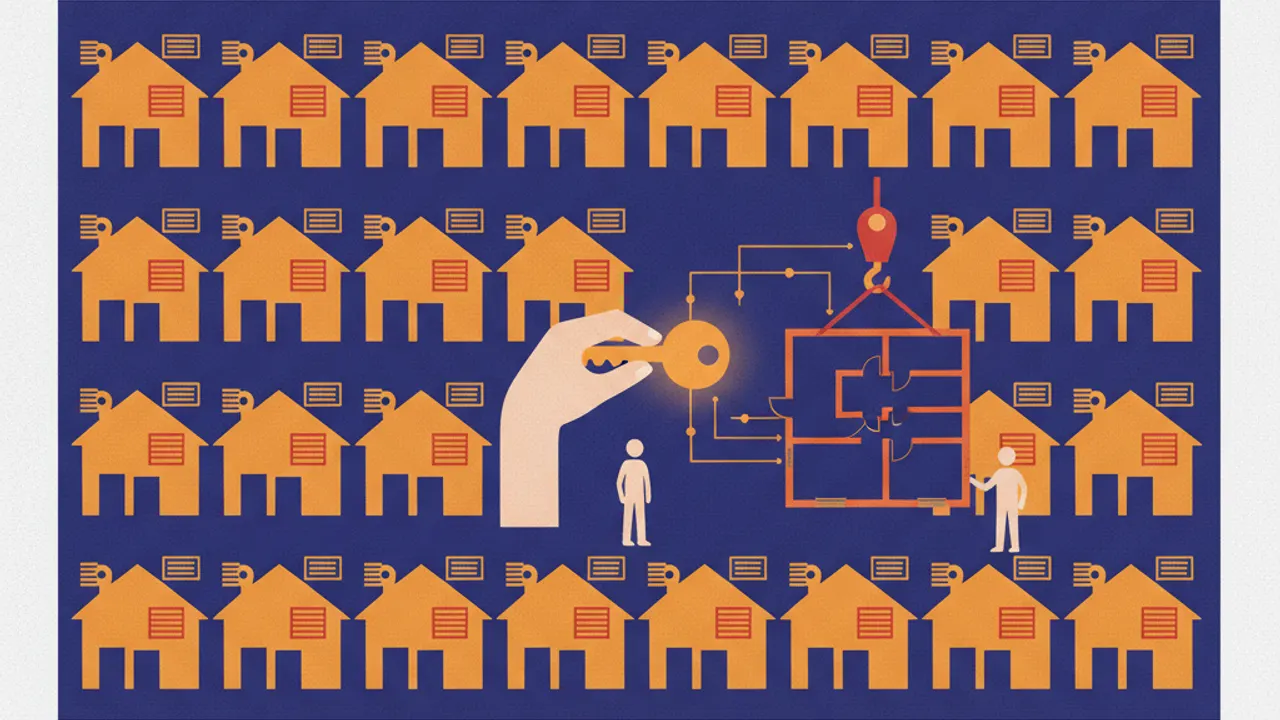
In the real estate sector, the technological debate is shifting from general-purpose language models toward targeted workflow automation. A new research report published by agency software provider Alto highlights a significant divide between basic adoption and deep integration into everyday brokerage operations. Surveying 250 real estate offices, the study presents a clear trend: while artificial intelligence has arrived in daily office routines, its application remains largely confined to drafting text and marketing collateral rather than transforming the actual deal pipeline.
According to the Alto report, 69 percent of surveyed estate agents now use AI tools on a regular basis. However, 85 percent of these active users restrict their activities to just four routine administrative tasks. Generating property descriptions tops the list, utilized by 67 percent of professionals, followed by general email correspondence at 53 percent. In addition, 37 percent rely on generative software for general administrative duties, while 35 percent employ it to draft social media marketing materials.
In contrast, higher-value and legally demanding steps in property transactions are almost entirely bypassed. Only 10 percent of agents use AI tools for property valuations, and just 5 percent deploy automated solutions for compliance checks. When it comes to sales progression, guiding contracts through completion, a mere 4 percent leverage algorithmic assistance. Alto warns in its report against treating AI merely as an expedited copywriting tool instead of using it to shorten transaction timelines and eliminate closing bottlenecks.
Specialized solutions designed to connect marketing workflows are already active in the market. On October 2, 2026, computer vision specialist Restb.ai and mobile scanning provider CubiCasa launched a direct workflow integration. The system analyzes mobile scans and property photos, automatically tagging features, verifying compliance with MLS listing requirements, and synchronizing visual assets with generated floor plans. Such integrations aim to eliminate hours of manual tagging and listing preparation for brokerage teams.
At the same time, venture capital and institutional funding are flowing into high-stakes automated finance applications. Texas-based proptech provider Homeward closed a combined 450 million dollar financing round on October 9, 2026, comprising 120 million dollars in equity and 330 million dollars in debt. Homeward uses instant valuation algorithms to power cash-backed financing and bridge loans in real time. Similarly, firms such as CarbonAI continue to raise capital to deploy autonomous agents that analyze loan files, rent rolls, and commercial tenant risks.
The hesitation among frontline agents mirrors broader structural hurdles across the property technology landscape. While institutional studies by firms such as JLL show automated valuation error margins falling toward 2.8 percent, very few organizations report reaching their full underwriting efficiency targets. The Alto survey demonstrates that real estate automation faces a translation problem: software is abundant, but deployment remains halted at the easiest tasks rather than reaching the core transaction.