
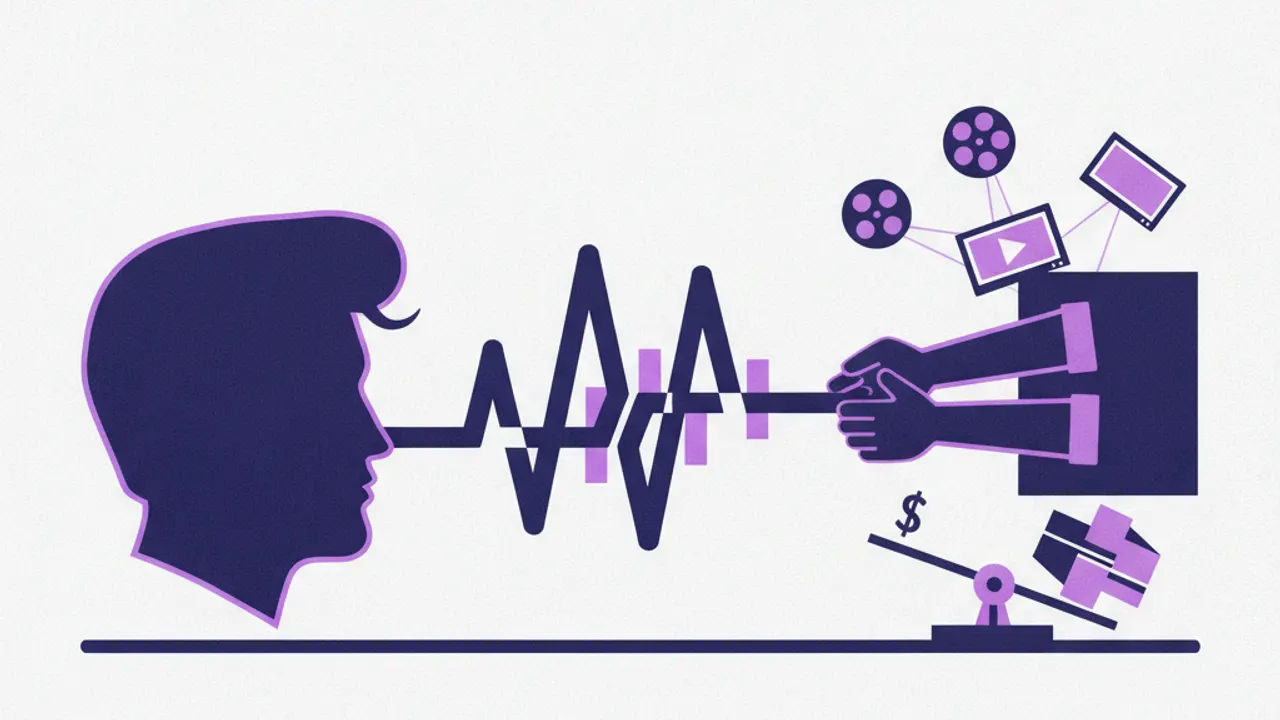
Authentic Brands Group, which oversees the intellectual property and musical estate of Elvis Presley, has filed a major federal copyright lawsuit against artificial intelligence developer Anthropic alongside associated rights holders. The complaint, lodged in US District Court, seeks more than $41 million in statutory damages. Anthropic is accused of copying and using protected lyrics and musical compositions from the legendary catalog without permission or licensing to train its flagship language model family, Claude.
The lawsuit specifically cites 274 classic songs associated with Presley, including enduring hits such as Can't Help Falling in Love, All Shook Up, and Don't Be Cruel. According to the court filing, Anthropic systematically scraped and processed these copyrighted lyrics to enhance the model's creative language capabilities, style imitation, and general coherence. Beyond the absence of valid licensing agreements, the estate alleges that Anthropic actively bypassed digital rights management protections and copyright notices to acquire the texts.
In terms of financial restitution, the plaintiffs are pursuing the statutory maximum under US copyright law, which allows up to $150,000 for each willfully infringed work. When applied to the 274 identified musical compositions, the demanded payout totals more than $41.1 million. The filing argues that Anthropic operated with full awareness of the infringement, leveraging the commercial value of Presley's iconic songwriting to bolster its commercial AI enterprise while bypassing the mandatory royalty payments owed to copyright owners.
This litigation represents a strategic shift in generative AI copyright battles. Prior prominent disputes in the music sector have largely been coordinated by trade associations like the Recording Industry Association of America or led collectively by major record corporations such as Universal and Sony. By contrast, Authentic Brands Group is acting as an independent legacy brand administrator, demonstrating that individual artist estates are now actively asserting their proprietary rights against uncompensated AI ingestion.
The complaint comes as legal scrutiny regarding the opacity of commercial training datasets reaches an unprecedented level across the tech landscape. As federal judges in related music tech cases increasingly mandate the disclosure of underlying training corpora and audit internal data practices, the broad fair use defense relied upon by AI vendors faces mounting skepticism. Plaintiffs argue that producing derivative text outputs capable of replicating iconic artists directly harms established commercial licensing markets.
A judgment favoring the Presley estate could establish a critical legal precedent for both AI developers and legacy copyright holders. If standard scraping practices are ruled outside the bounds of fair use, model builders will face immense financial liabilities for existing deployments and will be forced to negotiate explicit licensing arrangements for historical cultural datasets. Such an outcome would permanently alter the economic foundation of commercial model development.