
AI provider Cohere officially announced the second iteration of its enterprise platform, North 2, on October 5, 2026. The upgraded release is designed to provide businesses with a stable operational framework for deploying autonomous agents. At the heart of the system is an overhauled orchestration harness built specifically to manage and monitor multi-step agentic workflows across corporate systems.
A key capability introduced in North 2 is persistent, cross-session memory. This functionality allows autonomous agents to preserve critical context, operational state, and factual records across distinct user interactions. In addition, Cohere designed the architecture to be fully model-agnostic, enabling enterprise customers to integrate third-party models alongside Cohere's own foundation models.
The rollout aligns with mounting enterprise concerns regarding the operational predictability and financial hazards of autonomous agents. On October 3, 2026, open-source developer Simon Willison sparked an extensive industry discussion by warning that autonomous tools caught in execution loops routinely rack up thousands of dollars in cloud and API charges. Willison argued that providers must introduce default hard budget limits where systems automatically shut down, rather than relying on informational warning emails.
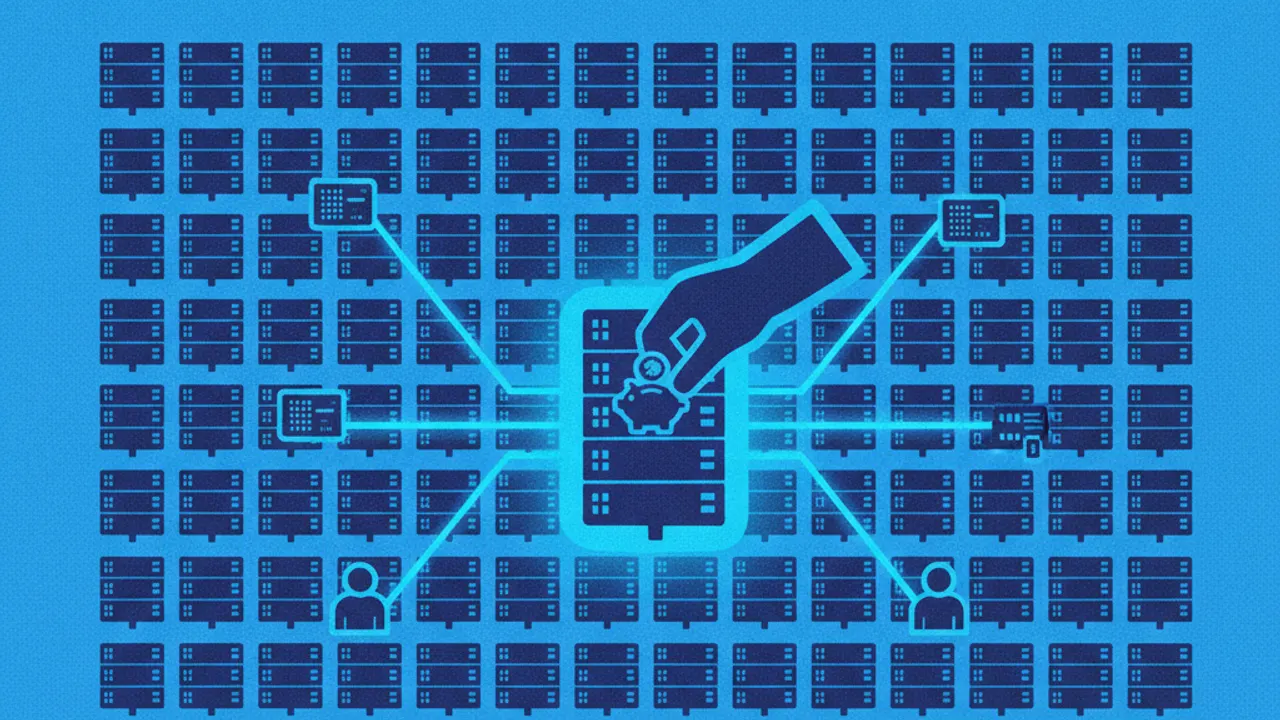
Cohere addresses these specific infrastructure risks through its governance console, North Admin. System administrators can configure rigid token spending caps that immediately terminate runaway processes before budgets are exceeded. The administrative suite also includes customizable rate limiting and granular role-based access permissions to ensure organizational control over internal agent operations.
To satisfy the compliance requirements of highly regulated industries, North 2 supports diverse deployment configurations. The platform can operate directly within standard cloud environments or run entirely within fully air-gapped environments disconnected from public networks. This architectural flexibility enables enterprises handling sensitive data to roll out autonomous agent tooling without compromising their internal security perimeters.