
Skip to content
AI ConnectPowered by VELENTIS
AI-generated1 min

German Cabinet Adopts Datacenter Strategy to Quadruple AI Compute Capacity by 2030

At its retreat in Schloss Neuhardenberg, the German government agreed on a national datacenter plan to expand compute capacity and prioritize industrial AI.

This article was AI-generated and published automatically. Context, labelling and all sources at the end of the article.

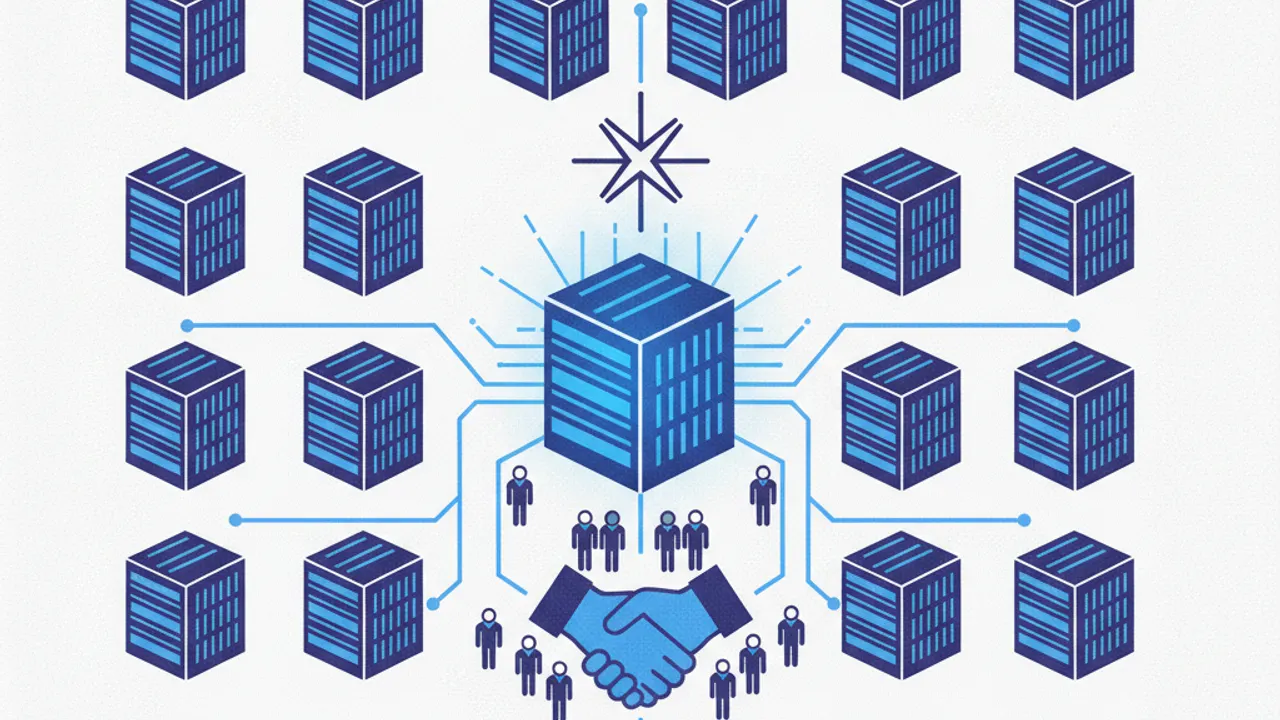
(KI-generiertes Symbolbild: Gemini / AI Connect)

During its cabinet retreat at Schloss Neuhardenberg on August 25, 2026, the German federal government focused its economic agenda on artificial intelligence. Facing intense global competition and rising infrastructure demands, ministers discussed targeted steps to position Germany as a resilient tech and industrial location.

The centerpiece of the decisions is a comprehensive national datacenter strategy. The plan aims to at least quadruple high-performance computing and dedicated AI compute capacities across Germany by 2030. Regulatory frameworks and planning procedures for modern facilities are slated for optimization to meet this expansion timeline.

Strategically, the federal government placed its primary emphasis on industrial AI. Germany is targeted to become the leading global hub for AI applications in production control, sensor systems, and industrial automation, effectively leveraging the country's manufacturing base to secure long-term value creation.

The cabinet invited external experts for the consultation, including Roland Busch, CEO of Siemens AG, and Aidan Gomez, CEO of AI enterprise Cohere. Both executives shared perspectives on practical deployment requirements across industry sectors and discussed key digital policy priorities with government officials.

In his address, Aidan Gomez underlined the urgency of digital sovereignty for the German economy. He highlighted the necessity of sovereign, private AI infrastructures for public authorities and mid-sized enterprises to limit structural dependencies on US hyperscalers while protecting sensitive proprietary data.

The decisions reached at Neuhardenberg mark a policy shift toward removing infrastructure bottlenecks and establishing a foundation for advanced industrial AI implementations across the domestic economy.

What this means for you

For enterprises and technical teams across the DACH region, the strategy points to a substantial expansion of localized compute resources by 2030. The clear focus on industrial AI offers industrial and automation firms enhanced opportunities for sovereign model deployment.

Evidence

Solidly sourced
67/100
  • The German federal government plans to at least quadruple HPC and AI compute capacities in Germany by 2030 under a national datacenter strategy.

    single source
  • Siemens CEO Roland Busch and Cohere CEO Aidan Gomez appeared as guest speakers at the cabinet retreat in Schloss Neuhardenberg on August 25, 2026.

    verified
  • Germany is set to be established as the leading global location for industrial AI in production control, sensor technology, and automation.

    single source
  • Cohere CEO Aidan Gomez called for private AI infrastructures for public administration and mid-sized businesses to reduce reliance on US hyperscalers.

    single source

The evidence score is computed, not hand-set: from confidence, the number of sources and the share of verified statements.

Source & transparency

As of: August 25, 2026

AI-generatedAI-generated: produced automatically from vetted sources with technical quality checks (source, quote and figure verification); no human sign-off of each item before publication

Sources
3
Verified statements
1 / 4
Evidence score
67Solidly sourced

Want to put this into practice?

We connect you with suitable AI providers from the DACH region, free of charge and without obligation.

What's next?