
Skip to content
AI ConnectPowered by VELENTIS
AI-generated1 min

AWS Highlights Four Bedrock Request Choices That Drive Inference Costs

AWS explains how four request-level settings affect Amazon Bedrock inference costs, showing how to test and verify their impact on token counts and applied billing rates.

This article was AI-generated and published automatically. Context, labelling and all sources at the end of the article.

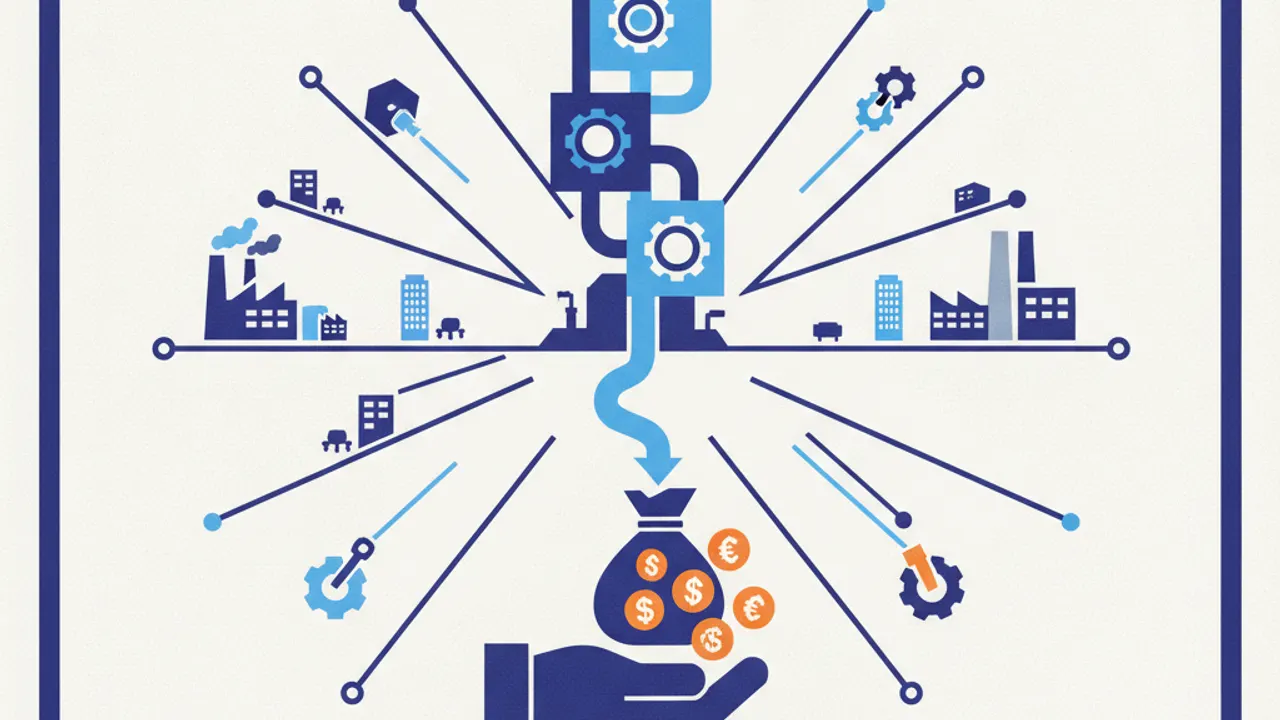
(KI-generiertes Symbolbild: Gemini / AI Connect)

AWS notes that expenses related to Amazon Bedrock can continue to rise unexpectedly. Organizations may see these increases even when development teams dedicate time to refining their setups. As AWS reports, "Your Amazon Bedrock inference bill can keep climbing even after you tune prompts and application logic."

The provider identifies specific call parameters that dictate these operational expenses. Specifically, "Four request-level choices (cache duration, service tier, reasoning effort, and maxTokens) change how many tokens the service processes and the rate applied." To address these financial factors, AWS detailed "how we tested each and how to verify the effect."

What this means for you

For organizations managing generative AI budgets, prompt engineering alone cannot guarantee cost predictability on Amazon Bedrock. Cloud architects must actively manage request-level configurations like cache duration and maxTokens to control both token throughput and service pricing tiers.

Evidence

Solidly sourced
46/100
  • Amazon Bedrock inference expenses can continue to climb despite prompt and application logic optimizations.

    single source
    Quote

    „Your Amazon Bedrock inference bill can keep climbing even after you tune prompts and application logic.“

  • AWS published testing procedures and methods to verify the effects of these four settings.

    single source
    Quote

    „We show how we tested each and how to verify the effect.“

The evidence score is computed, not hand-set: from confidence, the number of sources and the share of verified statements.

Source & transparency

As of: November 12, 2026

AI-generatedAI-generated: produced automatically from vetted sources with technical quality checks (source, quote and figure verification); no human sign-off of each item before publication

Sources
1
Verified statements
0 / 2
Evidence score
46Solidly sourced

Want to put this into practice?

We connect you with suitable AI providers from the DACH region, free of charge and without obligation.

What's next?