
Skip to content
AI ConnectPowered by VELENTIS
AI-generated2 min

Vatican Draws the Line on Generative AI: Pope Leo XIV Calls to Protect Human Art

In a major address, Pope Leo XIV defined an ontological line between human creation and generative AI, calling for an alliance between the Church and artists to safeguard human culture.

This article was AI-generated and published automatically. Context, labelling and all sources at the end of the article.

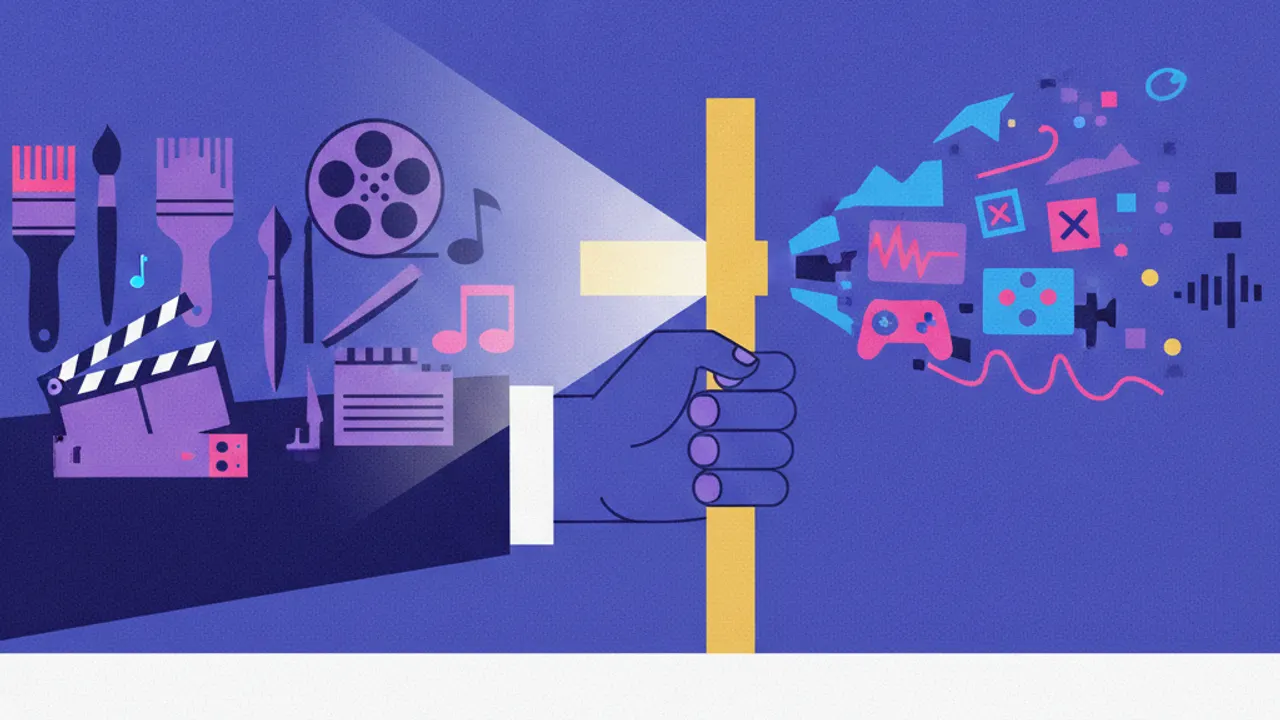
(KI-generiertes Symbolbild: Gemini / AI Connect)

On 2 October 2026, artists and curators gathered inside the Consistory Hall of the Vatican for the symposium titled 'The Art of Possibility: Weaving Together'. Amid growing tensions over synthetic production across creative industries, Pope Leo XIV seized this gathering to deliver a definitive philosophical keynote. Addressing the assembled cultural figures, the head of the Catholic Church took an uncompromising stance on behalf of human craftsmanship and positioned the Holy See as an active guardian of artistic integrity. The speech represents the Vatican's most direct and structured intervention to date regarding the role of generative tools in the arts.

The pontiff established a fundamental theological and philosophical boundary separating human creativity from algorithmically generated outputs. He asserted that an ontological difference, existing well prior to any aesthetic appraisal, separates genuine artistic creation from what modern algorithms compute. These generative systems merely calculate statistical probabilities derived from millions of third-party works scraped into massive datasets. Consequently, the Pope argued, computational outputs entirely lack the human spark that gives authentic creative works their singular spiritual and historical depth.

Rooting his remarks in his foundational encyclical, 'Magnifica Humanitas', Pope Leo XIV cautioned against the broader societal hazards of synthetic mass production. He explicitly warned against a creeping homogenization driven by automated search and generation engines that flatten diverse cultural traditions into standardized data patterns. In the Vatican's view, reducing art to mathematical optimization diminishes human dignity and threatens the unique voice of the individual creator. The pontiff stressed that cultural heritage cannot be preserved if original expression is replaced by automated statistical composites.

To resist these pressures, the Pope called for the formal establishment of a global alliance between the Church, independent artists, and established cultural institutions. This institutional coalition is intended to serve as a bulwark against the economic marginalization of human authors by technology conglomerates. Pope Leo XIV urged cultural organizations to vigorously defend unautomated creation and resist pressure to substitute human vision with cheaper synthetic alternatives. The initiative seeks to ensure that creators remain autonomous cultural leaders rather than unpaid training sources for commercial models.

The Vatican's intervention immediately reverberated through political corridors, particularly within the European regulatory sphere. As European institutions refine implementation guidelines for the EU AI Act, debates continue over mandatory transparency labels and potential exemptions for artistic works. The Pope's pronouncement provides significant ethical backing to those arguing that artistic carve-outs must not become convenient loopholes for corporate generative engines. By drawing an unyielding line between algorithmic generation and human authorship, Rome has introduced a powerful moral voice into ongoing legal negotiations.

What this means for you

For cultural workers and technology firms, the Vatican's intervention injects powerful ethical framing into the battle over training data and intellectual property. Denying synthetic media the status of genuine art provides strong political leverage for advocates demanding mandatory labeling and strict author protections under the EU AI Act.

Perspectives

Coverage: 1× US · 3× Other

One story, several angles: how each source frames the topic, each with a verbatim quote.

  • businessinsider.comUS

    Business Insider frames the papal criticism within the creative industry's struggle against generative AI, emphasizing the Catholic Church's defense of human creatives in contrast to tech corporations.

    Original quote

    „Pope Leo XIV panned AI-generated art during a meeting with artists and curators in Vatican City on Friday.“

    businessinsider.com
  • thenextweb.comOther

    The Next Web contrasts the papal appeal with EU AI Act labeling mandates, highlighting that statutory rules cannot enforce the ontological distinction he seeks in art.

    Original quote

    „Europe has legislated the label. The Pope is asking for the thing the label cannot prove.“

    thenextweb.com
  • ndtvprofit.comOther

    NDTV Profit situates the Pope's remarks within his broader Vatican agenda protecting human dignity amid unresolved controversies regarding copyright and AI training data.

    Original quote

    „The remarks come as AI image, music and video tools raise unresolved questions over originality“

    ndtvprofit.com
  • superpowerdaily.comOther

    Superpower Daily highlights the philosophical and theological dimension of the address, differentiating art as a human search for meaning from mere statistical calculation.

    Original quote

    „Art, he said, “does not proceed by indexing but by inquiry.”“

    superpowerdaily.com

Source classification is maintained editorially (political spectrum only where consensus is broad; vendor communication is PR, not journalism). Unlabelled sources are unclassified: we do not guess.

Evidence

Solidly sourced
62/100
  • Pope Leo XIV delivered an address at the 'The Art of Possibility: Weaving Together' conference in the Vatican Consistory Hall on 2 October 2026.

    single source
  • The Pope declared an ontological difference prior to an aesthetic one between true art and statistical algorithms, which lack the human spark.

    single source
  • Referencing his encyclical 'Magnifica Humanitas', Pope Leo XIV called for an alliance between Church, artists, and cultural institutions against homogenization by generation engines.

    single source
  • The papal remarks directly intersect with European debates over transparency rules and artistic exemptions within the EU AI Act.

    single source

The evidence score is computed, not hand-set: from confidence, the number of sources and the share of verified statements.

Source & transparency

As of: October 03, 2026

AI-generatedAI-generated: produced automatically from vetted sources with technical quality checks (source, quote and figure verification); no human sign-off of each item before publication

Sources
4
Verified statements
0 / 4
Evidence score
62Solidly sourced

Want to put this into practice?

We connect you with suitable AI providers from the DACH region, free of charge and without obligation.

What's next?