
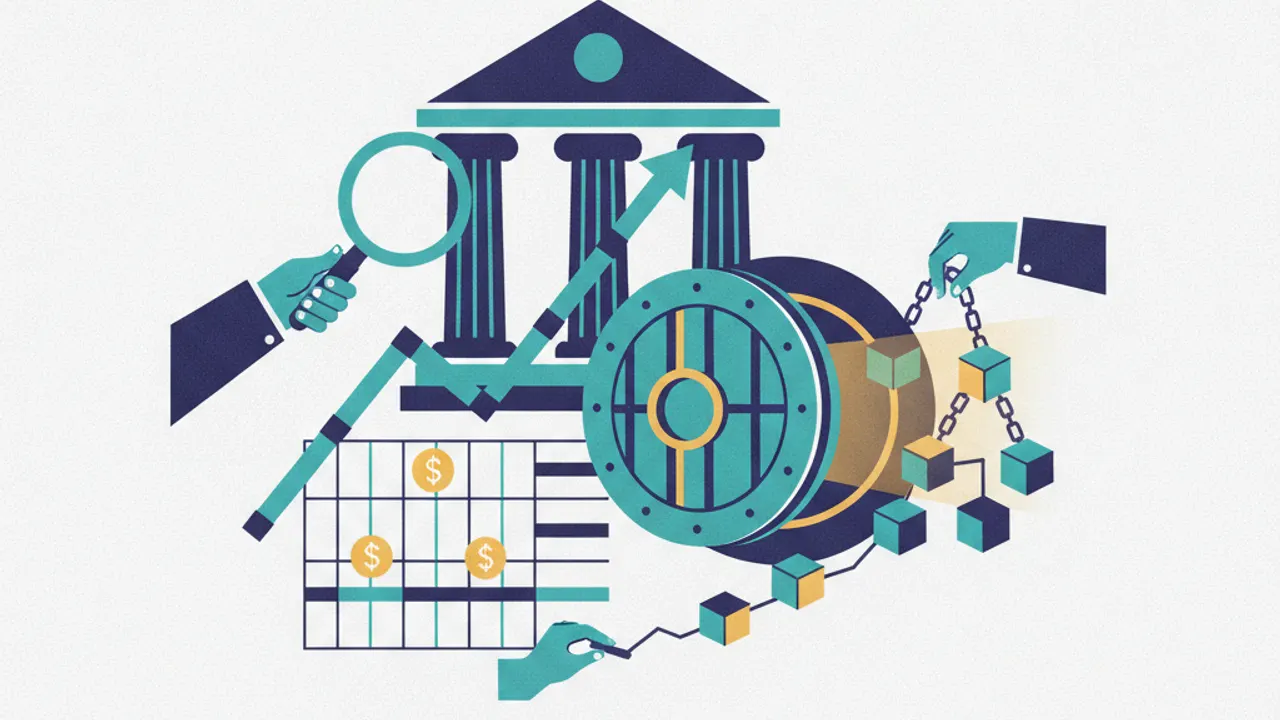
On August 12, 2026, legal experts and the Financial Industry Regulatory Authority (FINRA) clarified that established supervision and compliance standards apply in full to generative artificial intelligence and autonomous systems. Regulatory obligations under FINRA Rule 3110 for supervisory systems and FINRA Rule 2210 for communications with the public remain active without exceptions. These standards operate alongside the US Securities and Exchange Commission rules, notably Regulation S-P regarding privacy and Regulation Best Interest.
The focus of financial watchdogs is shifting decisively from high-level corporate policies to rigorous, verifiable proof. Broker-dealers and financial institutions can no longer rely solely on broad internal AI guidelines. Regulators now require firms to provide concrete evidence showing how generative models are monitored, audited and shielded from generating hallucinations or misleading outputs.
A primary concern involves autonomous AI agents capable of executing transaction or communication steps without individual human pre-approval. Financial institutions must demonstrate exactly how these autonomous systems operate, how safeguards are enforced, and how decision paths are reconstructed. Deficiencies in automated workflows and unverified execution paths are moving to the center of regulatory examinations.
Compliance specialists emphasize that enforcement risks now extend well beyond deceptive marketing or AI washing. Regulators are actively targeting operational gaps, including inadequate automated identity verification processes and incomplete audit trails. Under books-and-records mandates, firms must preserve full records of user prompts, system responses, and the surrounding operational context.
For banks and trading firms, this regulatory enforcement necessitates substantial upgrades to IT and compliance architectures. Deploying generative tools in client-facing or transaction-heavy environments requires dedicated archiving mechanisms capable of logging every automated interaction in real time. Without verifiable oversight and strict governance, institutions face severe administrative penalties and legal exposure.