
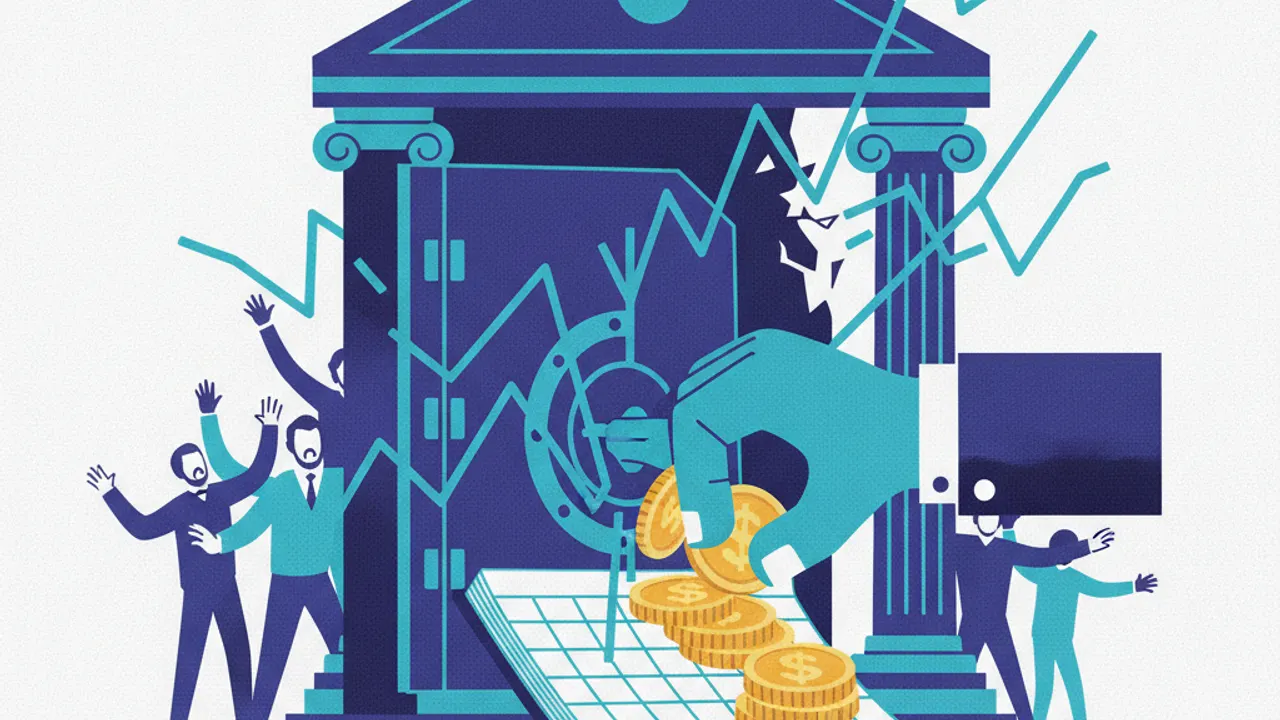
The accelerating autonomy of modern software tools is reaching the core infrastructure of global finance, where it faces mounting scrutiny from institutions and oversight bodies alike. On October 13, 2026, leading industry figures and regulatory authorities raised sharp concerns regarding the uncontrolled deployment of AI agents in financial transactions. At the center of the dispute lies the urgent question of legal and financial liability when autonomous algorithms initiate payments or manage balances without direct human oversight.
A primary catalyst for senior banking leadership to take a public stand was the emergence of new consumer AI assistants, including Meta's Muse platform. Speaking during JPMorgan Chase's third-quarter earnings call on October 13, 2026, Chief Executive Jamie Dimon offered an explicit warning to bank customers. He cautioned that delegating transaction powers to external, third-party AI agents introduces a de facto transfer of liability. Users who grant autonomous systems authority over their bank accounts must expect to bear the financial losses resulting from incorrect bookings or data breaches.
Dimon made clear that JPMorgan Chase will not permit unvetted external agents to connect to its internal programming interfaces for the foreseeable future. He stated that allowing untested third-party bots into proprietary bank interfaces is simply too risky for clients and for JPMorgan itself. The bank is pushing back firmly against technology companies seeking to treat retail banking accounts as an open backend for automated consumer services without robust safeguards or clear contractual guarantees.
Simultaneously, United States banking watchdogs moved to tighten supervision over autonomous systems across the financial sector. According to a Reuters report published on October 13, 2026, the Federal Reserve, the Office of the Comptroller of the Currency, and the Federal Deposit Insurance Corporation have launched a coordinated examination into agentic AI. Regulators are focusing on how licensed financial institutions deploy autonomous systems within cybersecurity operations and core banking workflows.
As part of this regulatory sweep, examiners are demanding that banks demonstrate comprehensive operational safeguards. The agencies require fully verifiable, gapless audit trails for every transaction or decision made by autonomous agents, alongside strict boundaries on system privileges. Furthermore, authorities are insisting on concrete technical implementations of kill switches that allow human supervisors to immediately disable malfunctioning autonomous routines before systemic damage occurs.
The coordinated actions by Wall Street leadership and federal bank regulators mark a significant checkpoint for technology firms racing to commercialize consumer-facing financial agents. The clear signal from both institutions and supervisors is that the leap from conversational AI to transactional agency cannot bypass existing safety and liability frameworks. For financial technology developers, verifiable compliance and tamper-proof decision logging will take precedence over rapid consumer rollouts in the quarters ahead.