
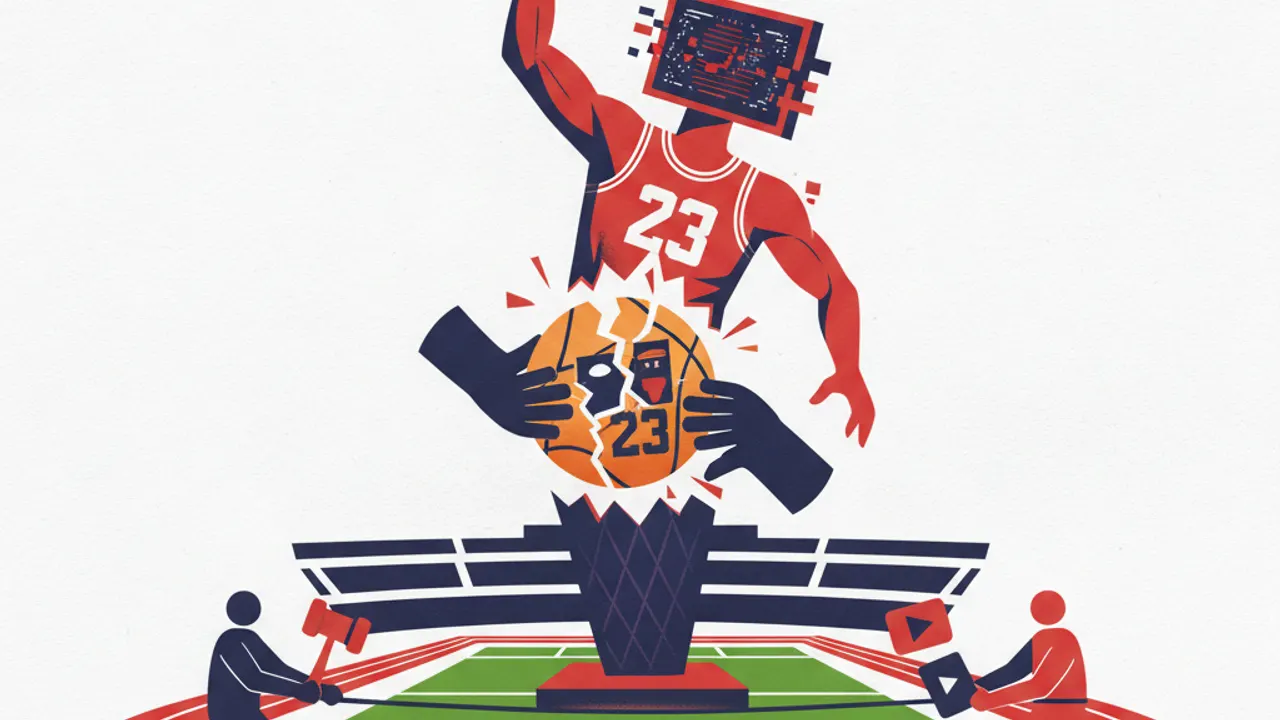
On November 17, 2026, NBA superstar LeBron James and his holding company, LBJ Trademarks LLC, filed a federal lawsuit in the U.S. District Court in Manhattan. The legal action directly targets startup PlayVision Inc. and its founders. The company had launched and marketed an artificial intelligence analytics and prediction app for sports betting under the brand name "Bron." In doing so, the startup exploited the global fame of the all-time basketball star to drive adoption and commercial visibility for its algorithmic betting software.
At the core of the complaint are promotional video campaigns distributed by the company across online platforms. To market the software, PlayVision deployed generative AI models to construct a photorealistic digital clone of the athlete. The synthetic replica incorporated James's exact facial features, distinctive tattoos and iconic number 23 jersey, accompanied by an AI-generated reproduction of his speaking voice. To ordinary viewers, the advertisements gave the clear and misleading impression that James personally endorsed the betting application and advised fans on sports wagers.
Beyond traditional trademark infringement and right of publicity violations, the lawsuit highlights severe sports integrity complications. Active players in the National Basketball Association are bound by strict league regulations that prohibit promoting sports gambling, particularly on NBA competitions. By fabricating an endorsement from James, the deepfake videos falsely suggested that an active superstar was violating league governance rules. The legal filing stresses that such synthetic fabrications threaten athlete reputations and risk triggering unmerited disciplinary scrutiny from league authorities.
Legal analysts view the Manhattan filing as one of the first major test cases testing Name, Image, and Likeness (NIL) protections for an active professional athlete against unauthorized generative AI commercialization. While Hollywood and entertainment unions have begun negotiating contractual boundaries for digital doubles, professional sports has largely lacked decisive judicial precedents regarding synthetic media ads. The lawsuit filed by LBJ Trademarks LLC aims to establish strict judicial liability and enforceable boundaries against startups deploying generative tools to exploit human identity.
The startup felt immediate pressure following the legal action. Promptly after the complaint was filed, PlayVision renamed the betting application and withdrew the disputed advertisements from circulation. Nevertheless, James and his holding company are seeking substantial financial damages and a permanent injunction to prevent any further commercial exploitation of his biometric features, name and likeness. The case in Manhattan signals that defending digital identity has become an urgent priority in professional sports, where generative models can effortlessly blur the line between genuine endorsements and unauthorized synthetic fakes.