
Skip to content
AI ConnectPowered by VELENTIS
AI-generated2 min

AI Revenue Gap Persists: Only 11 Percent See Sales Gains, HBR Study Finds

Despite surging investments in sales and marketing AI, a study by Harvard Business Review Analytic Services and Seismic reveals that only eleven percent of firms see measurable revenue gains.

This article was AI-generated and published automatically. Context, labelling and all sources at the end of the article.

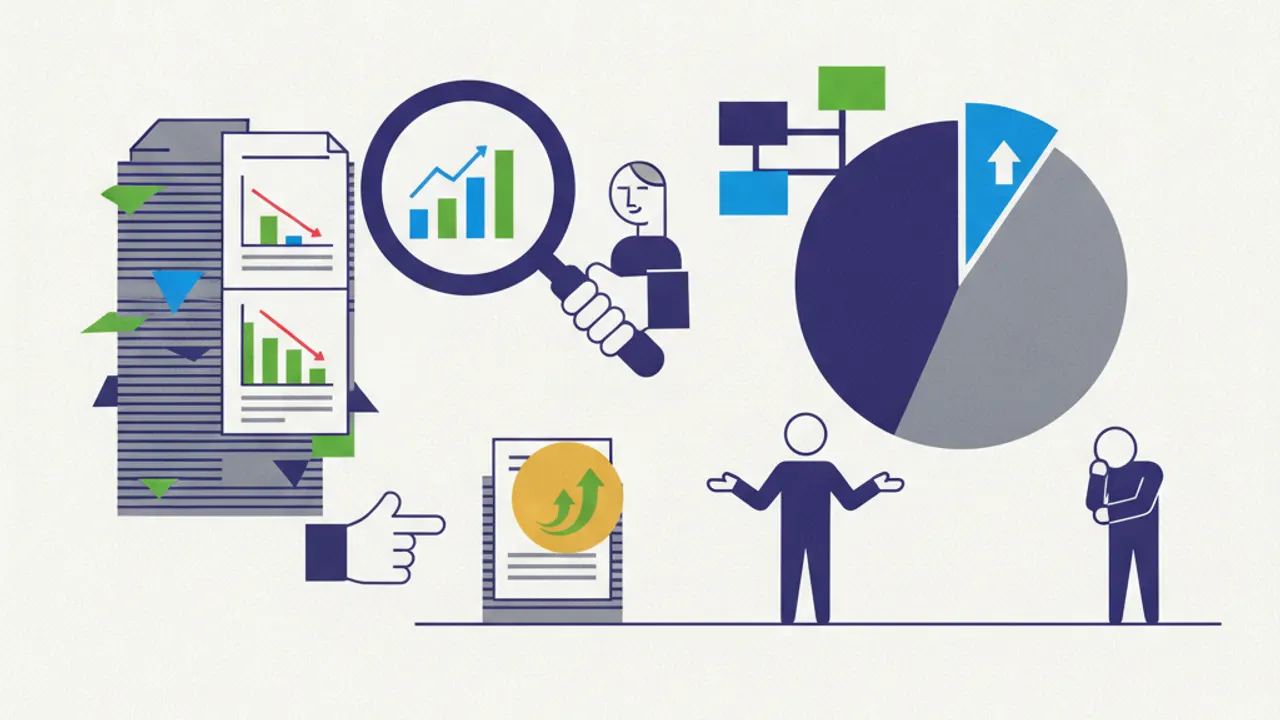
(KI-generiertes Symbolbild: Gemini / AI Connect)

Enterprises are pouring substantial capital into artificial intelligence tools across their sales and marketing units, but actual financial returns remain sparse. According to a research report by Harvard Business Review Analytic Services conducted in collaboration with Seismic, 75 percent of surveyed companies expanded their use of AI across revenue-generating teams over the past year. Yet, despite this rapid operational push, only 11 percent report measurable revenue growth or new revenue streams stemming directly from these technologies.

The report, titled 'Unlocking AI’s Revenue Potential', highlights a persistent divergence between workflow efficiency and actual commercial outcomes. While 52 percent of active users note tangible productivity and time savings in their day-to-day operations, organizations struggle to convert these process gains into closed deals. Saved hours frequently fail to translate into pipeline generation, leaving operational gains isolated within standard administrative routines.

Executive oversight is named as the primary roadblock to commercial realization. Forty-five percent of surveyed enterprise users cite the complete absence of an overarching corporate AI strategy as the main barrier to monetization. This observation aligns with recent enterprise risk findings from Gartner, which indicate that strategic miscalculations surrounding AI rollouts have climbed to the third spot among top emerging corporate risks globally.

Specialized applications, however, manage to deliver measurable results. The survey identifies revenue enablement as the single most effective operational niche, with 71 percent of active users in this area reporting moderate to significant commercial benefits. These teams use automated solutions to streamline onboarding, improve deal-specific collateral, and analyze customer engagement data.

The disconnect between software adoption and business value is further complicated by uneven workforce integration. Recent labor market data from DIW Berlin indicates that only 12 percent of employees in Germany use AI tools extensively in their regular work routines, while nearly 48 percent have had no workplace contact with the technology at all. Without broader workforce readiness and targeted execution, productivity tools will continue to face steep challenges in delivering measurable bottom-line growth.

What this means for you

For commercial leaders, the data reveals that rolling out AI without redesigning the underlying sales pipeline fails to drive revenue. Companies must shift their focus from superficial efficiency metrics toward clear monetization goals and structured employee enablement.

Perspectives

Coverage: 3× Other

One story, several angles: how each source frames the topic, each with a verbatim quote.

  • natlawreview.comOther

    The source highlights the disconnect between surging AI adoption across go-to-market teams and lagging revenue gains, emphasizing the need for strategic clarity.

    Original quote

    „only 11% report increased revenue or new revenue streams from AI.“

    natlawreview.com
  • seismic.comOther

    The press release emphasizes the untapped potential of AI for driving revenue growth and stresses the critical role of governance and human judgment.

    Original quote

    „HBR Report: KI-Einsatz in GTM-Teams steigt rasant, Umsatzeffekte bleiben zurück“

    seismic.com
  • martechedge.comOther

    The article focuses on how productivity gains from AI fail to translate into commercial revenue largely due to the absence of clear organizational strategies.

    Original quote

    „The difference between AI adoption and financial outcomes remains substantial.“

    martechedge.com

Source classification is maintained editorially (political spectrum only where consensus is broad; vendor communication is PR, not journalism). Unlabelled sources are unclassified: we do not guess.

Evidence

Well sourced
83/100

The evidence score is computed, not hand-set: from confidence, the number of sources and the share of verified statements.

Source & transparency

As of: November 06, 2026

AI-generatedAI-generated: produced automatically from vetted sources with technical quality checks (source, quote and figure verification); no human sign-off of each item before publication

Sources
3
Verified statements
4 / 4
Evidence score
83Well sourced

Want to put this into practice?

We connect you with suitable AI providers from the DACH region, free of charge and without obligation.

What's next?