
On October 1, 2026, Tavus Chief Executive Officer Hassaan Raza officially unveiled Griffin, a new artificial intelligence system designed for direct real-time communication. The platform is categorized as a complete Human Interaction Model, aiming to overhaul how synthetic characters converse with people. Rather than relying on fragmented processing pipelines, the system functions as a direct video-to-video architecture. This design allows digital avatars to respond without noticeable latency, maintaining an uninterrupted conversational flow. The announcement represents a major departure from earlier, sequential techniques used across the synthetic media landscape.
Prior approaches to digital avatars and synchronized facial animation suffered from considerable delays caused by modular software chains. In standard setups, human speech had to be converted into text through a dedicated speech-to-text model. A large language model then generated the conceptual reply, which was passed to a text-to-speech engine to produce synthetic audio. Finally, a separate visual rendering system animated the facial expressions and lip movements to match the voice. Each intermediate step accumulated processing time, routinely creating multi-second pauses that shattered the illusion of a natural dialogue.
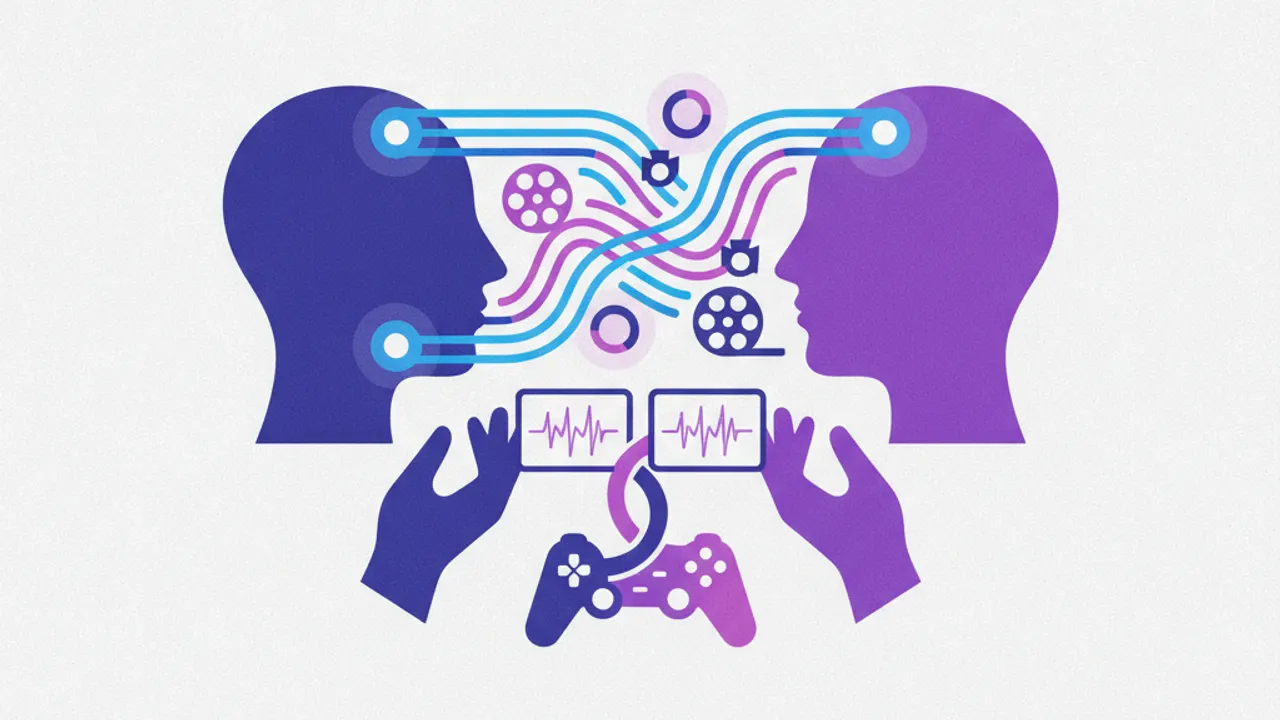
Griffin bypasses this bottleneck by integrating visual data, voice audio, facial expressions, and emotional cues into a single continuous video-to-video stream. This cohesive architecture enables genuine full-duplex communication, allowing both participants to speak and react simultaneously. If a human speaker interrupts mid-sentence, the model can instantly adjust its output and yield the floor. In addition, the digital persona can insert natural vocal interjections or convey attentive engagement through silent nodding. By capturing these behavioral subtleties, the system mirrors the spontaneous rhythm of real-world interactions.
The capabilities of the architecture were verified across targeted user trials and established technical benchmarks. During one-minute video calls, 48 percent of human participants believed they were interacting with a real person rather than an artificial system. The model also demonstrated strong results on standardized audiovisual evaluations. On Nvidia's VideoFDB benchmark, Griffin achieved an overall score of 3.83 out of 5 points. For comparison, the recorded human reference benchmark in the exact same testing environment stands at 3.92 points, underscoring the narrow performance margin between the system and real people.
These technical milestones create substantial opportunities across the entertainment and gaming sectors. Video game developers can transition away from scripted dialogue trees, deploying non-player characters and companions that react directly to player input in real time. In cinematic production, the framework supports the creation of digital doubles and interactive filmmaking formats. Studio teams can deploy live synthetic performers capable of responding organically to human co-stars or audience prompts, replacing static pre-rendered visual assets.
The transition from precomputed animations to real-time interactive actors represents a fundamental evolution in virtual production workflows. By removing the need to render every potential conversational branch in advance, production houses can integrate responsive synthetic personas directly into dynamic creative environments. This paradigm shift bridges traditional filmmaking with interactive storytelling, allowing stories to adapt on the fly. Griffin demonstrates how generative video models are beginning to conquer latency challenges that previously prevented realistic face-to-face interaction with digital entities.