
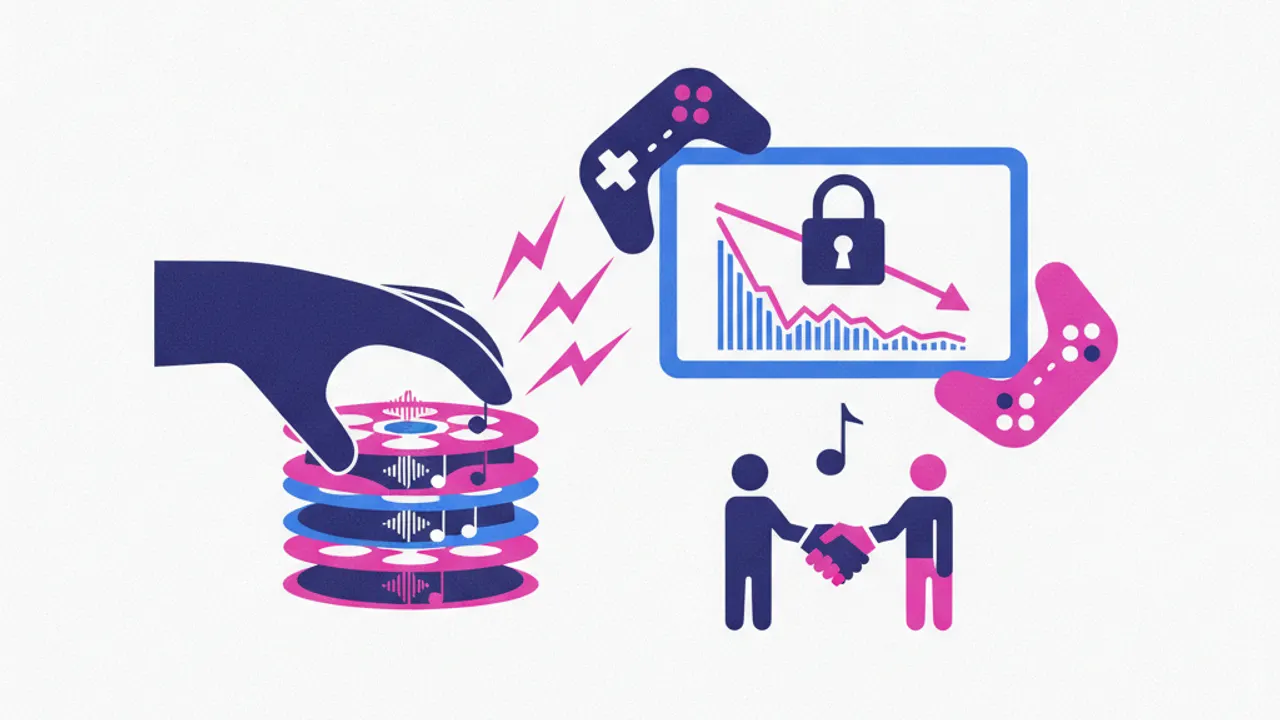
AI music generator Suno fundamentally overhauled its terms of service on September 3, 2026, putting strict download caps into effect across all subscription tiers. Paying subscribers on the Pro tier are now capped at 20 downloads per month, while Premier subscribers face a limit of 60 monthly downloads. Free account holders are restricted to just seven lifetime downloads intended exclusively for non-commercial, private use. This move terminates the era of unrestricted file retrieval and marks a significant turning point for the platform.
The most impactful change directly alters the licensing framework governing generated audio tracks. Commercial exploitation rights no longer attach automatically at the moment of audio generation on Suno servers. Instead, commercial rights are now explicitly tied to the actual, metered download of each specific file. Once users exhaust their allocated monthly allowance, they can still audition newly generated compositions within the platform, but they cannot legally export or commercialize them.
Suno is responding directly to fierce pressure from the traditional music industry, which had accused generative audio platforms of enabling streaming fraud at scale. Bad actors previously leveraged bulk generation to download tens of thousands of synthetic tracks, distributing them to digital streaming services to siphon royalties via automated bots. The newly enacted download ceilings are engineered to disrupt these bulk extraction pipelines and halt the uncontrolled influx of synthetic audio into streaming ecosystems.
In addition to volume quotas, Suno is activating mandatory acoustic watermarking and cryptographic fingerprinting across all downloads. Every exported audio track will contain inaudible markers that enable tracing back to the generating platform. This technical infrastructure assists streaming platforms and rights organizations in immediately cataloging and tracking synthetic material. By rolling out provenance tracking, the company is meeting a core demand from entertainment majors seeking verifiable content origin.
Concurrently with these functional curbs, Suno finalized its first global licensing and royalty agreement with major publisher BMG. The partnership demonstrates a strategic pivot toward reconciliation with legacy music firms following months of copyright tension. Under the terms, BMG intends to secure revenue participation for authors and composers, while Suno establishes a more defensible legal posture. The agreement may serve as an industry blueprint for collective licensing agreements involving commercial generative audio tools.
For independent creators, commercial producers and media agencies, these revised rules significantly reshape daily production routines. Rapid prototyping and indiscriminate exporting of audio variations for video, podcasts, or advertising campaigns will now require careful rationing. Creators must critically curate which iterations deserve to be finalized as official commercial downloads. The era of frictionless, high-volume generation on the platform has firmly come to an end.