
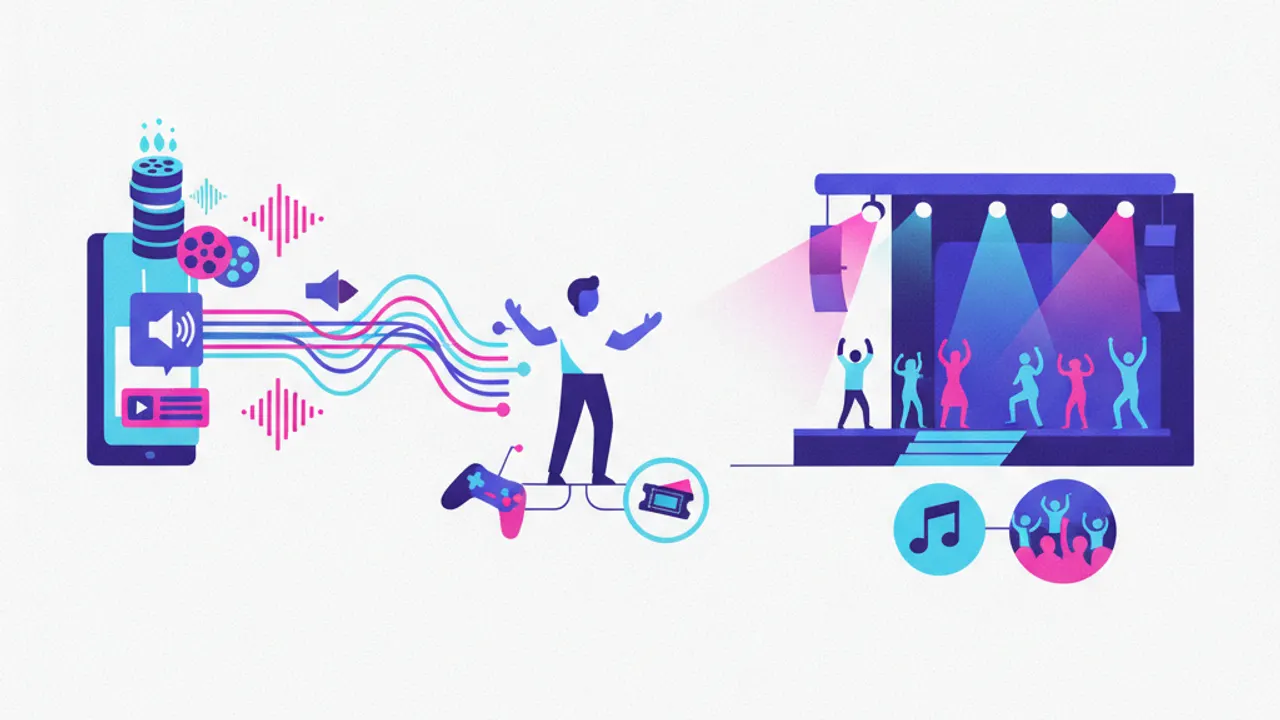
AI music generator Suno is taking a major step beyond digital streams and directly into the physical event industry. The company announced the launch of a dedicated division named Live Experiences to bring computer-generated music into real-world concert venues. This move represents an answer to growing commercial pressure to monetize synthetic musical compositions beyond streaming platforms and brief online clips. For the global music and concert business, the initiative signals a new phase where software models are no longer confined to generating sound drafts, but are aimed at filling physical halls.
To direct this ambitious live strategy, Suno recruited senior leadership straight from the heart of the traditional live entertainment business. The company appointed Michael Chua, formerly the global vice president of business development at Ticketmaster and parent company Live Nation, to lead the new unit. This appointment demonstrates that the artificial intelligence venture is not merely interested in niche technological showcases, but intends to mount fully realized commercial tours and large-scale public events. With Chua's extensive industry background and connections, Suno gains immediate access to established booking agencies, promoters, and ticketing networks.
A foundational pillar of the newly established division is the concert discovery platform Songkick, which was previously acquired by Suno and is now closely integrated into the live strategy. By leveraging Songkick's widespread infrastructure for tour tracking, local show discovery, and ticket sales, Suno aims to connect computer-generated musical acts directly with real audiences. The ultimate goal is to translate purely digital artists and algorithmic songs into tangible touring productions and fan interactions. This integrated pipeline allows the company to oversee the entire creative and commercial lifecycle, from the initial prompt generation to physical door admissions.
This live expansion represents an incursion into the core territory of legacy music promoters, talent agencies, and traditional record labels. For decades, the modern music industry relied on live performance revenues to offset dwindling physical sales and relatively low streaming royalty distributions. If synthetic acts and algorithmic music projects begin selling tickets and filling venues, established revenue streams for human performers will face unprecedented pressure. At the same time, this strategic shift opens a brand-new commercial market for interactive entertainment at the crossroads of artificial intelligence and live event production.
Yet as Suno prepares its assault on physical concert halls, a notable counter-reaction is already taking shape across the global music market. In response to the accelerating flood of machine-generated songs and synthesized voices, audiences are turning toward unvarnished acoustic music in large numbers. International record charts, notably the Billboard Top 10, are recording a sharp surge in demand for unmanipulated singer-songwriter and acoustic arrangements. The uppermost chart positions are increasingly occupied by artists who rely strictly on untouched vocal performances and organic guitar instrumentation.
This notable shift in listener preferences is prompting consumers to seek concrete verification regarding the authenticity of the recordings they stream and buy. Music fans are actively looking for transparent assurances that new tracks were performed, recorded, and mixed without generative AI tools or vocal transformers. The parallel rise of Suno's live entertainment ambitions and the renewed cultural appetite for organic instrumentation underscores deep structural tensions across the industry. Whether synthetic performers can successfully pack concert venues while audiences actively celebrate human musicianship will be a decisive question for the future of entertainment.