
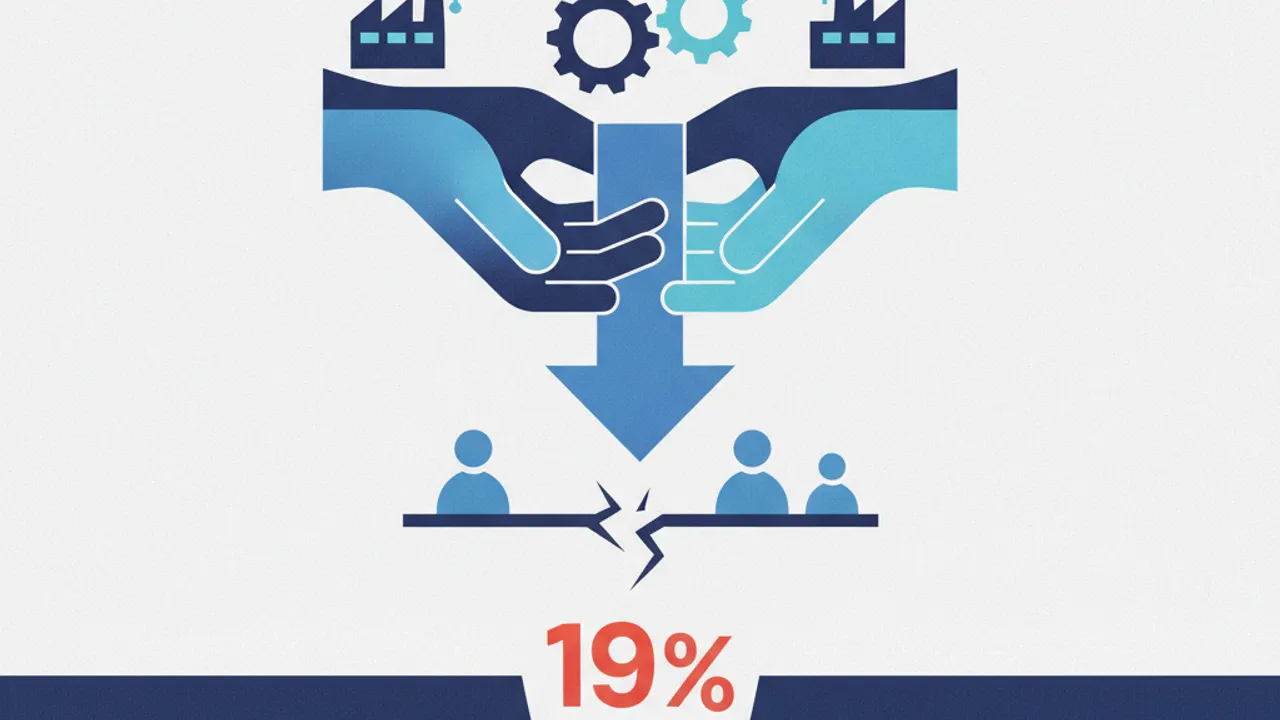
A profound structural shift is emerging in the German-speaking labor market, hitting young professionals the hardest. An update released in late August 2026 by the Stanford Digital Economy Lab reveals that the hiring and employment gap for workers aged 22 to 25 in highly AI-exposed fields has widened to 19 percent. Junior software developers, market analysts and financial controllers are among the primary groups facing this barrier, as routine tasks that once formed the core of entry-level roles disappear.
Workforce reductions are not unfolding through headline-grabbing mass layoffs, but rather through a quiet hiring freeze on junior positions. Companies increasingly choose not to fill vacant entry-level slots while keeping senior teams intact. Routine and preparatory tasks that traditionally served as learning opportunities for graduates are now being transferred directly to automated agent pipelines.
At the same time, public institutions are accelerating the deployment of such systems. The German Federal Ministry for Digital and State Modernization launched the second phase of its Agentic AI Hub initiative in late August. This funding round is designed to match mature multi-agent systems from specialized startups directly with public administrative processes and municipal operations to automate bureaucracy.
Small and medium-sized enterprises are also realigning their technological architecture. At the SME Day Rhineland-Palatinate held in Idar-Oberstein in late August 2026, industry leaders and regional policymakers signaled a clear transition away from basic chat assistants toward edge-capable AI agents. Local processing is seen as vital for maintaining data sovereignty, mitigating reliance on US cloud hyperscalers and protecting proprietary manufacturing IP.
Compliance requirements are compounding operational friction across the corporate landscape following the August 2026 deadline for transparency mandates under Article 50 of the EU AI Act. Small and medium businesses alongside craft enterprises must now meet strict labeling rules for generative systems and customer interactions. Standardizing disclosures for autonomous agentic workflows continues to present considerable legal uncertainties.