
The renowned American independent film festival Slamdance officially confirmed its programming guidelines for the upcoming February 2027 edition following the close of its October 2026 submission period. The announcement establishes clear, binding rules for how generative artificial intelligence will be integrated into the independent film ecosystem. Rather than relegating algorithmic productions to isolated experimental sidebars, the festival has decided to integrate them directly into its regular lineup. Works created using generative systems will now compete on equal footing with conventionally produced projects. This strategic decision marks an important milestone as generative tools become increasingly standard across creative media pipelines.
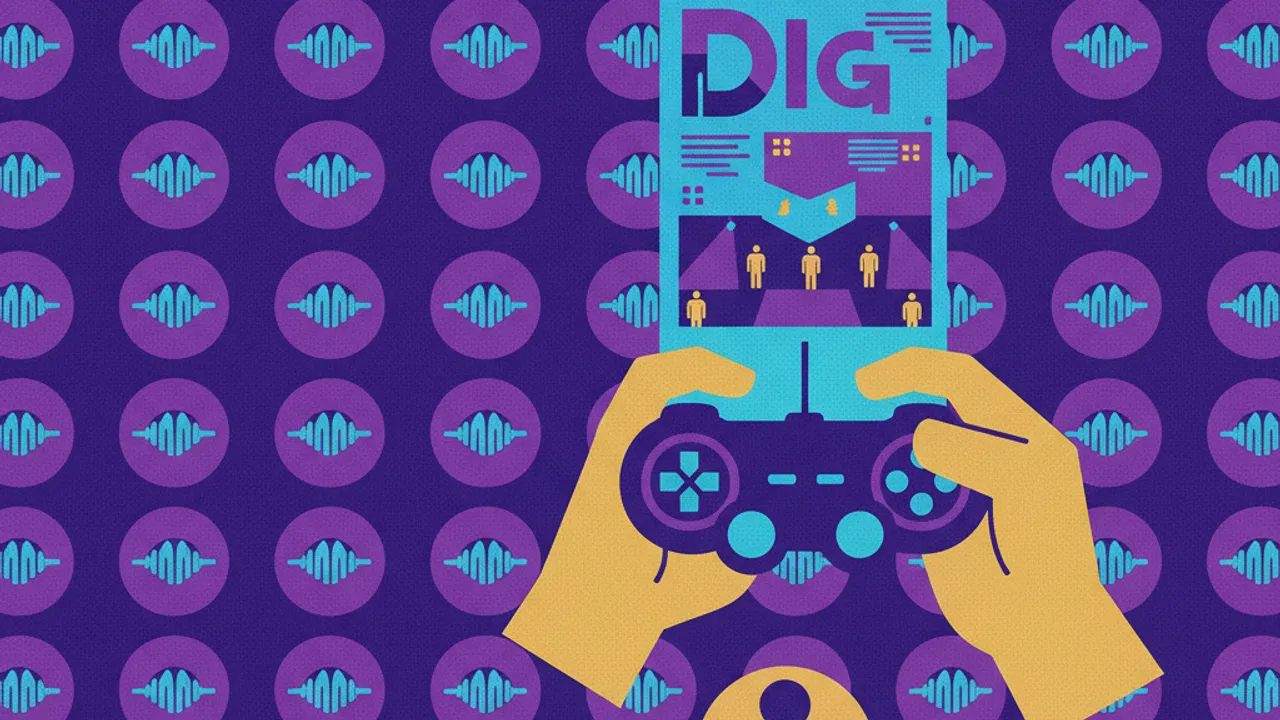
The new policy specifically applies to the festival's established Digital, Interactive and Gaming section, known as DIG. Under the updated framework, AI-generated films, interactive video games and dynamic music installations will be curated alongside one another without technological discrimination. Slamdance intentionally avoids setting up an isolated novelty category for computational art, choosing instead to evaluate submissions purely on narrative and artistic merit. The curators emphasize that technical tools must remain subordinate to the creator's underlying vision and thematic depth. By opening the DIG track to diverse algorithmic formats, the festival aims to provide a legitimate platform for boundary-pushing independent creators.
A striking element of the updated regulations is the total absence of mandatory tool disclosures for submitting artists. Filmmakers and developers are not required to provide technical logs detailing the specific models, diffusion engines or prompt libraries used during production. The festival leadership explicitly determined that cataloging individual software pipelines or algorithmic parameters does not contribute to the evaluation of creative storytelling. For Slamdance, the completed artwork stands on its own artistic merits, rendering granular technological declarations unnecessary. This stands in sharp contrast to ongoing industry discussions that demand exhaustive labeling for every synthetic asset or algorithmic assistance.
While Slamdance grants complete artistic freedom regarding production tools, it imposes strict requirements concerning legal integrity. The festival mandates that creators provide seamless proof of all copyright and licensing rights for their underlying input data and training sets. Anyone utilizing generative systems to produce visual, sonic or textual assets must conclusively demonstrate that all source materials were legally acquired or properly cleared. Submissions lacking verifiable data provenance or relying on unauthorized materials face immediate disqualification from the February event. Through this policy, Slamdance places direct legal responsibility on filmmakers while safeguarding original intellectual property rights.
The confirmation of these guidelines during calendar week 42 of 2026 illustrates a maturing entertainment sector. Purely philosophical debates surrounding the validity of synthetic art are now transitioning into concrete compliance mechanisms and institutional governance. As independent film festivals acknowledge the reality of generative production workflows, the primary focus has decisively shifted toward IP protection and transparent sourcing. For independent directors and digital artists, Slamdance establishes a clear precedent for navigating professional distribution in this new technological era. This balance between technical freedom and rigorous copyright verification may soon serve as a blueprint for film festivals worldwide.