
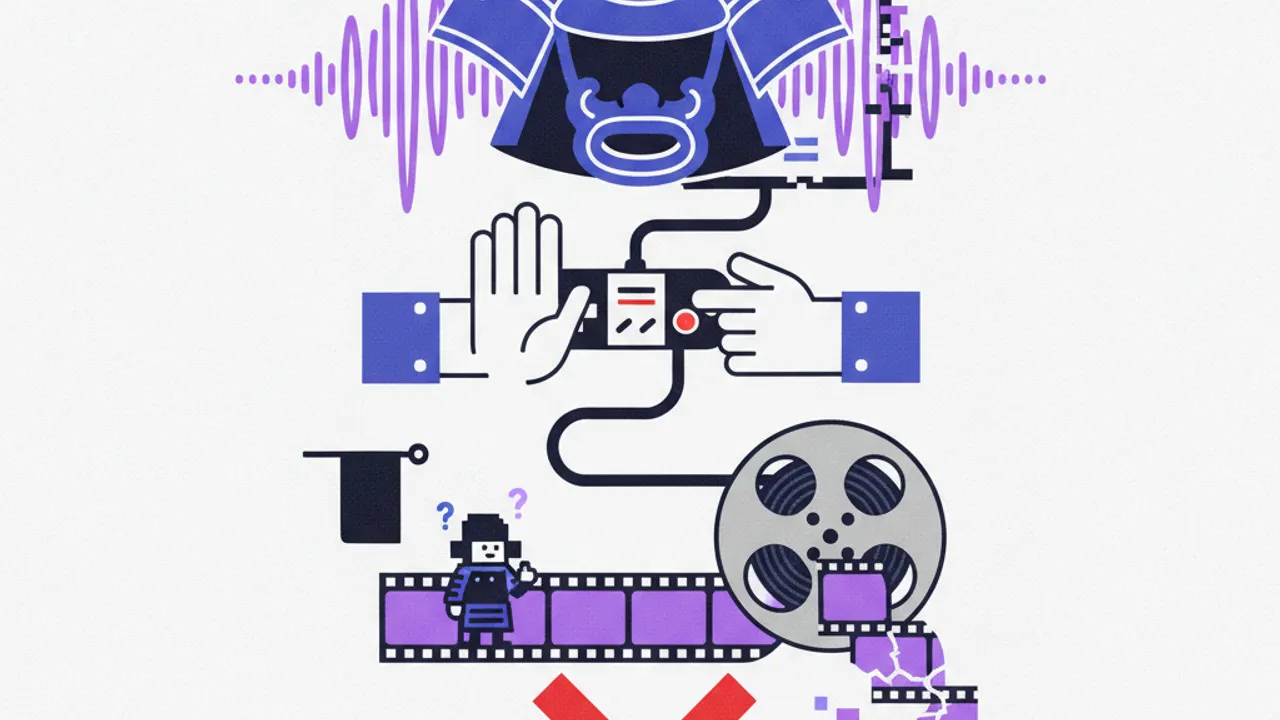
The release of a revised edition was supposed to be a highlight for strategy fans, but it quickly turned into an undeniable public relations crisis for Sega and developer Creative Assembly. On October 13, 2026, the publisher launched the Complete Edition of the acclaimed classic Total War: Shogun 2, developed in collaboration with partner studio Mataboo. Instead of receiving polished visual enhancements, players encountered a product that triggered immediate outrage across the gaming community. Within only 24 hours of launch, the game's user review rating on Steam plummeted below 18 percent, officially earning an Overwhelmingly Negative badge.
At the center of the backlash was the flawed visual restoration of the historical setting. When upgrading the game's unit cards to 4K resolution, the production team relied heavily on uncontrolled generative AI upscaling techniques. The results featured typical synthesis artifacts that the gaming public has grown increasingly sensitive to. Players quickly documented numerous glaring errors, including samurai warriors depicted with six fingers, melted armor textures, distorted ship contours, and deformed facial features. These unaddressed glitches pointed directly to a lack of rigorous human quality control prior to shipping the title.
Compounding the disappointment was an alleged violation of store regulations. Valve requires developers on Steam to clearly disclose whether generative artificial intelligence tools were used to create or modify game assets. Members of the community pointed out that the store page lacked proper disclosures regarding AI-assisted art assets at launch. Accusations that the publisher attempted to conceal automated workflows spread rapidly across discussion boards and social media, intensifying the scrutiny directed at Sega and Creative Assembly.
The publisher responded swiftly with decisive action. On October 15, 2026, Sega formally removed the Complete Edition from the Steam storefront, halting all digital sales. As an immediate remedial step, the company restored the original 2011 release to ensure that existing owners and buyers could access a stable and visually cohesive version. Sega stated that it would thoroughly investigate the issues before determining any future updates or re-release plans for the remastered package.
The withdrawal represents a notable precedent among major AAA video game publishers. Rarely has an established publisher been forced to pull a high-profile remaster off digital shelves within 48 hours solely due to backlash surrounding substandard generative AI processing. The incident underscores a growing consumer rejection of automated content creation when it is perceived as an uncurated shortcut to replace genuine artistic craft.