
Skip to content
AI ConnectPowered by VELENTIS
AI-generated2 min

Legal Battles Over AI Music Intensify: Prominent Artists and Major Labels Ramp Up Pressure on Suno

The Chicks and other US artists join a class-action lawsuit against Suno as internal DistroKid data reveals a massive wave of synthetic track uploads.

This article was AI-generated and published automatically. Context, labelling and all sources at the end of the article.

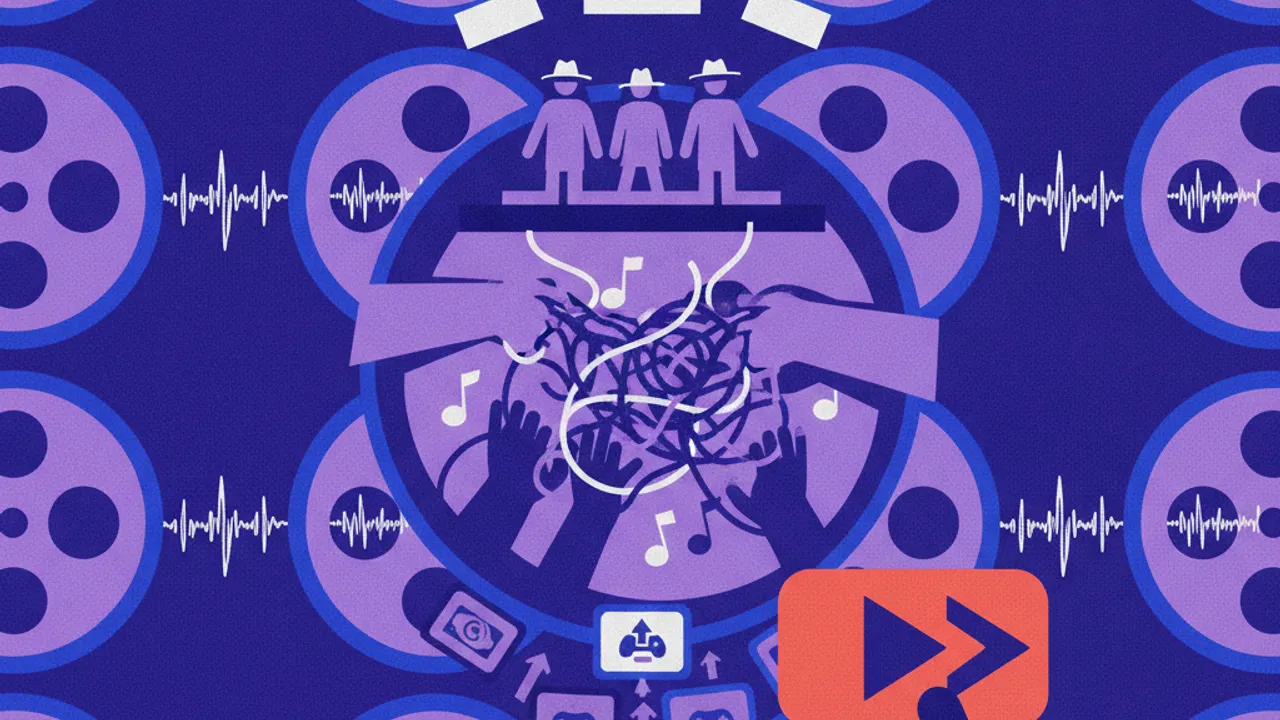
(KI-generiertes Symbolbild: Gemini / AI Connect)

The legal dispute surrounding generative audio models has reached a critical juncture. In late November 2026, prominent US musicians, including country group The Chicks featuring Natalie Maines, Martie Maguire, and Emily Strayer, joined an expanded class-action lawsuit against AI music generator Suno. They were joined by the estates of salsa icon Willie Colón and R&B pioneer Sam Moore, alongside ten other artists such as Carl Craig and Franz Nicolay. This legal challenge differs fundamentally from earlier industry lawsuits by putting the right of publicity and likeness at the core of the complaint.

The plaintiffs allege that Suno systematically indexed artists' names in prompt dictionaries and monetized their identities to allow users to generate synthetic tracks mimicking their signature styles. The lawsuit argues that this deliberate exploitation circumvents fair compensation while directly damaging the artists' brand equity. By framing the dispute around misappropriated identities rather than just copyright infringement during model training, the plaintiffs seek to bypass common fair-use defenses used by machine learning developers.

This artist-led action is supported by new empirical evidence emerging from broader recording industry litigation. On November 18, 2026, Universal Music Group and Sony Music withdrew their motion to enforce a subpoena against digital distributor DistroKid in New York after the company complied by handing over internal records. The disclosed materials included operational metrics on DistroKid's AI detection mechanisms and detailed distribution volumes. The figures showed that DistroKid delivered roughly 12 million tracks to a single digital service platform over a six-month period.

Major labels intend to introduce these records into their primary litigation against Suno to demonstrate tangible market harm. Their central argument is that the sheer volume of synthetic music dilutes digital streaming pools, directly lowering royalties for human creators under standard pro-rata streaming payout systems. DistroKid's data provides the quantitative backing that the labels needed to prove automated content flooding is already occurring at an unprecedented scale.

Regulatory and judicial scrutiny is simultaneously mounting across Europe. On November 27, 2026, Dutch collecting society BumaStemra filed a lawsuit in The Hague against background music provider YourNeuroTune. BumaStemra accuses the platform of using protected European music repertoires without licensing agreements to train models and generate automated background music for commercial venues. Together, these coordinated actions across North America and Europe pose a serious structural challenge to current generative music business models.

What this means for you

This legal shift signals that AI developers can no longer rely purely on fair-use arguments when their systems commercially trade on recognizable artist styles. Businesses deploying or building generative media tools must prepare for strict prompt filtering and rising compliance demands regarding identity rights and catalog licenses.

Perspectives

Coverage: 3× Other

One story, several angles: how each source frames the topic, each with a verbatim quote.

  • kjwl.comOther

    The source focuses on prominent musicians such as The Chicks and Willie Colón joining a lawsuit against Suno over the misappropriation of artists' identities.

    Original quote

    „The Chicks , Willie Colón and Sam Moore are joining the legal fight against AI music.“

    kjwl.com
  • musicbusinessworldwide.comOther

    The coverage focuses on major labels UMG and Sony obtaining AI detection data from DistroKid to support their ongoing copyright lawsuit against Suno.

    Original quote

    „The labels want to use the material as evidence in their original 2024 copyright lawsuit“

    musicbusinessworldwide.com

Source classification is maintained editorially (political spectrum only where consensus is broad; vendor communication is PR, not journalism). Unlabelled sources are unclassified: we do not guess.

Evidence

Well sourced
73/100
  • The Chicks, Carl Craig, Franz Nicolay, and the estates of Willie Colón and Sam Moore joined a class-action lawsuit against Suno on November 24 and 25, 2026.

    verified
  • Universal Music and Sony Music withdrew their subpoena motion against DistroKid in New York on November 18, 2026, after the distributor handed over AI detection documents and delivery statistics.

    single source
  • DistroKid documents revealed that the distributor delivered approximately 12 million tracks to a single platform over a six-month period.

    verified
  • Dutch music rights organization BumaStemra filed a lawsuit against YourNeuroTune in The Hague on November 27, 2026, regarding unlicensed training data.

    single source

The evidence score is computed, not hand-set: from confidence, the number of sources and the share of verified statements.

Source & transparency

As of: November 28, 2026

AI-generatedAI-generated: produced automatically from vetted sources with technical quality checks (source, quote and figure verification); no human sign-off of each item before publication

Sources
3
Verified statements
2 / 4
Evidence score
73Well sourced

Want to put this into practice?

We connect you with suitable AI providers from the DACH region, free of charge and without obligation.

What's next?