
At the fourth AI Business Day on September 9, 2026, held in Werder an der Havel, small and medium-sized enterprises signaled a clear shift in strategy. Organized by the BVMW and regional Mittelstand-Digital centers, the event demonstrated a departure from experimental feasibility studies. Participating companies focused instead on verifiable return-on-investment figures and the economic viability of live deployments.
Case studies presented by participating firms revealed significant efficiency gains across standardized workflows. In documented project examples, development and documentation workloads dropped from 60 person-days to just 18 days. Facing growing regulatory pressure, medium-sized enterprises are directing resources heavily into automated compliance and gap analysis, specifically for NIS2 directives and mandatory ESG reporting.
Alongside software process optimization, the direct integration of algorithms into factory shop floors is accelerating. On September 1, 2026, automation specialist Hilscher officially joined the Next Level Mittelstand initiative. The consortium aims to embed real-time edge AI directly into industrial communication architectures such as Industrial Ethernet and IIoT. These architectures feed digital twins that reduce unplanned downtime and scrap rates in manufacturing lines.
Despite widespread anxiety regarding technological displacement, this wave of automation has not produced mass layoffs across the DACH region. Recent labor market data from T. Rowe Price and Pragma-Code indicate that macroeconomic employment levels remain stable. Although job openings for junior entry-level roles involving routine tasks dropped by approximately 16 percent, widespread corporate redundancies have failed to materialize.
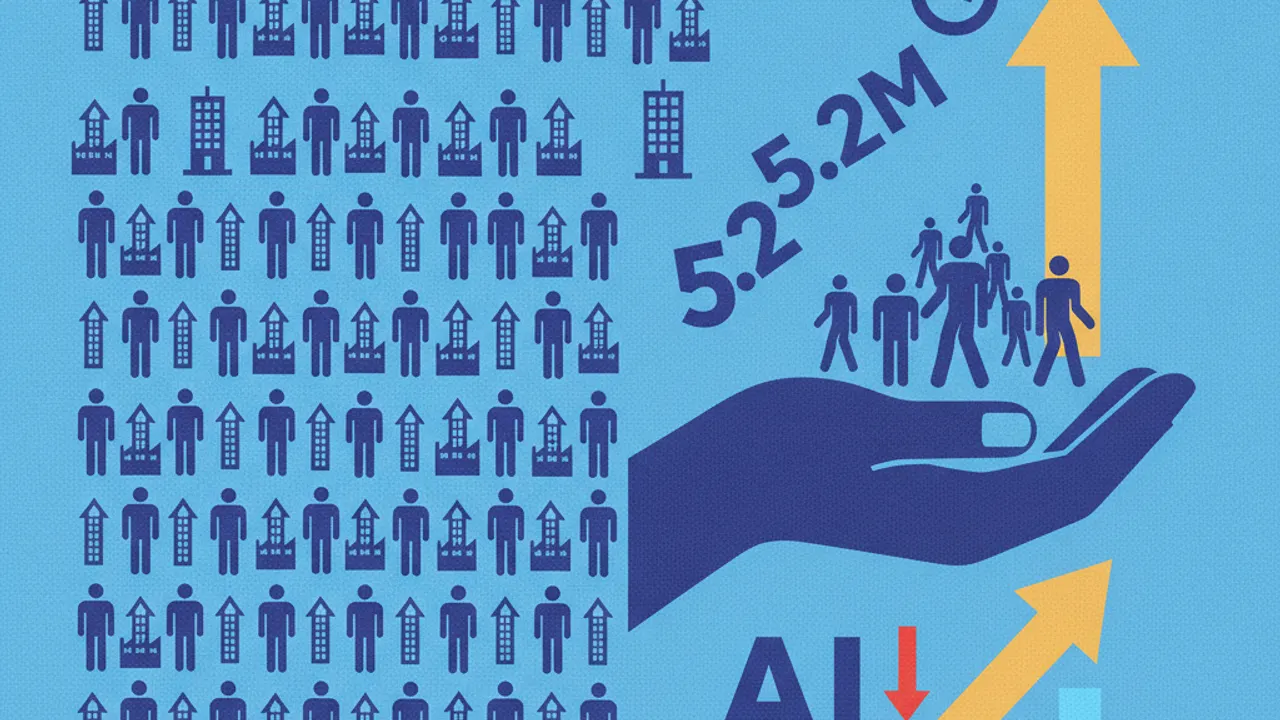
This dynamic is explained by the convergence of productivity software and demographic changes. By 2030, up to 5.2 million workers from the baby boomer generation are scheduled to retire across the region. This wave of retirements absorbs the productivity gains yielded by machine learning tools. Rather than cutting headcounts, companies are investing in upskilling programs to transition remaining personnel into AI orchestrators within finance, logistics, and IT departments.