
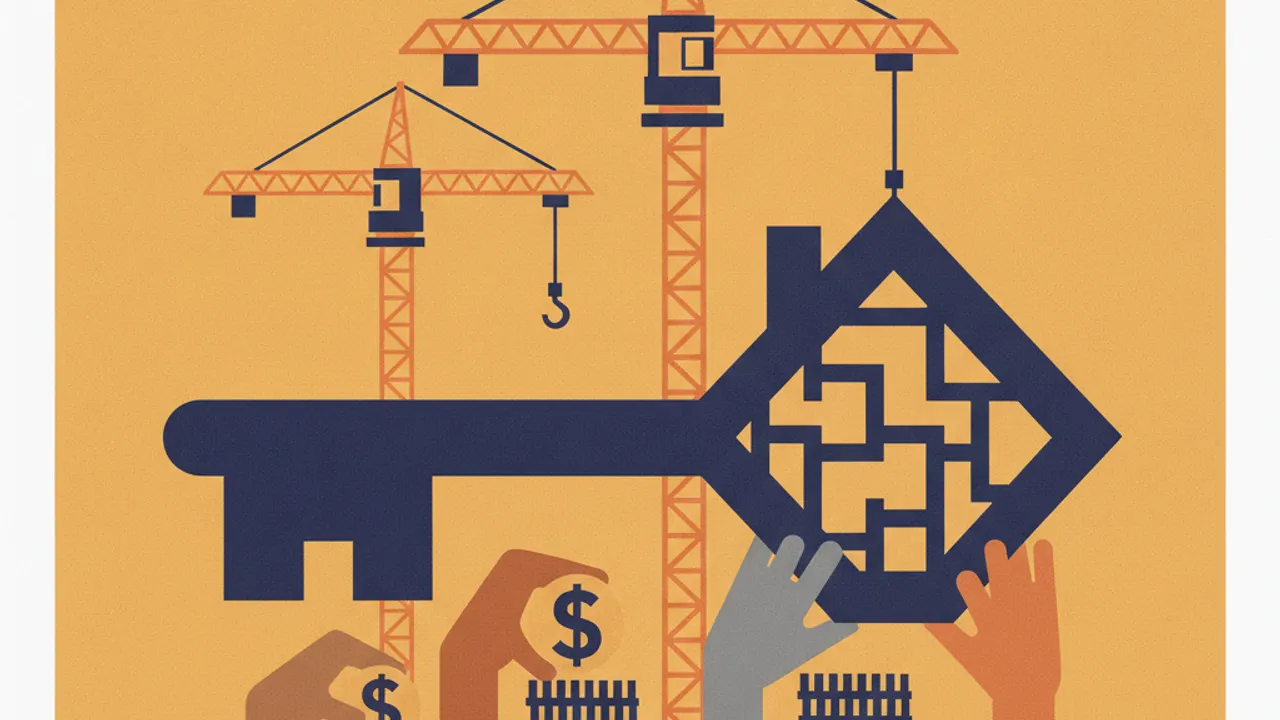
The construction and proptech sectors are experiencing a decisive push toward autonomous machinery and physical AI. In mid-August 2026, Swiss startup Gravis Robotics raised 200 million US dollars, equivalent to approximately 172 million euros, in a Series A funding round. SoftBank served as the sole investor in the round. Originating from ETH Zurich, Gravis Robotics develops AI-powered control systems for heavy construction equipment such as excavators, addressing labor shortages in civil infrastructure through semi-autonomous multi-machine operations and targeted productivity gains of up to 30 percent.
Simultaneously, fully autonomous systems are making direct inroads into live construction environments. On August 19, 2026, the founders of Bedrock Robotics, former Waymo engineers, announced that their heavy autonomous earthmoving machines are now operating live on major projects for US contractors Sundt Construction and Zachry Construction. The deployment marks a critical step from isolated testing grounds to mass earthmoving operations on active sites.
Operating autonomous robots on complex sites requires detailed spatial data layers. Munich-based NavVis secured an 85 million dollar Series D funding round in mid-August, led by The Jordan Company. NavVis produces high-precision digital twins of construction sites and existing buildings, providing the underlying spatial foundation necessary for training and navigating physical AI agents and robots.
Capital markets and procurement workflows are seeing parallel activity. French startup Aitenders, which provides an AI platform for automated tender analysis and contract reviews on major infrastructure projects, completed a reverse takeover to list on the Canadian Securities Exchange under the ticker BIDS on August 10 and 11, 2026. At the same time, platforms like Antares Labs raised 7.25 million dollars in seed capital to integrate AI directly into underwriting and asset data for institutional real estate operators.
Despite significant capital inflows, broader adoption across real estate and construction faces internal hurdles. An industry study published on August 19, 2026, by Keyway and The Appraisal revealed that while 45 percent of commercial real estate firms are testing AI in pilot projects, only 9 percent have achieved company-wide productive implementation. Furthermore, only 8 percent assess their internal data infrastructure as fully prepared for autonomous AI workflows.