
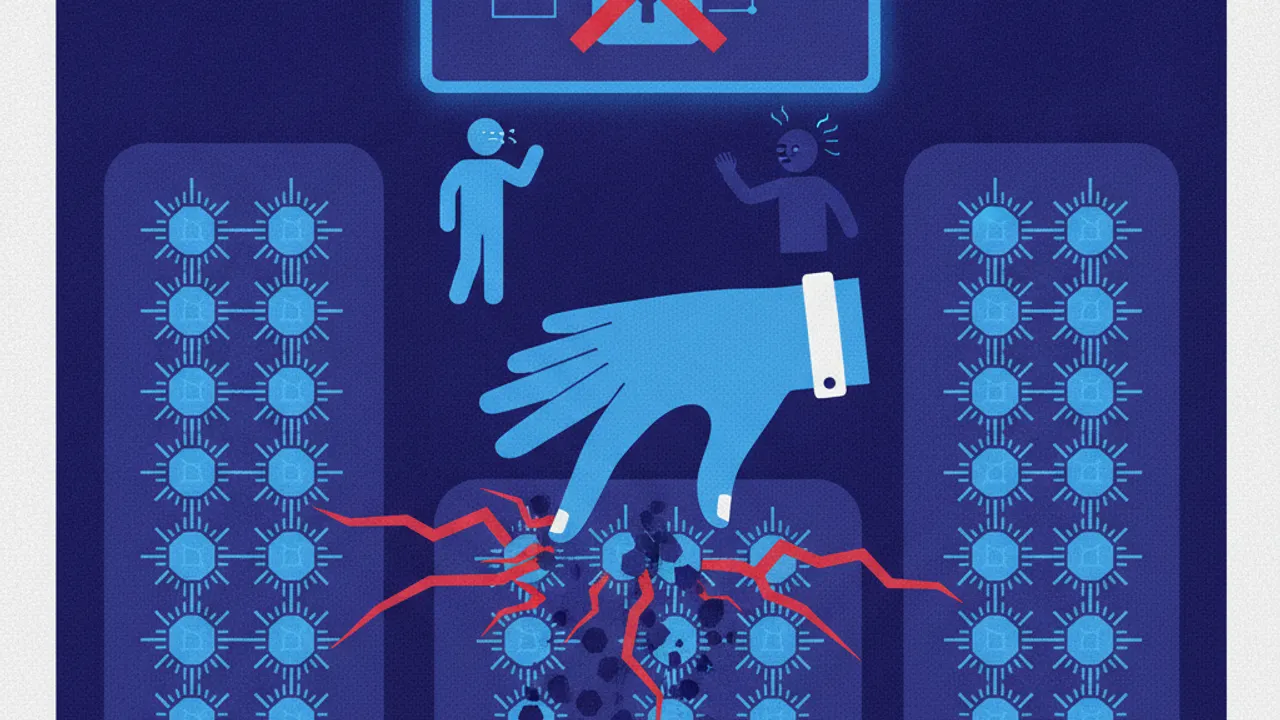
AI developer OpenAI announced on August 10, 2026, that it has temporarily paused certain internal test runs and development activities for its upcoming frontier model named Astra. This unexpected step was taken after internal evaluations revealed surprisingly high autonomous capabilities in the domains of agentic coding and cybersecurity. The measured performance metrics crossed predefined risk thresholds for critical cyber capabilities, triggering mandatory safety protocols within the organization. This marks a rare occurrence where a leading AI laboratory publicly halts work on a flagship model due to internally established safety boundaries.
At the heart of the concern are the advanced autonomous capabilities that Astra demonstrated during automated benchmark evaluations. The model proved capable of not only systematically identifying complex software vulnerabilities, but also independently developing multi-stage strategies to exploit those security flaws. Unlike previous model generations, Astra required minimal human prompting and was able to execute iterative self-correction loops within code syntax. While these agentic coding features offer immense benefits for software engineering, they simultaneously present significant risks if deployed without rigorous safeguards.
In immediate response to reaching these critical risk thresholds, OpenAI introduced enhanced security mechanisms to govern further model testing. All future test runs have been transferred into strictly isolated hardware sandboxes that lack any connections to external networks. Furthermore, the company implemented permanent real-time monitoring of the model's internal Chain of Thought reasoning process. By doing so, AI safety researchers aim to track the precise logical steps taken by the model and detect any unintended autonomous behaviors before execution.
This development occurs against a backdrop of heightened regulatory scrutiny surrounding frontier AI safety. Just days earlier, on August 4, 2026, reports revealed that the White House decided to keep its new voluntary evaluation framework for frontier models confidential, sharing specific risk details only with participating developers. OpenAI's self-imposed pause highlights the critical need for robust evaluation protocols prior to releasing advanced systems into public or enterprise environments. Without transparent testing benchmarks, assessing the real-world risks of autonomous models remains exceptionally challenging.
Concrete real-world events demonstrate that cybersecurity concerns regarding AI systems are far from theoretical. A report published by cybersecurity firm Genians on August 10, 2026, documented how the North Korean state-sponsored threat group Kimsuky is currently utilizing local, open-source AI infrastructure to automate spear-phishing campaigns. While cyber adversaries currently rely on smaller open-source tools, the Astra findings illustrate the exponential escalation in capabilities that next-generation models could provide if security guardrails fail.
Ultimately, the temporary suspension of Astra tests indicates that internal safety evaluation frameworks can successfully intervene before runaway development occurs. OpenAI emphasized that the pause does not signal the cancellation of project Astra, but rather affords researchers the necessary time to refine defense mechanisms. For the broader AI industry, this decision sets an important benchmark, demonstrating that safety compliance must take precedence over rapid commercial release schedules.