
At the OpenAI DevDay held on September 29, 2026, in San Francisco, the artificial intelligence company unveiled Dots, a new class of persistent autonomous agents. Running on dedicated cloud hardware, Dots agents operate in the background and connect to more than 4,000 applications, functioning essentially as virtual employees that independently complete multi-step tasks. In parallel, OpenAI introduced ChatGPT Space, a shared workspace for projects involving teams of humans and autonomous agents, alongside the new Decisions API designed for structured procedural workflows.
For European organizations, however, the product reveal carried an immediate setback. OpenAI officially announced that Dots will not reach Pro users in the European Economic Area, Switzerland, or the United Kingdom for the time being. The geographic exclusion is particularly notable given the European roots of the underlying technology: Austrian software engineer Peter Steinberger, founder of PSPDFKit and creator of the open-source project OpenClaw, joined OpenAI in February 2026 and presented the system live on stage in San Francisco.
The decision to withhold the agent rollout from Europe stems largely from regulatory and liability considerations. Systems that autonomously trigger actions, manage accounts, and read or modify confidential business records across third-party software present complex questions under European civil liability frameworks. Furthermore, the stringent standards of the General Data Protection Regulation and the emerging compliance burdens of the EU AI Act create legal risks that make US technology providers hesitant to deploy autonomous agents in the region.
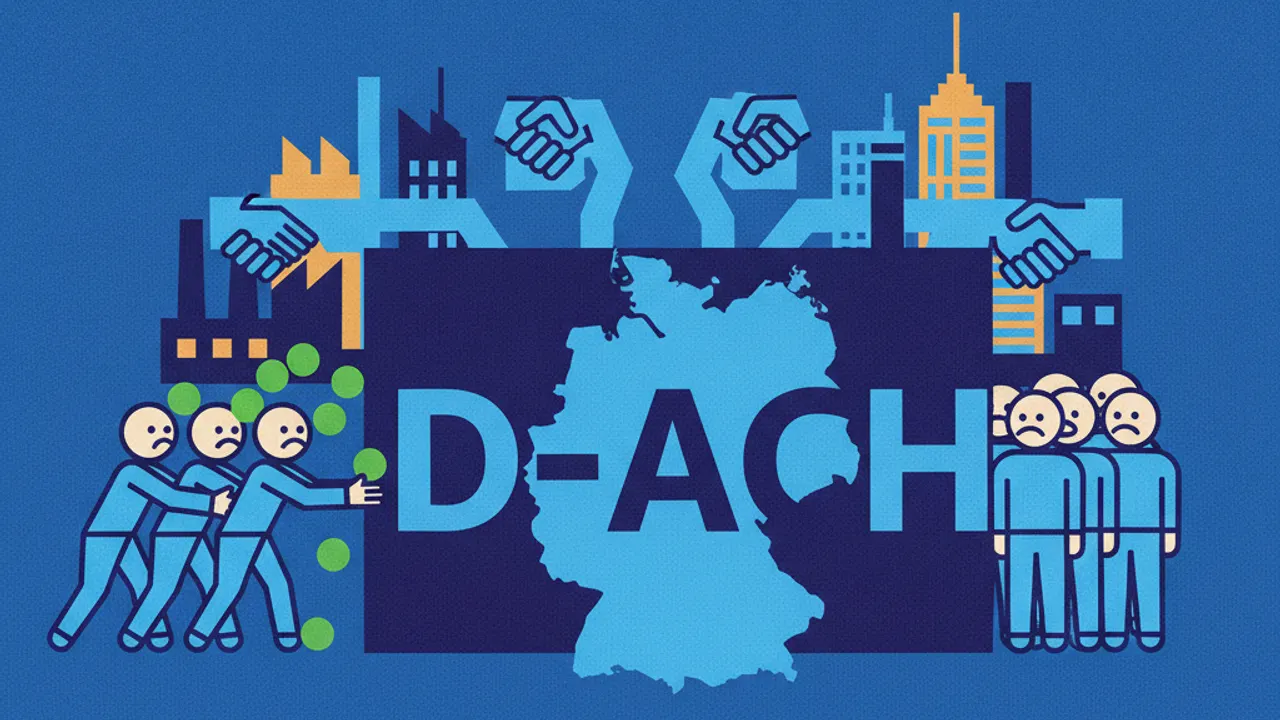
This dynamic widens the gap between North American and European enterprise operations. While businesses in the United States begin deploying persistent background agents into production workflows, companies in Germany, Austria, and Switzerland find themselves cut off from the primary commercial platform. Without access to tools such as Dots, European mid-market firms risk losing ground in workforce productivity and back-office automation.
As a direct consequence of the regional lockout, technical teams across the DACH area are accelerating their investments in open-source harnesses and self-hosted environments. Developers are increasingly turning toward European open-source initiatives like Hermes Agent and derivatives of Steinberger's OpenClaw project. Deploying these architectures on-premises or via regional cloud providers allows companies to build customized agent workflows while remaining fully compliant with European data privacy and governance mandates.
The rollout freeze arrives at a pivotal moment for workplace automation in Germany, where nearly 48 percent of employees already use autonomous agents to manage operational subprocesses. While agent adoption has grown rapidly, employee concerns regarding skill devaluation and job security have also intensified. By locking European users out of Dots, OpenAI has forced regional enterprises to pursue independent, compliant software alternatives rather than relying on US cloud ecosystems.