
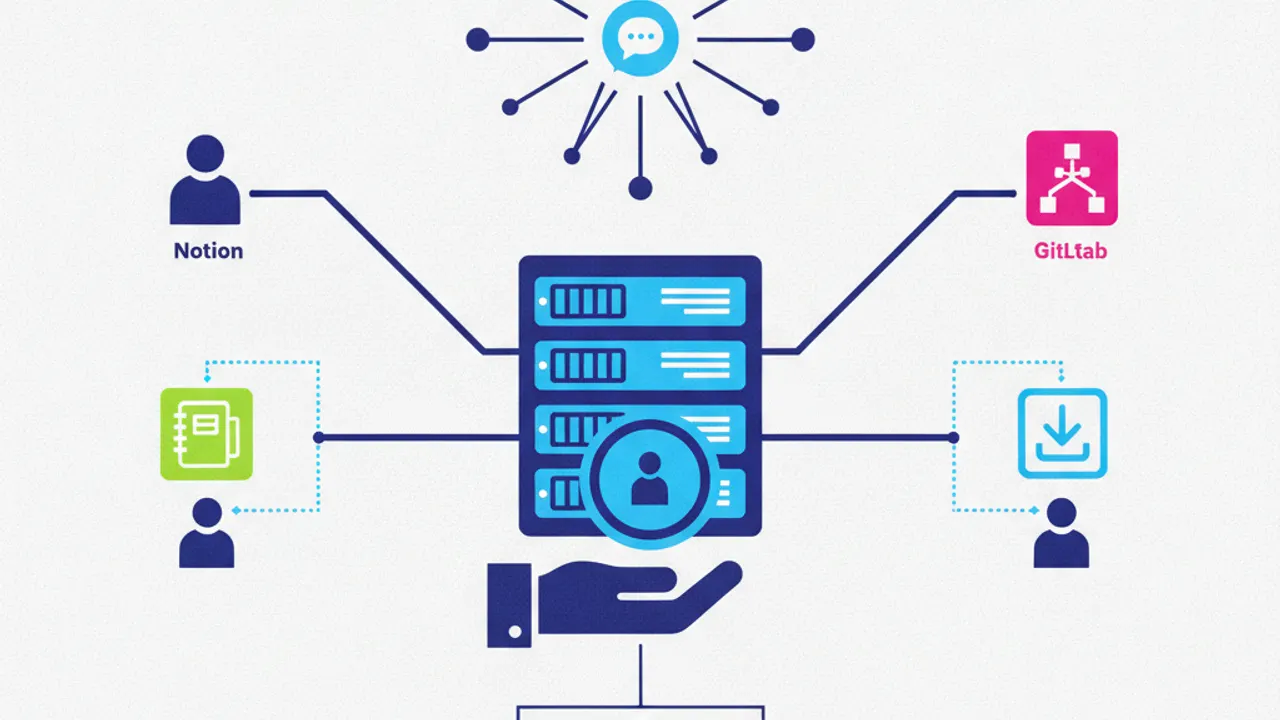
OpenAI has officially launched a new identity and consumption framework titled 'Sign in with ChatGPT', signaling a structural shift in how users access AI compute. The new feature allows subscribers to carry their existing token quotas directly into partner applications, turning ChatGPT into an infrastructure backbone. By introducing a Bring Your Own Compute model, the company removes traditional barriers where users had to generate and manage individual API keys or enter credit card information for third-party platforms.
The integration relies on a newly introduced OAuth scope named chatgpt.tokens.use.direct. Through this mechanism, subscribers to ChatGPT Plus and Pro can authenticate with external applications and allocate portions of their existing model usage to those services. Users retain full oversight and governance within their ChatGPT settings, where they can define granular consumption limits and view real-time resource allocations.
At launch, OpenAI unveiled a prominent roster of enterprise and developer partners supporting the integration. The initial group includes Notion, Supabase, Airtable, GitLab, HubSpot, and Vercel, alongside broad availability for local development workflows and open-source agent scaffolding. By enabling these tools to leverage existing subscriptions, developer tooling can seamlessly incorporate frontier models without implementing bespoke metering or billing engines.
This release reflects OpenAI's ambition to transition ChatGPT from an isolated consumer chatbot into an omnipresent billing and identity protocol. Much like single sign-on systems from Apple or Google transformed web authentication, OpenAI is coupling identity with raw compute units. The resulting architecture creates tight ecosystem lock-in, as a single subscription suddenly powers productivity suites, code repositories, and project management workspaces simultaneously.
For third-party software developers, the framework drastically reduces friction during user onboarding, eliminating the churn associated with paid API setup. For OpenAI, it anchors the monthly subscription fee deeper into daily workflows across multiple tools. The shift highlights how the monetization of foundation models is moving from manual developer keys to consumer-friendly identity federations.