
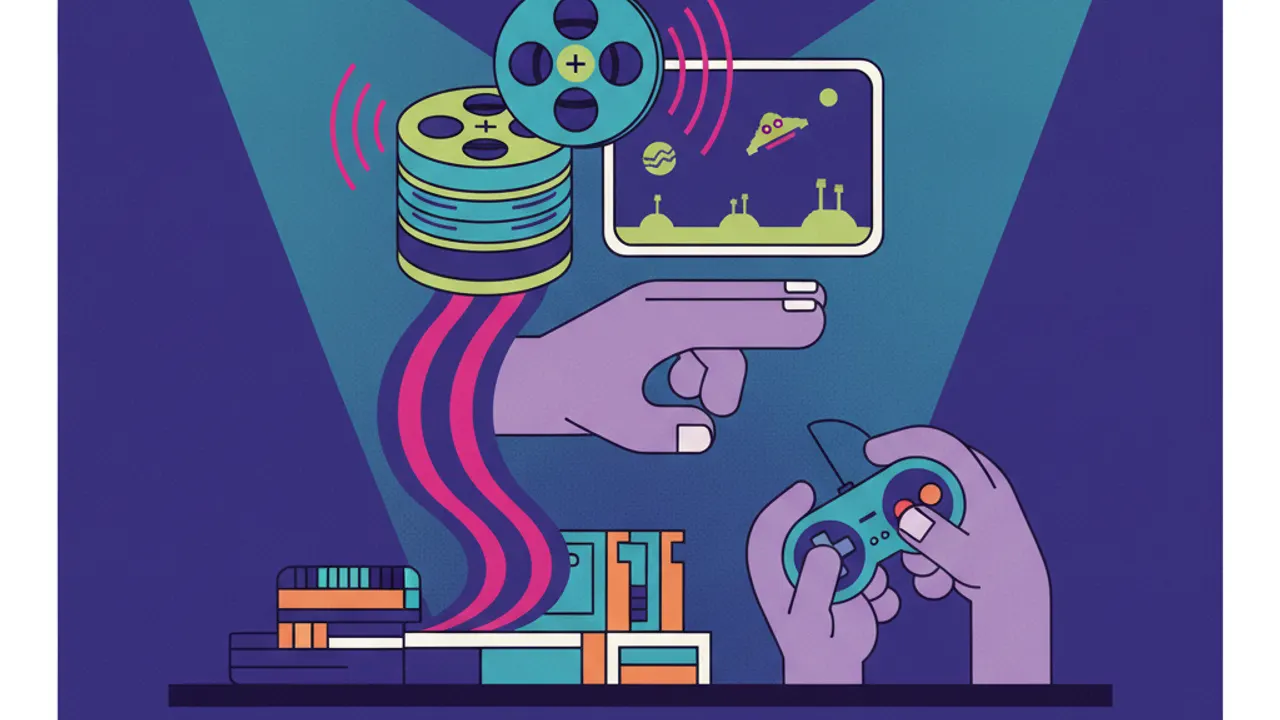
At its DevDay conference on September 29, 2026, OpenAI presented a surprise collaboration with filmmaker Casey Neistat and his hardware enterprise ModRetro alongside new developer features. The joint appearance focused on merging generative programming with physical retro media. Instead of confining artificial intelligence to cloud platforms or monitors, the partners demonstrated how prompt-based game concepts can be transferred directly onto tangible cartridges.
The newly introduced Codex plugin facilitates vibe coding for retro gaming systems. Developers and hobbyists lacking background knowledge in assembly or C can design functional game mechanics using conversational language prompts. The system compiles the generated code on the fly and flashes it immediately onto a rewritable game cartridge. These physical modules can then be inserted into the ModRetro Chromatic handheld console and played instantly.
Alongside the hardware demonstration, OpenAI highlighted its focus on creative professionals through a high-profile hire. Sam Yam, co-founder of creator platform Patreon, joined OpenAI to head product tools tailored specifically for content creators. His group is tasked with building dedicated interfaces that integrate generative systems directly into established workflows for media producers and video creators.
As an additional productivity tool, the company introduced autonomous background agents called Dots. Running in isolated cloud instances, Dots are designed to handle labor-intensive grunt work in media post-production. The agents screen multi-hour video and podcast sessions, isolate viral highlights for social feeds, draft shownotes, and compile structured metadata for platforms like YouTube and streaming networks.
OpenAI supplemented its creator push through the interactive AI Skills Studio, launched on the same day in partnership with Handshake. Operating within ChatGPT Work, the system allows users to design and test browser-based multiplayer games entirely through conversation. Creators can publish their finished games under a public link with room codes without writing a single line of software code.
These announcements signal a clear shift in how generative technology is operationalized across creative industries. The technology is moving away from isolated chatbots toward embedded agents and physical hardware pipelines. While these tools drastically reduce the time needed to build prototypes, they also intensify ongoing industry debates regarding human authorship and asset verification.