
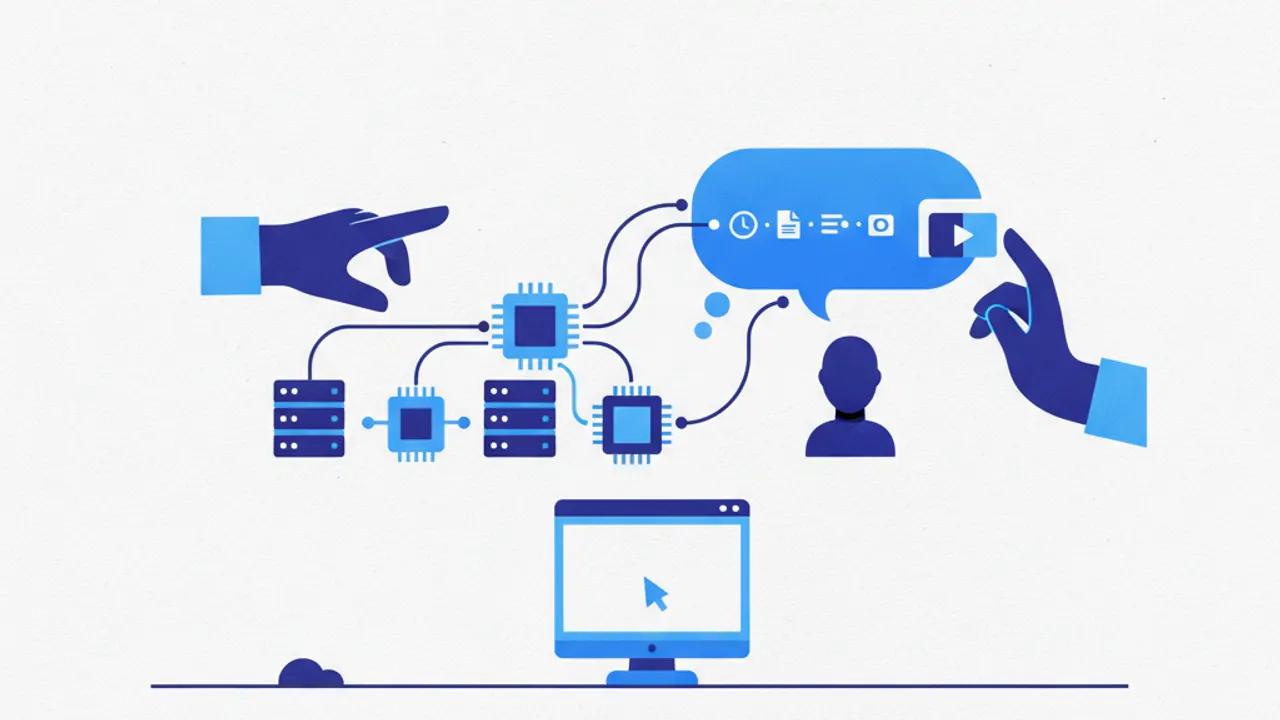
OpenAI introduced a new capability called Computer History for its macOS desktop application on August 13, 2026. The functionality is available on an opt-in basis exclusively to subscribers on ChatGPT Pro, Business, and Enterprise plans. The feature is designed to provide the AI assistant with persistent background context regarding user workflows across different desktop tasks.
The system formally replaces an earlier experimental prototype known as Chronicle, which relied on continuous screen recording and periodic screenshots. Computer History abandons visual screen capture altogether, instead interfacing directly with the native macOS accessibility framework. This allows the application to capture discrete operating system events, such as mouse clicks, keyboard input, and application transitions.
Rather than streaming raw telemetry to remote infrastructure, the captured interactions are processed directly on the user device. The software condenses individual user actions into structured, local Markdown summaries that ChatGPT can reference during subsequent conversations. This architecture reduces computational overhead while giving users direct visibility over the generated contextual records.
Despite the shift toward structured text aggregation, OpenAI has implemented strict geographic restrictions. The Computer History feature is currently unavailable across the European Economic Area, Switzerland, and the United Kingdom. The restriction stems from compliance requirements under strict European data protection standards, with no confirmed release date for those markets.
Alongside regulatory barriers, OpenAI explicitly highlighted potential security vulnerabilities inherent in system-wide activity logging. The primary concern centers on indirect prompt injection vectors, wherein malicious instructions embedded within displayed documents or websites could enter the aggregated history and manipulate model outputs during future interactions.