
Skip to content
AI ConnectPowered by VELENTIS
AI-generated1 min

OpenAI Reports Coding Agents Are Reshaping Internal Research

OpenAI reports that coding agents are altering internal AI research, releasing early data on agent usage, experiment velocity, and research acceleration.

This article was AI-generated and published automatically. Context, labelling and all sources at the end of the article.

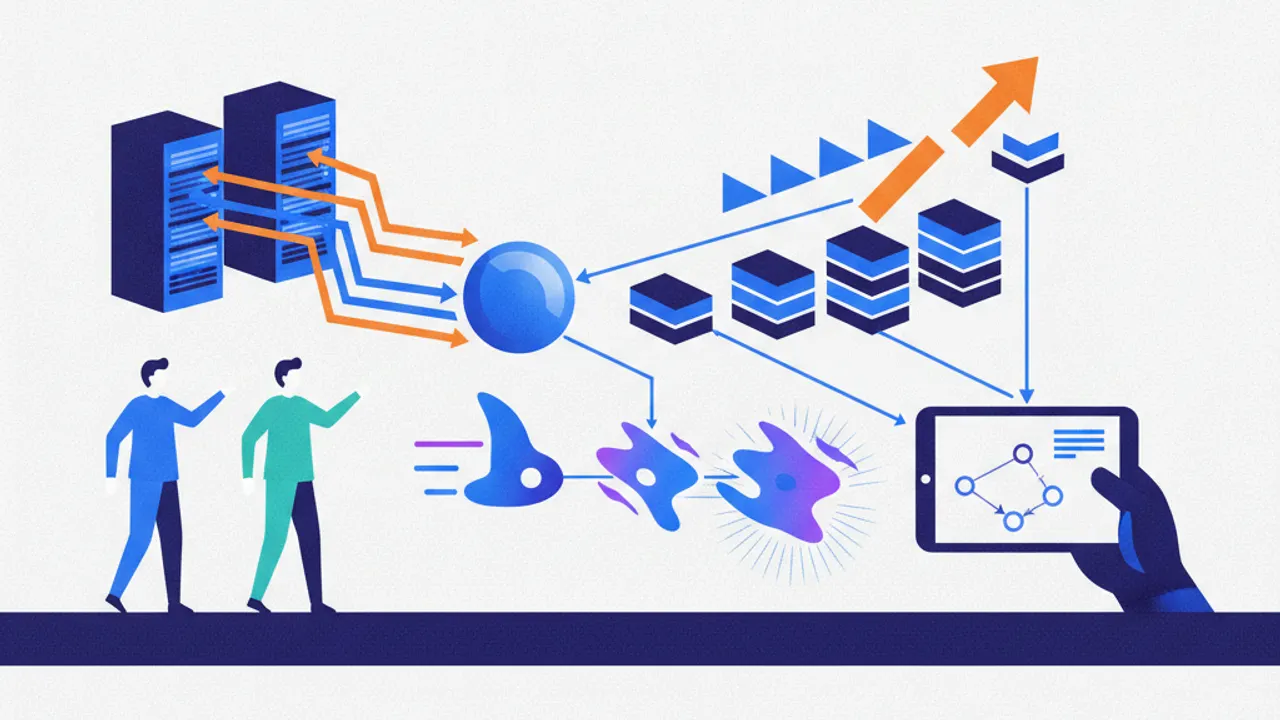
(KI-generiertes Symbolbild: Gemini / AI Connect)

OpenAI has shared initial observations regarding its internal development practices. According to the company, "Inside OpenAI, coding agents are reshaping AI research." These automated tools are actively changing the day-to-day operations and workflows of technical teams within the laboratory.

The organization has made preliminary figures available concerning this technical transition. It highlights an initiative to "Explore early data on agent usage, experiment velocity, task complexity, and research acceleration." These measurements document the relationship between agent deployment, project execution speed, and the scope of tasks handled by internal teams.

What this means for you

The growing internal use of coding agents at frontier laboratories indicates that autonomous programming tools are becoming integral to software workflows. Engineering managers can look to metrics such as experiment velocity and task complexity to evaluate the productivity impact of similar tools in their own teams. Monitoring these implementations helps technical leaders benchmark how developer agents influence project timelines.

Evidence

Solidly sourced
46/100
  • OpenAI reports that coding agents are actively altering its internal research processes.

    single source
    Quote

    Inside OpenAI, coding agents are reshaping AI research.

  • OpenAI has gathered preliminary data measuring agent adoption, experiment velocity, task complexity, and research acceleration.

    single source
    Quote

    Explore early data on agent usage, experiment velocity, task complexity, and research acceleration.

The evidence score is computed, not hand-set: from confidence, the number of sources and the share of verified statements.

Source & transparency

As of: September 06, 2026

AI-generatedAI-generated: produced automatically from vetted sources with technical quality checks (source, quote and figure verification); no human sign-off of each item before publication

Sources
1
Verified statements
0 / 2
Evidence score
46Solidly sourced

Want to put this into practice?

We connect you with suitable AI providers from the DACH region, free of charge and without obligation.

What's next?