
Skip to content
AI ConnectPowered by VELENTIS
AI-generated1 min

OpenAI Reports Asana Browser Agent Ran Faster and Cheaper with GPT-6 Astra in Tests

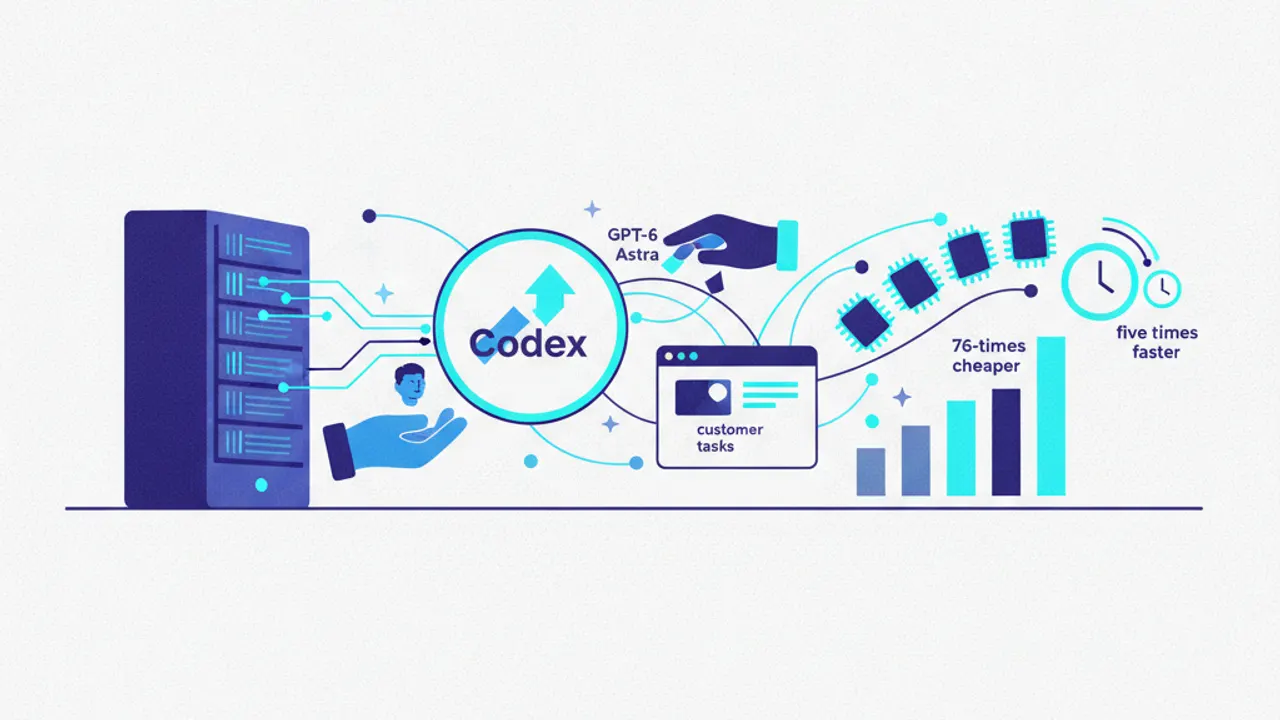
Asana reduced test costs for its browser agent by 76 times and increased speed fivefold using GPT-6 Astra in Codex, according to an update published by OpenAI.

This article was AI-generated and published automatically. Context, labelling and all sources at the end of the article.

(KI-generiertes Symbolbild: Gemini / AI Connect)

Workplace software provider Asana has evaluated GPT-6 Astra inside Codex to power its browser agent tooling. According to benchmark figures published by OpenAI, Asana made its browser agent 76x cheaper and 5x faster in tests during these evaluations. The testing focused on measuring cost efficiency and execution latency for agent-driven workflows.

The primary operational objective behind these adjustments is to offer customers more capable models without running into prohibitive operational constraints. By executing tasks through GPT-6 Astra in Codex, the browser agent achieved significant gains in responsiveness while reducing testing costs. These performance gains reflect Asana's reported efforts to supply users with enhanced artificial intelligence capabilities.

What this means for you

Achieving higher execution speed alongside sharp reductions in inference expense is critical for deploying functional browser agents at scale. If these benchmark metrics translate to production environments, enterprise software providers can deliver automated web agents to customers with vastly lower infrastructure overhead.

Evidence

Solidly sourced
46/100
  • Asana ran its browser agent at a fraction of the cost and with higher speed during tests using GPT-6 Astra in Codex.

    single source
    Quote

    „Using GPT-6 Astra in Codex, Asana made its browser agent 76x cheaper and 5x faster in tests“

  • The efficiency gains were targeted at providing end users with more capable systems.

    single source
    Quote

    „to offer customers more capable models.“

The evidence score is computed, not hand-set: from confidence, the number of sources and the share of verified statements.

Source & transparency

As of: October 09, 2026

AI-generatedAI-generated: produced automatically from vetted sources with technical quality checks (source, quote and figure verification); no human sign-off of each item before publication

Sources
1
Verified statements
0 / 2
Evidence score
46Solidly sourced

Want to put this into practice?

We connect you with suitable AI providers from the DACH region, free of charge and without obligation.

What's next?