Skip to content
AI ConnectPowered by VELENTIS
AI-generated1 min

Computational Model Decodes Cellular Communication in Tissue Assembly, MIT News Reports

A new computational approach demonstrates how cells communicate to form tissues, with potential to advance stem cell engineering and therapies.

This article was AI-generated and published automatically. Context, labelling and all sources at the end of the article.

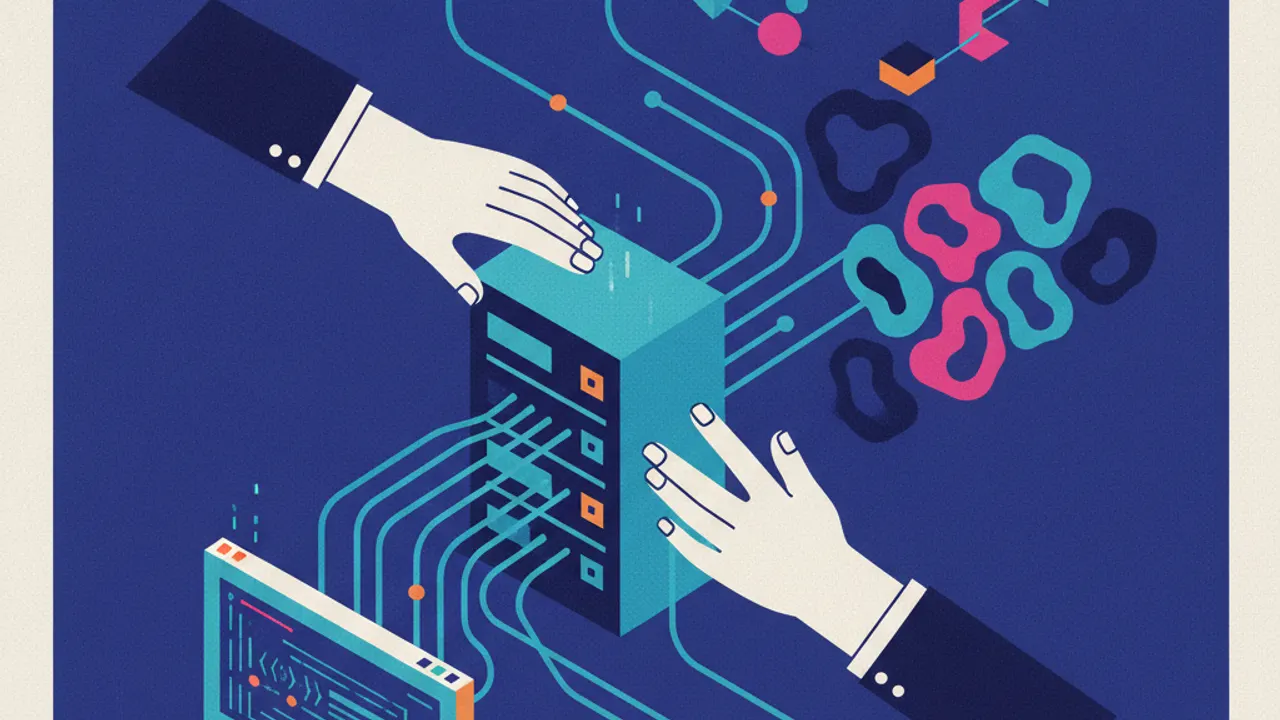
(KI-generiertes Symbolbild: Gemini / AI Connect)

A newly reported computational technique provides insight into fundamental biological coordination. Specifically, "A new computational approach reveals how cells communicate to assemble into tissues." The system maps the interactions that allow individual units to organize into structured biological forms.

The broader utility of this computational methodology spans several key areas of medicine and biotechnology. According to the report, "This could accelerate stem cell engineering, improve disease models, and inform therapies." These capabilities may strengthen laboratory simulations and assist in the development of targeted medical interventions.

What this means for you

For life science organizations, computational methods that capture cellular communication can strengthen experimental disease models. Faster engineering of stem cells may also streamline the preclinical stages of therapy design. Tracking these computational tools offers strategic clarity for teams developing cell-based treatments.

Evidence

Solidly sourced
46/100
  • A novel computational method reveals the mechanisms cells use to communicate and form tissues.

    single source
    Quote

    „A new computational approach reveals how cells communicate to assemble into tissues.“

  • The computational approach could speed up stem cell engineering, improve disease models, and guide therapies.

    single source
    Quote

    „This could accelerate stem cell engineering, improve disease models, and inform therapies.“

The evidence score is computed, not hand-set: from confidence, the number of sources and the share of verified statements.

Source & transparency

As of: October 15, 2026

AI-generatedAI-generated: produced automatically from vetted sources with technical quality checks (source, quote and figure verification); no human sign-off of each item before publication

Sources
1
Verified statements
0 / 2
Evidence score
46Solidly sourced

Want to put this into practice?

We connect you with suitable AI providers from the DACH region, free of charge and without obligation.

What's next?