
Skip to content
AI ConnectPowered by VELENTIS
AI-generated2 min

New AI Systems in Sports: Interactive De-Escalation for Referees and Prescriptive Load Management

Generative voice systems are training sports referees in conflict de-escalation, while performance analysts adopt prescriptive models to dynamically adjust athlete workloads.

This article was AI-generated and published automatically. Context, labelling and all sources at the end of the article.

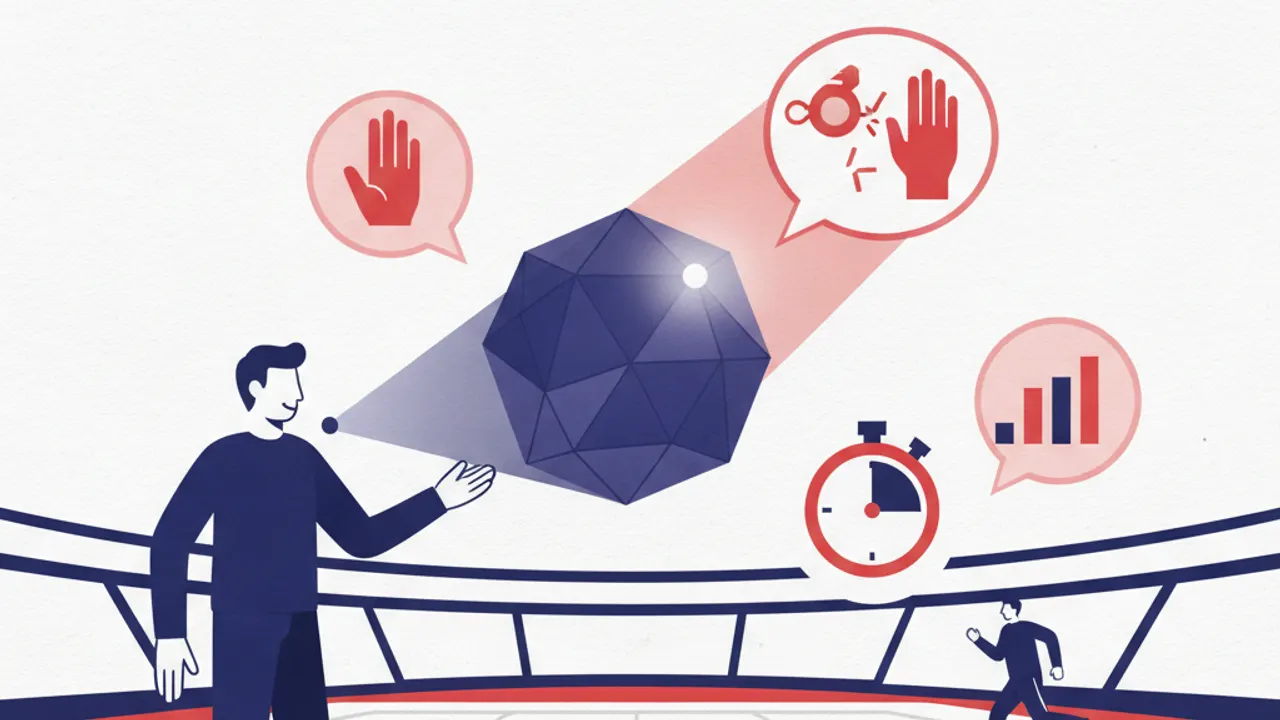
(KI-generiertes Symbolbild: Gemini / AI Connect)

For years, technological innovation in professional athletics focused primarily on optical tracking cameras, automated video replays, and retrospective performance metrics. Recently, however, the industry has shifted its attention toward cognitive simulation tools and real-time operational guidance. Sports governing bodies and sports technology vendors are increasingly deploying generative language models and prescriptive analytical systems to overhaul officiating standards and physical training workflows. This progression represents a departure from passive data accumulation toward proactive, action-oriented systems operating on and off the field.

A major focus of this technological transition addresses the recruitment and retention of match officials in youth and association sports. As highlighted in discussions surrounding initiatives like YSBR, referees frequently face severe psychological stress caused by verbal hostility from spectators and team coaches. To mitigate these confrontations, training organizations are introducing conversational simulations powered by generative voice AI. Referees participate in real-time, interactive audio scenarios that recreate heated sideline disputes, forcing officials to defend their decisions while managing emotional friction.

The underlying generative system dynamically adjusts its demeanor based on the official's conduct during the simulation. Algorithms continuously evaluate vocal pitch, speech cadence, word choice, and response latency, adapting the virtual counterpart's aggression level and arguments accordingly. If an official communicates calmly and authoritatively, the synthetic speaker gradually descales, whereas aggressive or hesitant replies escalate the argument. Upon completing a session, the platform generates a structured behavioral evaluation that details specific strengths and weaknesses in de-escalation technique.

Beyond behavioral conflict management, foundational rulebook comprehension is also undergoing automation through specialized tools such as RefereeGPT. This domain-specific language engine supports five distinct sporting disciplines, incorporating soccer regulations under IFAB and FIFA, cricket frameworks defined by the ICC and MCC, and basketball rulebooks overseen by FIBA and the NBA. Match officials can query complex scenario interpretations or complete personalized quizzes, replacing traditional static study materials with conversational, ad-hoc legal scenario testing.

Simultaneously, athletic training departments and sports scientists are re-evaluating their methodologies regarding biomechanics and player health. At industry events such as the Human Performance Summit organized with contributors like Teamworks, performance directors outlined why isolated injury prediction systems consistently underperform in professional environments. Soft-tissue injuries remain statistically rare occurrences shaped by non-linear variables, meaning purely predictive algorithms routinely trigger excessive false alarms that erode staff confidence.

In response, technology providers such as Catapult are driving an industry-wide pivot toward prescriptive analytics. Rather than attempting to forecast an injury event days in advance, these algorithms process real-time positional GPS telemetry, accelerometer readings, and heart-rate outputs during active sessions. Performance staff receive immediate, practical recommendations, such as curtailing an athlete's high-speed sprint distance by 20 percent or enforcing immediate rest periods for vulnerable muscle groups before biomechanical fatigue culminates in strain.

What this means for you

For coaches, sports administrators, and match officials, this paradigm shift transforms artificial intelligence from a retrospective data repository into an interactive sparring partner and real-time operational guide. Merging conversational voice training with live biometric telemetry demonstrates that modern sporting algorithms are moving into direct intervention, safeguarding both psychological resilience and physical longevity under pressure.

Perspectives

Coverage: 3× Other

One story, several angles: how each source frames the topic, each with a verbatim quote.

  • youthsportsbusinessreport.comOther

    The source highlights AI-powered conversation training that enables referees and sports administrators to simulate and practice de-escalation techniques when dealing with angry parents and coaches.

    Original quote

    „The professional can then run the same scenario again, trying a different opening, a different de-escalation strategy“

    youthsportsbusinessreport.com
  • refereegpt.coOther

    The source presents an AI tool designed to help referees learn rules and prepare for exams through rule questions, scenario practice, and gamification.

    Original quote

    „RefereeGPT gives you an always-available place to make the question precise and work through a possible answer.“

    refereegpt.co
  • teamworks.comOther

    The source provides a critical perspective on sports AI, emphasizing that workload management and injury prevention rely heavily on solid, integrated data rather than mere model hype.

    Original quote

    „The NFL’s Digital Athlete platform, built on years of integrated player data, was associated with a 17% reduction“

    teamworks.com

Source classification is maintained editorially (political spectrum only where consensus is broad; vendor communication is PR, not journalism). Unlabelled sources are unclassified: we do not guess.

Evidence

Solidly sourced
67/100
  • Generative AI scenarios are deployed in youth and association sports to train referees in real-time audio de-escalation against simulated aggressive coaches and parents.

    single source
  • The specialized rulebook model RefereeGPT covers five sports disciplines, including soccer under IFAB/FIFA rules, cricket under ICC/MCC codes, and basketball under FIBA/NBA rules.

    single source
  • At the Human Performance Summit, presentations involving Teamworks detailed that purely predictive injury models fail in practice due to rare soft-tissue events and high false-alarm rates.

    single source
  • Prescriptive analytics platforms such as Catapult process live telemetry including GPS, acceleration, and heart rate data to issue immediate coaching directives like cutting sprint distances by 20 percent.

    verified

The evidence score is computed, not hand-set: from confidence, the number of sources and the share of verified statements.

Source & transparency

As of: September 26, 2026

AI-generatedAI-generated: produced automatically from vetted sources with technical quality checks (source, quote and figure verification); no human sign-off of each item before publication

Sources
3
Verified statements
1 / 4
Evidence score
67Solidly sourced

Want to put this into practice?

We connect you with suitable AI providers from the DACH region, free of charge and without obligation.

What's next?