
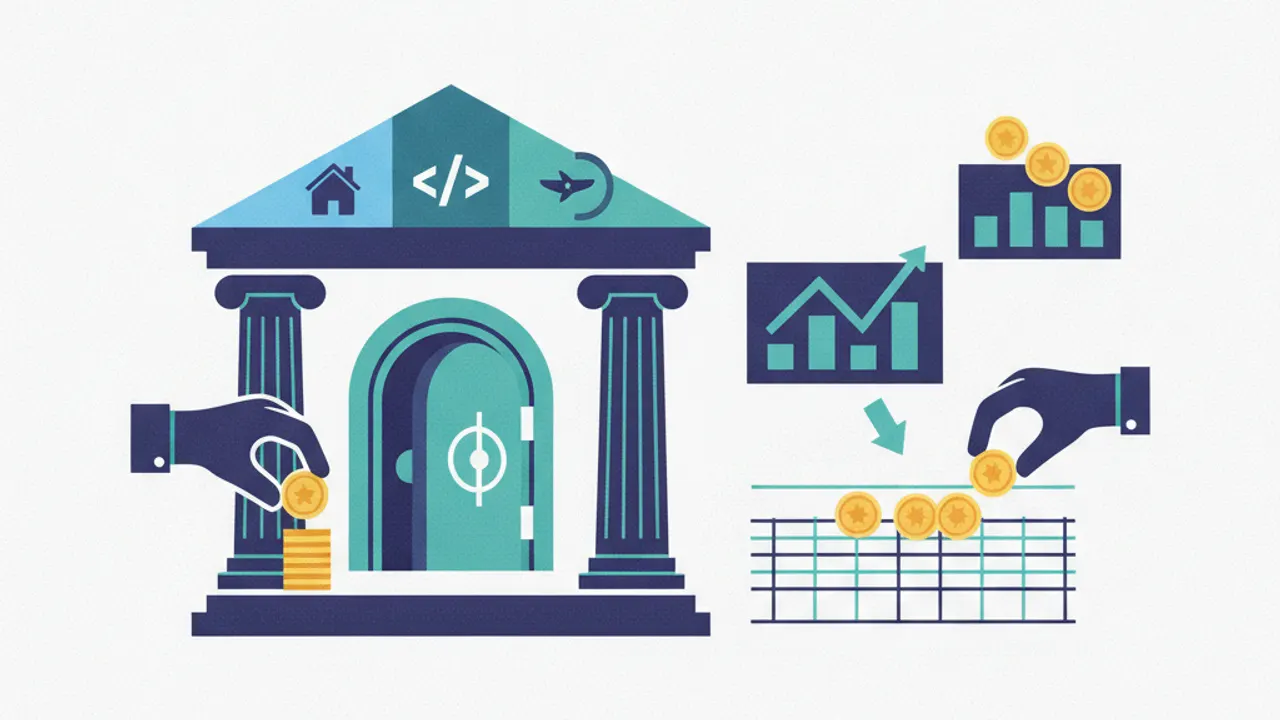
On September 25, 2026, Microsoft unveiled a sweeping reorganization of its flagship AI platform, dividing Copilot into three core pillars: Home, Code, and Autopilot. Guided by Chief Executive Officer Satya Nadella, the enterprise giant is positioning Copilot as an overarching operating layer, taking on offerings from Anthropic and OpenAI directly. The strategic shift moves corporate workflows beyond simple chat interfaces toward persistent, autonomous software agents.
The centerpiece of this update is Autopilot, an agentic system previously developed under the internal codename Scout. Built on top of the open-source agent framework OpenClaw, Autopilot can execute complex, multi-step tasks across extended durations without continuous human oversight. Instead of merely responding to static prompts, it orchestrates background operations, maintains context, and can even host AI-generated micro-applications.
This architectural pivot is paired with a major departure from Microsoft's traditional per-seat licensing model. To support compute-heavy autonomous agents such as Autopilot and Cowork, the company is implementing a hybrid per-seat-plus-consumption pricing structure powered by Copilot Credits. While standard conversational features remain covered under the base seat fee, advanced tasks and frontier model queries will actively draw down dynamic credit balances based on inference volume.
The introduction of variable inference costs creates immediate FinOps and governance requirements for corporate IT and finance leaders. To prevent budget overruns triggered by unconstrained background execution, Microsoft is launching management capabilities through Agent 365. System administrators are required to configure strict spending caps, assign departmental quotas, and monitor token burn rates before deploying autonomous agents across their teams.
Microsoft's shift highlights an industry-wide economic reality where flat-rate subscription models struggle to absorb the compute demands of autonomous AI. Because prolonged agentic execution scales with task duration rather than human user count, software providers must protect their operating margins. Microsoft's hybrid billing model provides a clear blueprint for how enterprise software will be monetized in the agentic era.