
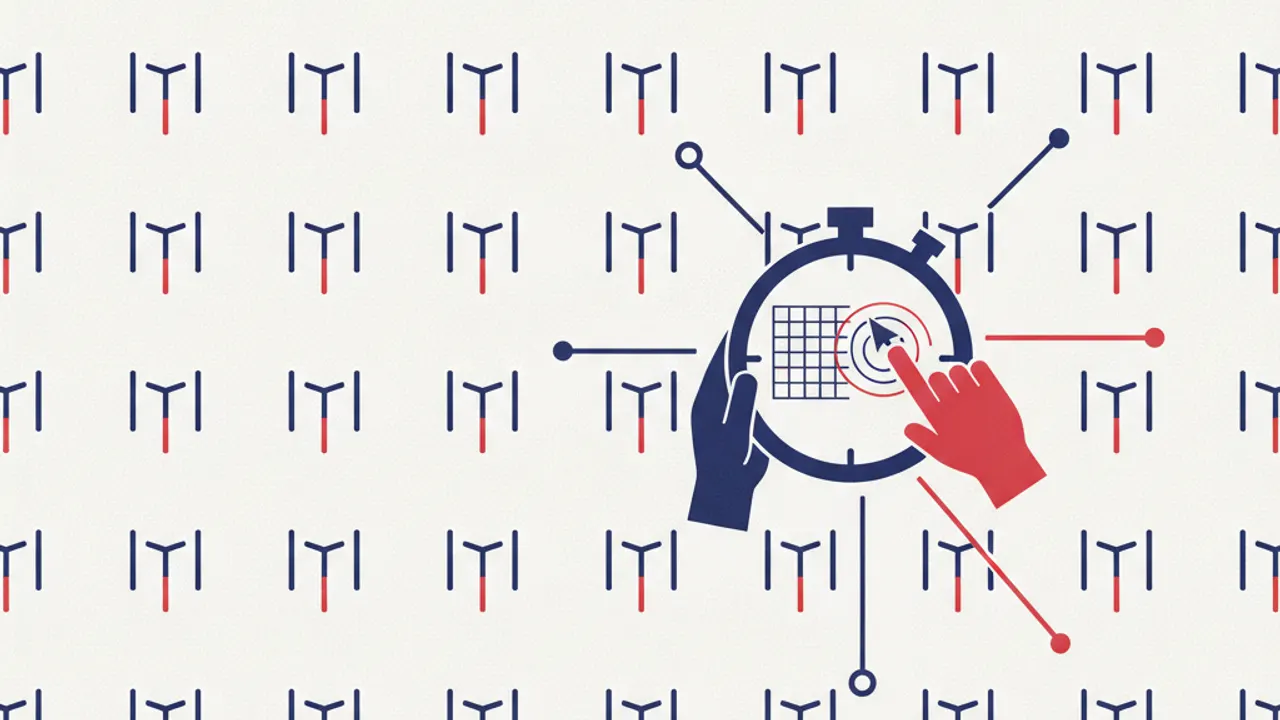
Ahead of the 2026 NFL season, Microsoft and the National Football League announced an extensive upgrade to their sideline technology infrastructure on September 9, 2026. The technical overhaul directly impacts the Game Analytics Dashboard and the Sideline Viewing System, which have long been staples across the league. This modernization is designed to transform tactical preparations into actionable real-time insights during live games. Coaches and data specialists now have access to automated modeling tools that allow for strategic adjustments while the action on the field is still unfolding.
At the core of the latest update lies a deeper integration of Microsoft Copilot within Excel, tailored specifically for data analysts working inside coaching booths. Analysts stationed high above the stadium can now move beyond static number-crunching by using generative prompts to model complex in-game metrics on the fly. Within seconds, the software calculates statistical distributions and conditional success probabilities based on the ongoing match. This automated generation of tactical scenarios sharply reduces reaction times between plays and eliminates the need for manual spreadsheet calculations.
To bridge the gap between high-level analysis and on-field execution, Microsoft introduced a dedicated streaming capability known as Live-Casting. The feature mirrors interactive dashboards, visual trend lines, and probability metrics directly from the booth cockpit to the Microsoft Surface tablets used on the sideline. Previously, coaches had to rely heavily on verbal radio exchanges or static still images to assess tactical shifts. With synchronous screen casting, decision-makers on the field now see the exact same dynamic data models that analysts are examining upstairs.
The Seattle Seahawks have emerged as early adopters of the newly deployed system. Led by head coach Mike Macdonald and analytics director Brian Eayrs, the franchise is integrating these Copilot tools into its everyday operational routine. Alongside the deployment, the Seahawks formally introduced Microsoft as their official AI partner to support predictive game management. Macdonald and Eayrs leverage the platform to validate offensive and defensive play calls against predictive models before sending instructions onto the field.
This shift toward predictive analytics highlights a fundamental transition in how professional football teams manage strategic risk during high-stakes matchups. Traditional sports analytics focused primarily on post-game reviews and historical tendencies, whereas the new generative features deliver real-time guidance under severe time constraints. Critical decisions, such as whether to attempt a fourth-down conversion or execute a high-risk defensive blitz, are increasingly anchored in live algorithmic calculations. Coaches receive concrete statistical benchmarks directly at the sideline rather than relying solely on intuition.
Through this initiative, Microsoft is expanding the footprint of its artificial intelligence ecosystem well beyond conventional corporate office settings. The combination of durable mobile hardware, cloud infrastructure, and generative spreadsheet tools illustrates how enterprise software can be adapted for extreme real-time environments. For the NFL, the update represents another step in integrating cutting-edge computation into athletic competition, making in-game tactical adjustments faster and more mathematically rigorous.