On September 25, 2026, Microsoft announced a comprehensive restructuring of its Copilot ecosystem, consolidating its disparate artificial intelligence tools into a unified interface. The software giant organized the application into three dedicated sections named Home, Code, and Autopilot. Microsoft CEO Satya Nadella positioned the overhaul as a direct move to meet the rising demand for agentic workflows and to counter competing systems, notably Meta's Muse platform. The shift marks a definitive turn from passive conversational chatbots toward persistent, autonomous software agents.
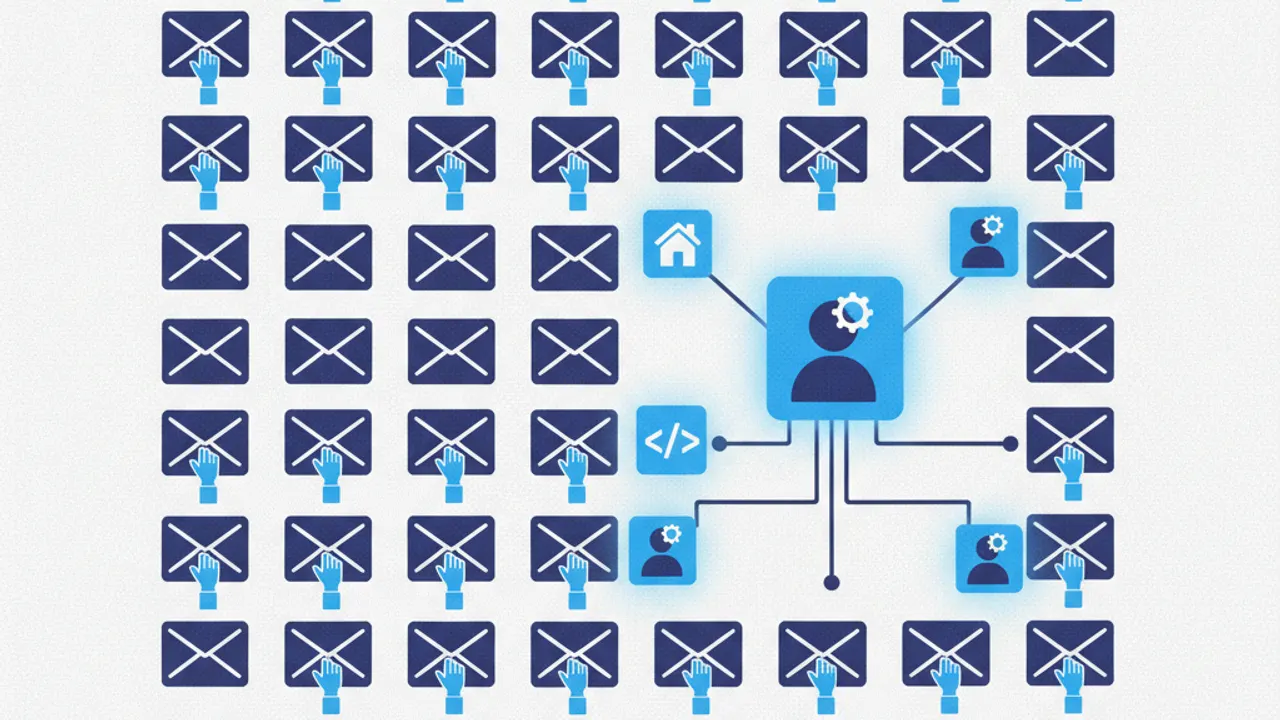
The Autopilot workspace serves as the enterprise core of the revamped platform. Through this interface, organizations can deploy and supervise persistent digital team members equipped with long-term memory capabilities. Crucially, these autonomous agents are assigned verified corporate identities alongside IT-managed Outlook email accounts. Instead of functioning as transient chat interfaces, the digital workers can operate continuously across corporate communication channels, receiving assignments and coordinating tasks like standard employees.
Alongside Autopilot, Microsoft introduced the Code section, designed to provide a secure environment for software engineering and workflow automation. The workspace functions as an isolated sandbox for application generation and automated script execution. By decoupling active program execution from the standard Home chat interface, the platform aims to isolate code generation tasks within safe guardrails while allowing the system to build and test functional applications autonomously.
The operational transformation brings a significant overhaul to Microsoft's enterprise commercial strategy. Satya Nadella confirmed that the company is transitioning from flat licensing to a hybrid per-seat-plus-consumption pricing model. Because autonomous background agents generate recurring inference workloads regardless of direct human interaction, fixed monthly seat subscriptions are no longer sufficient to sustain the compute costs associated with continuous execution.
Microsoft's announcement comes amid heightened scrutiny regarding the system permissions granted to agentic architectures. Meta's rival Muse software recently triggered substantial debate, as technologist John Gruber noted on Daring Fireball that the system presents an approachable facade while operating a persistent Linux cloud virtual machine and demanding deep macOS permissions. Independent developer Simon Willison highlighted the observation as an important turning point in consumer agent security, underscoring the contrast with Microsoft's enterprise-administered model.
The new Copilot capabilities will begin rolling out gradually over the coming weeks, starting with corporate participants in the Microsoft Frontier preview program. For enterprise IT administrators, the integration marks the beginning of an era where synthetic staff members require dedicated credential management, access controls, and compliance audits. The long-term commercial success of the initiative will depend on whether organizations find the productivity of persistent agents worth the added consumption expenses.