
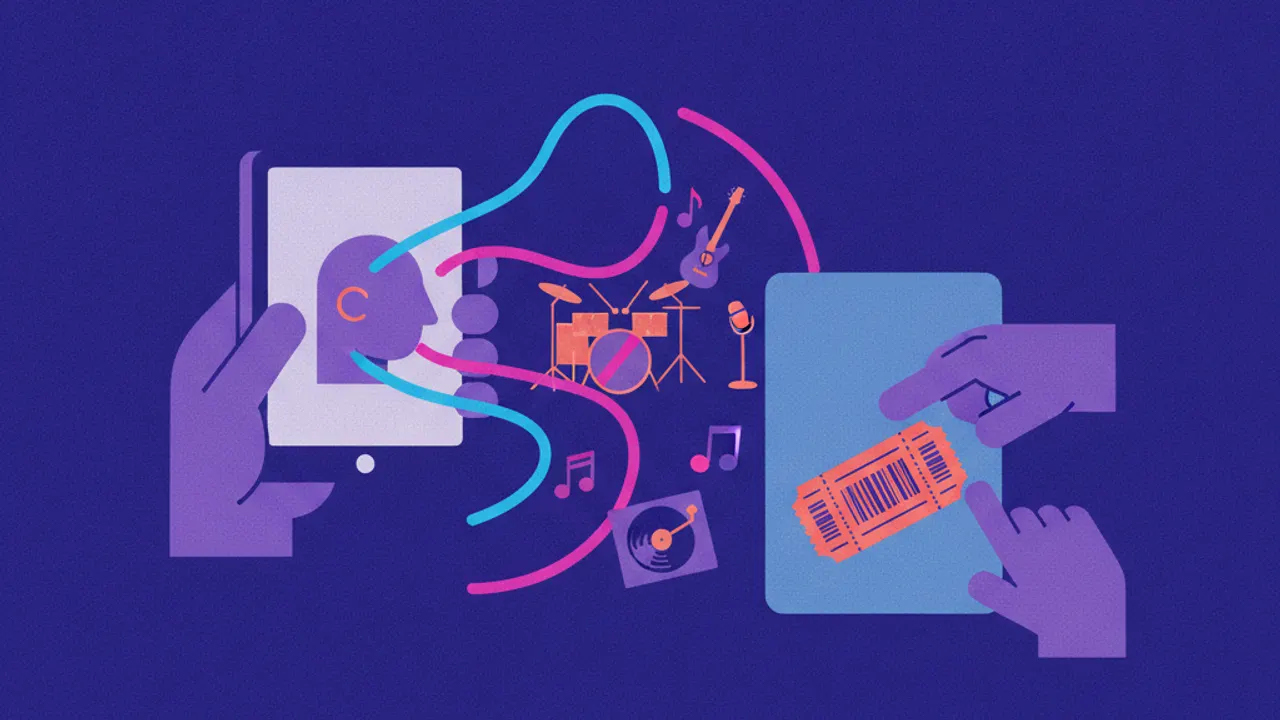
Meta has officially launched its autonomous AI assistant named Muse, designed to handle daily organizational tasks and leisure scheduling for users. Rather than functioning solely as a standard conversational chatbot, the system is architected to inspect user calendars, evaluate individual preferences and independently orchestrate external tasks such as ticket acquisitions and bookings.
The software rollout immediately prompted intense backlash across the entertainment sector. To consolidate branding for its proprietary agent, Meta unilaterally reassigned the verified social media handles @Muse on Instagram and Facebook. Those handles had been held for years by the British rock band Muse, a multi-platinum and Grammy-winning arena act. As a consequence of the platform intervention, the band was forced to relocate its presence to @Museband.
The takeover drew severe criticism from musicians, fans and digital copyright observers. Commentators framed the administrative seizure as a clear demonstration of asymmetric platform power, in which a infrastructure provider can summarily displace established creative brands to favor internal products. Coverage across tech and music publications underscored the arbitrary nature of the displacement, prioritizing automated tooling over an existing artistic legacy.
Alongside the dispute over naming rights, Meta unveiled its first major commercial collaboration for the assistant. On September 11, live entertainment distributor Ticketmaster joined as the inaugural music and entertainment partner for Meta Muse. The partnership integrates Ticketmaster's catalog directly into the agent, allowing the AI to scan tour itineraries, check ticket availability and surface localized event recommendations.
The technical workflow interfaces directly with private user data. Upon granted permission, Muse reviews personal calendar obligations and evaluates musical tastes across linked platforms. Whenever the agent identifies relevant concerts, it stages the ticket purchase workflow directly within the messaging interface. This structure aims to compress browsing, price checking and seating selection into an automated, conversational interaction.
The parallel rollout of brand displacement and commercial expansion highlights Meta's broader ambitions in agent-driven commerce. While Ticketmaster gains direct access to billions of prospective concertgoers across Meta's applications, Meta positions Muse as an indispensable intermediary for consumer spending. Nevertheless, the friction surrounding the launch underscores escalating friction between Silicon Valley platforms and the creative industries whose identities they host.