
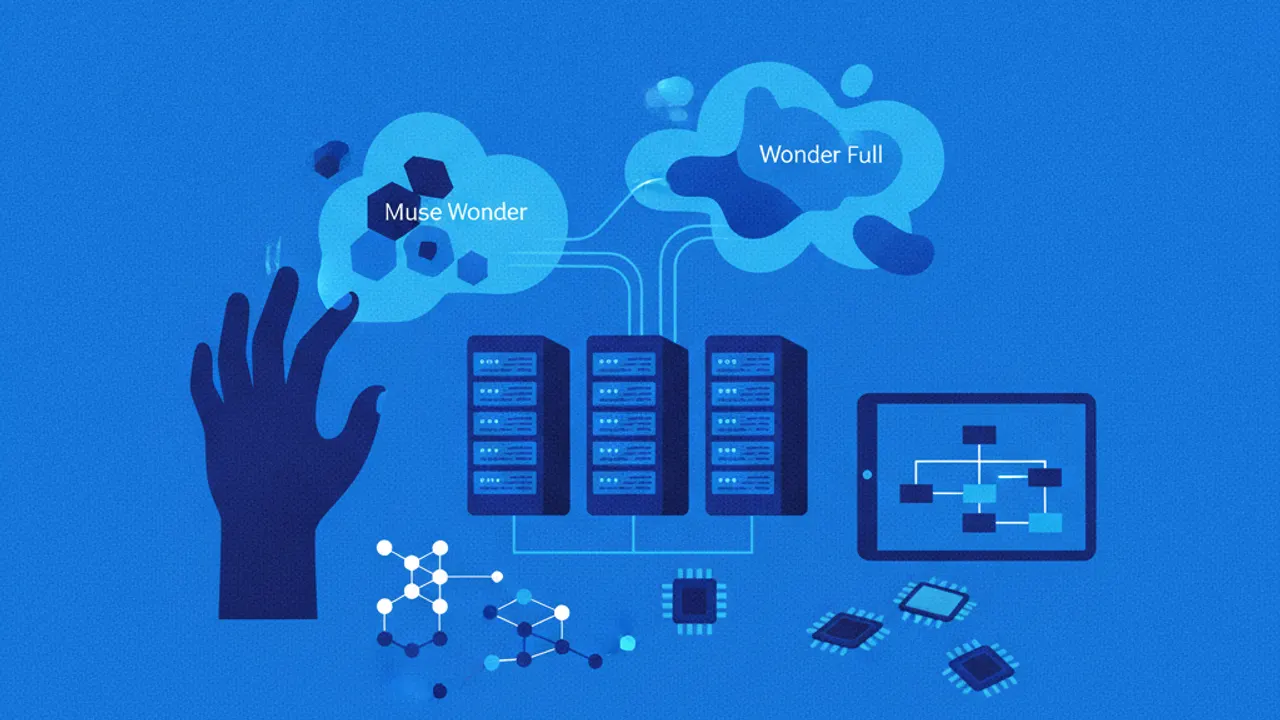
Meta Superintelligence Labs officially launched its second model generation on October 12, 2026. The new lineup features the baseline model Muse Wonder alongside its high-end counterpart Muse Wonder Full, which carried the internal codename Watermelon during development. With this rollout, Meta deepens its push into autonomous software systems, targeting the most demanding operational environments.
The models were trained inside Meta's gigawatt-scale data center infrastructure named Prometheus. Rather than serving purely conversational tasks, the architecture is tailored specifically toward personal and enterprise agent systems that execute complex, multi-stage workflows over extended durations. The emphasis rests on reliability, predictable execution and durable operation in modern developer environments.
Two technical capabilities form the structural backbone of the release: Active Memory and Active Focus. Active Memory delivers contextual long-term information retrieval, keeping critical historical facts and parameters accessible throughout an ongoing task. Active Focus steps in during workflow deadlocks, allowing the model to iteratively examine blockers and devise alternative execution paths without human intervention.
Early benchmark results reflect the architectural shift. On the Artificial Analysis Intelligence Index v4.3, Muse Wonder scored 52 points, while Muse Wonder Full recorded 56 points. These measurements bring Meta into direct contention with leading frontier models, matching benchmark brackets occupied by Claude Fable, Claude Opus and GPT-6 Astra.
Commercial availability began concurrently with the announcement. Both Muse Wonder and Wonder Full are accessible via the Meta Model API and the Muse Code programming environment. The company hopes this dual distribution strategy will establish its technology as a preferred framework for complex multi-agent engineering.