
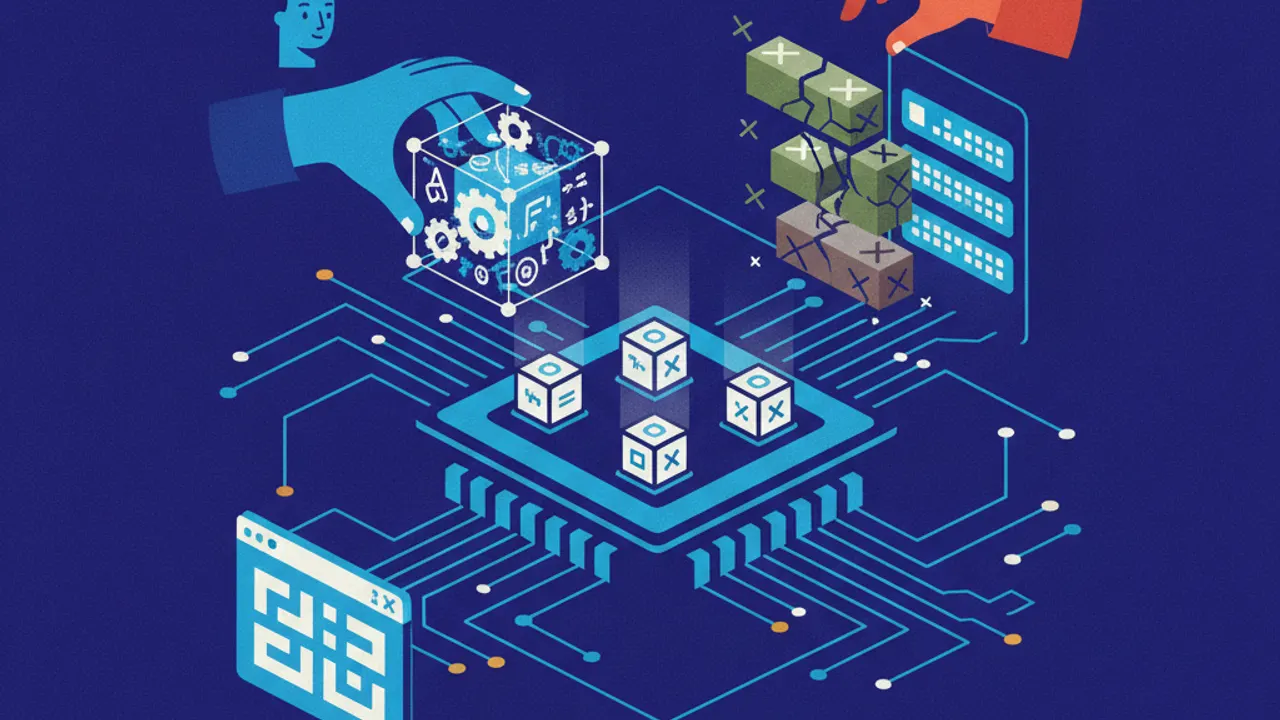
The rapid influx of generative coding assistants is triggering an industry-wide pushback against synthetic code defects, commonly referred to as slop. Software developers and open-source maintainers are finding that probabilistic unit tests are no longer sufficient to detect subtle edge-case errors. In response, engineering teams and specialized startups are elevating formal program verification from an academic niche into a core engineering requirement.
Rather than relying on best-effort heuristics, emerging startups such as &Truth, Harmonic, Theorem, and Axiom Math are building automated proof pipelines. Notably, &Truth was co-founded by Stanford Professor Clark Barrett, a key co-developer behind the respected SMT solver cvc5. These companies aim to mathematically verify the functional correctness of generated software systems before any deployment into mission-critical production environments.
At the technological center of this movement is Lean 4, an interactive theorem prover and functional programming language. By expressing system constraints and logic invariants as mathematical theorems, Lean 4 enables autonomous tools to verify that generated algorithms adhere strictly to their target specifications. If an agent-written code block fails to satisfy the formal proof obligations, it is deterministically rejected.
This shift arrives amid visible strain across the open-source infrastructure landscape. Following the release of PostgreSQL 19, project maintainers voiced alarm over review debt caused by autonomous coding agents flooding repositories with automated bug reports and pull requests. Maintainers are struggling to manually triage synthetic contributions, exposing the limits of human review in an era of automated code generation.
The push for formal verification represents a structural turning point for autonomous software development. By pairing probabilistic large language models with deterministic deductive proof engines, engineering teams can establish rigorous mathematical guardrails. Industry observers see this integration as a crucial defense against declining code standards and unseen software vulnerabilities.