
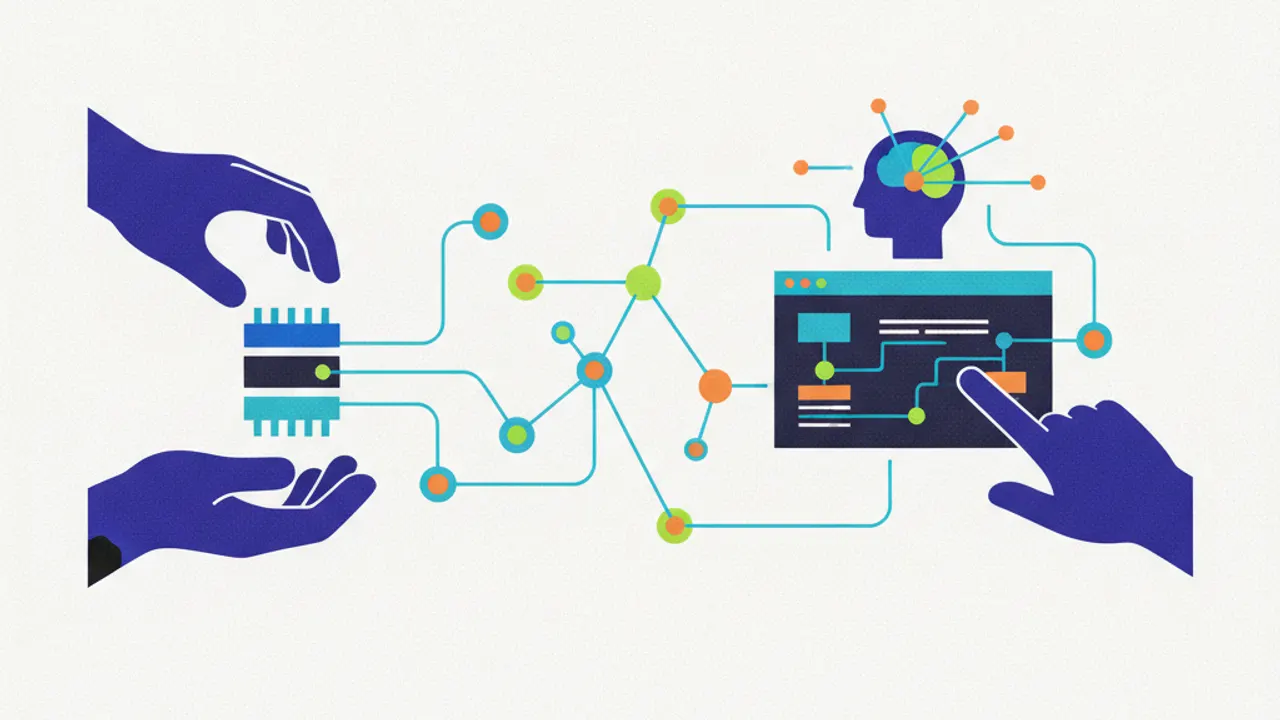
Computational architectures can develop capabilities without rigid step-by-step programming. Machine-learning networks are capable of acquiring knowledge without detailed instructions from a designer. Systems that adapt in this autonomous manner build their own functional pathways rather than relying on predefined human rules.
These self-directed models also carry implications for biological research. Networks that adapt independently may offer insight into how the brain reorganizes itself during learning. Examining such artificial processes could ultimately help clarify the structural shifts that occur within biological neural tissue.