
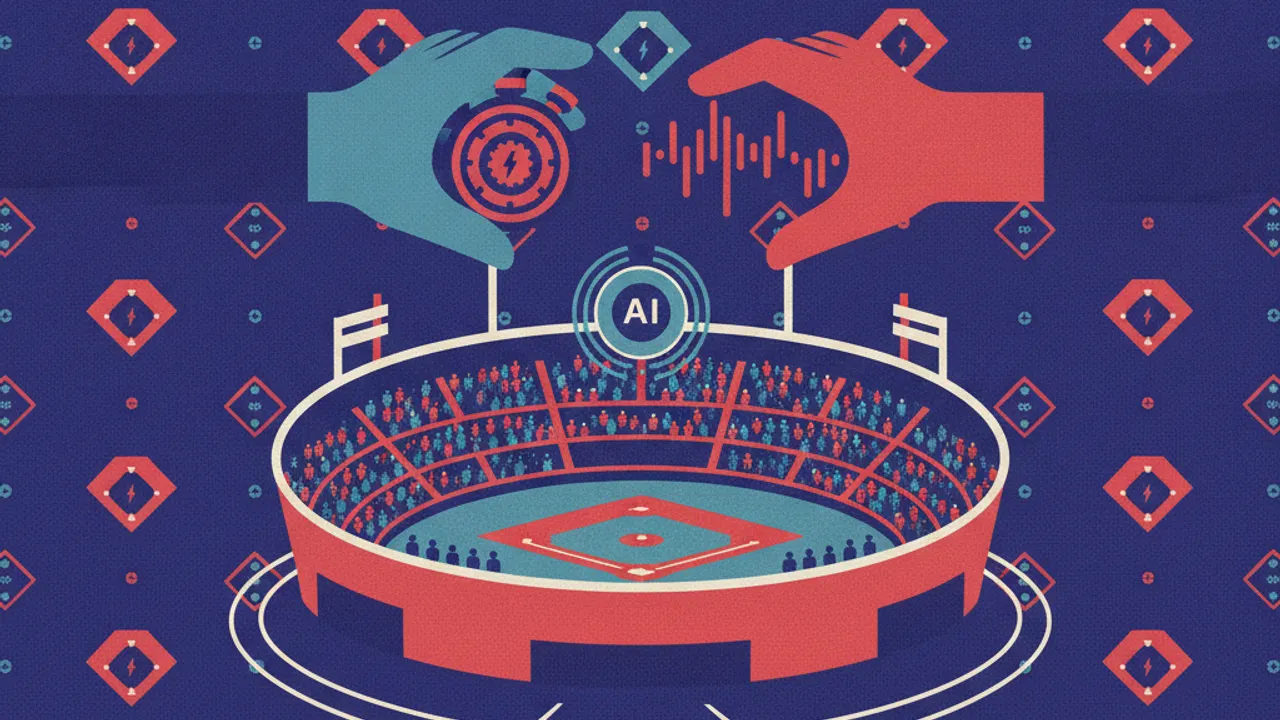
Major League Baseball franchises are accelerating their adoption of artificial intelligence beyond on-field analytics. On August 25, 2026, both the Toronto Blue Jays and the Miami Marlins announced major enterprise partnerships aimed at transforming fan interaction and venue logistics. While the Blue Jays are integrating Microsoft cloud and generative AI technologies, the Marlins are implementing an agentic AI platform from Dialpad for stadium operations.
Under the multi-year agreement between Microsoft and the Toronto Blue Jays, the Canadian franchise is modernizing its digital infrastructure using Microsoft Azure. A key element of this collaboration involves deploying generative AI tools, including Microsoft Copilot, to create automated and interactive fan content. Among the planned initiatives are automated game recaps and digital segments such as the Copilot Performer of the Game.
Beyond automated content generation, the Blue Jays aim to structure their fan data streams to offer personalized interactions throughout the season. By leveraging Azure infrastructure, the organization intends to tailor content to individual supporter preferences while streamlining production workflows. This move reflects a broader trend among major sports franchises seeking to scale digital media output without linearly increasing operational headcount.
Meanwhile in Florida, the Miami Marlins are focusing on autonomous operational workflows at loanDepot park. The club named Dialpad as its official AI communications partner, introducing an agentic AI platform to manage fan and ticket support. Unlike conventional chatbots that simply provide pre-scripted responses, this agentic system is designed to execute backend tasks autonomously.
The platform handles real-time visitor inquiries and resolves common ticketing issues on matchdays. If fans encounter barcode or access problems at stadium gates, the AI can independently reissue tickets or execute seat rebookings. Additionally, the system coordinates automated stadium-wide updates during weather-related game delays, ensuring visitors receive synchronized real-time information.
These simultaneous announcements highlight a structural shift in professional sports management. Artificial intelligence is evolving from behind-the-scenes scouting algorithms into active agents operating directly across live customer service and event administration. For sports executives, the reliable integration of agentic platforms with existing ticketing and CRM systems is becoming a core operational priority.