
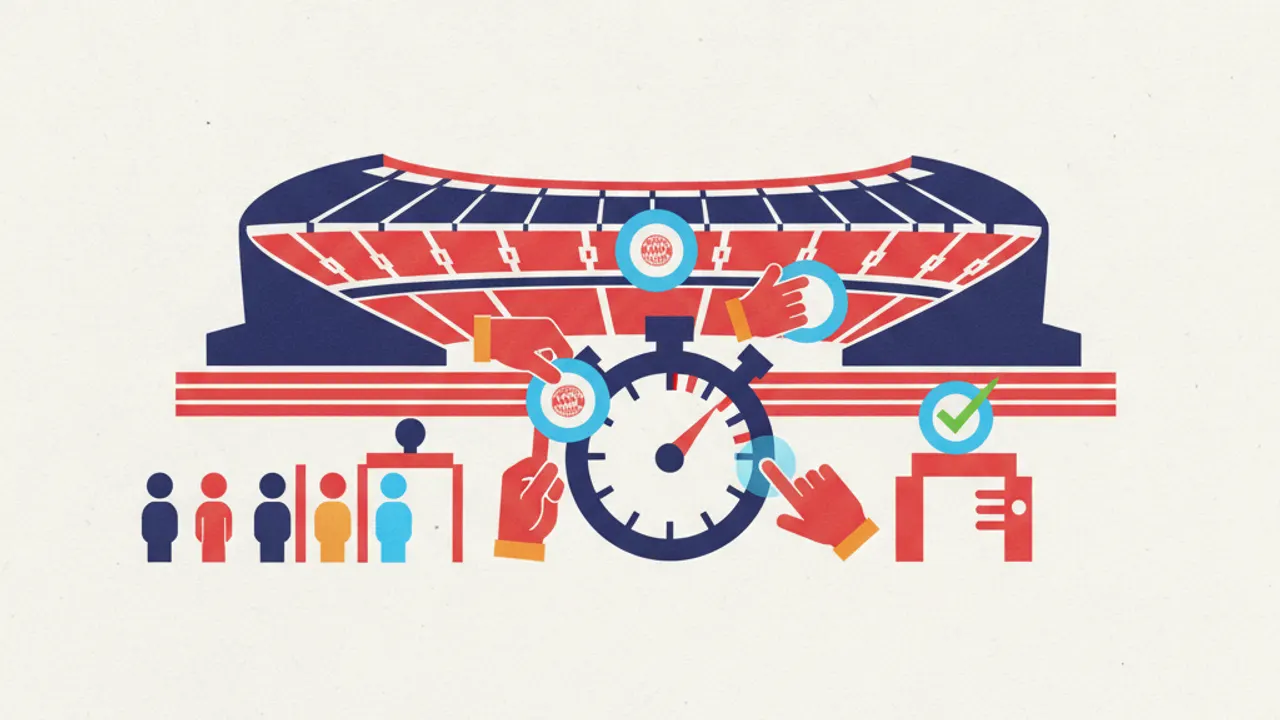
FC Bayern Munich has entered into a three-year corporate partnership with artificial intelligence specialist Wonderful Enterprise, running through 2029. The formal agreement was concluded on September 9, 2026, and officially disclosed to the public on September 16, 2026, via an announcement from both organizations. Through this long-term arrangement, the German football club integrates advanced software technology directly into its core organizational workflows. The agreement represents a focused modernization effort that embeds automated tools into the heart of the club's event logistics, ensuring seamless coordination across digital channels.
Conceptually, the deployment differs substantially from earlier digital initiatives seen across professional sports. In sharp contrast to conventional marketing chatbots that focus primarily on promotional interactions or general user inquiries, the priority here rests squarely on operational matchday infrastructure. The club and its technology partner have deliberately bypassed surface-level customer service tools in favor of addressing critical backend bottlenecks. The project centers entirely on resolving tangible administrative challenges that routinely affect stadium operations prior to major sporting events.
The physical deployment center for this architecture is the club's home venue, the Allianz Arena in Munich. An autonomous agent network is being integrated directly into the facility's existing ticketing and physical access control systems. Rather than relying on static single-purpose scripts, the framework establishes a mesh of software agents capable of monitoring system states and executing backend commands independently. By interfacing directly with entry turnstiles and validation databases, the agents operate at the central choke points of stadium access.
The operational demand for this autonomous intervention stems from the severe peak traffic periods that emerge directly before kickoff on matchdays. Within a tightly compressed window of time, tens of thousands of ticket holders converge on the arena gates simultaneously. When technical delays occur at scanning terminals or user authentication portals during these high-volume minutes, long queues quickly materialize outside the turnstiles. The autonomous agent network was engineered specifically to intervene during these surges, preventing physical congestion before it disrupts access.
The software agents are designed to resolve three specific, recurring technical failures that routinely impede digital entry. These scenarios include failed digital ticket transfers between mobile devices, synchronization discrepancies occurring directly at the electronic turnstiles, and locked supporter login accounts. In traditional stadium setups, such authentication errors require affected visitors to visit manual clearing booths or service counters. The new system bypasses these manual detours by resolving the underlying digital conflict automatically.
Once an error is detected, the agent network processes and resolves the incoming request in seconds within the backend infrastructure. The software autonomously verifies permission records, rectifies database synchronization drops, and clears account blocks without requiring manual human oversight. By shifting troubleshooting from manual help desks directly into autonomous software routines, the club ensures that spectators can reach their seats safely and without unnecessary friction. For FC Bayern Munich and Wonderful Enterprise, this implementation establishes a reliable foundation for venue operations that will remain active through 2029.