
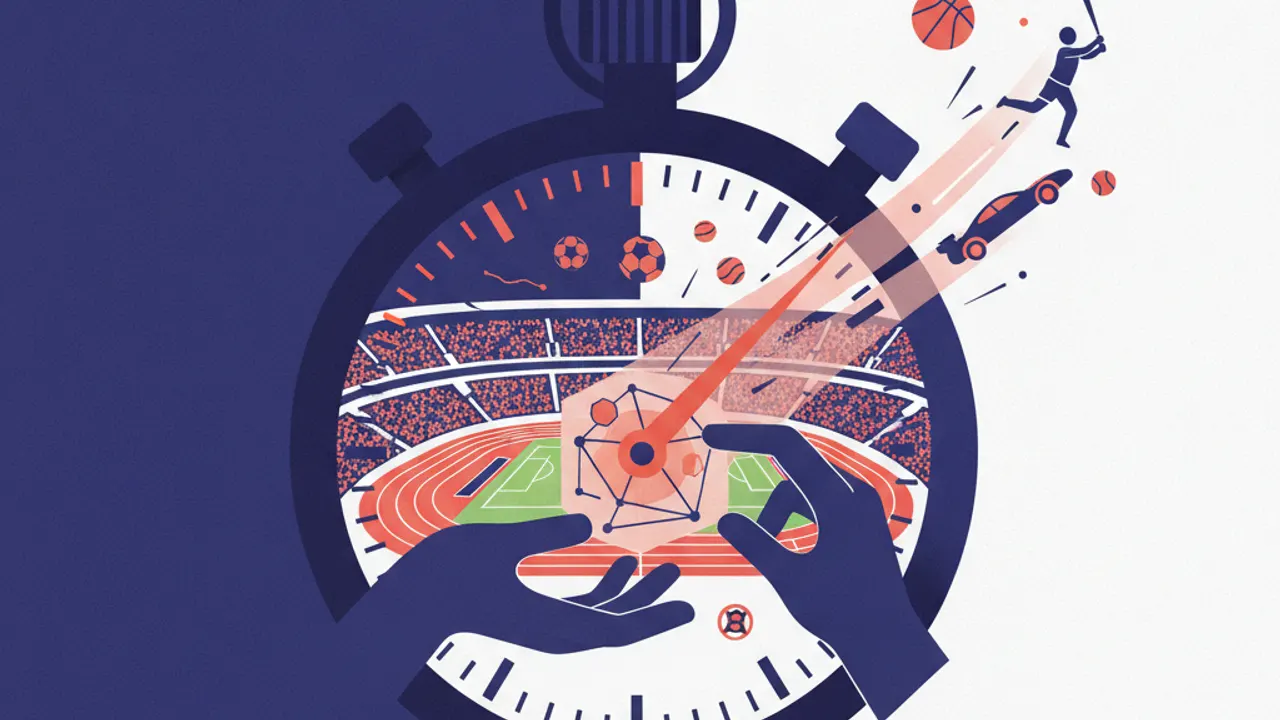
The Walt Disney Company and Adobe have announced a multi-year partnership at the Adobe MAX conference aimed at advancing the integration of artificial intelligence into sports broadcasting. At the center of the alliance is American sports network ESPN, which will embed generative AI capabilities directly into its broadcast and digital pipelines. Both corporations intend to reshape how athletic competition is packaged, analyzed, and delivered to audiences worldwide. By introducing tailored AI models, the collaboration seeks to elevate real-time engagement across live broadcasts and digital distribution channels.
The operational deployment of the technology will be spearheaded through the ESPN Edge Innovation Center, the network's specialized incubator for experimental broadcast tech. Through this dedicated facility, engineers and editorial teams will test how generative systems can handle the severe time constraints inherent to live sporting events. ESPN plans to roll out customized generative models explicitly trained to meet rigorous sports journalism standards. The initiative ensures that production crews, graphics specialists, and studio analysts can access these cutting-edge digital assets instantaneously during live production workflows.
A primary focus of the partnership involves unlocking ESPN's vast repository of historical sports assets. Over decades of broadcasting, the network has accumulated one of the largest video and statistical archives in the sports industry. Historically, retrieving relevant footage or obscure statistical precedents required time-consuming manual searches by specialized research librarians. The new AI infrastructure is designed to scan, interpret, and surface relevant historical assets in real time, making decades of sports heritage instantly accessible to broadcast teams.
This rapid retrieval capability will play a decisive role during unpredictable live sports broadcasts. Whenever an athlete achieves a milestone or a decisive play unfolds on the field, the system can automatically generate second-by-second re-contextualizations with comparable moments from the past. Concurrently, Adobe's generative tools will automate the production of dynamic graphics and contextual overlays that substantiate the live action on screen. This mechanism grants television directors unprecedented freedom to enrich dramatic moments with deep contextual storytelling as events happen.
Beyond linear television broadcasts, the partnership aims to transform digital fan interaction through personalized storytelling. By deploying generative tools across mobile apps and interactive digital platforms, ESPN intends to deliver custom narratives tailored to individual user preferences. Supporters will be able to access targeted visual breakdowns, player-centric highlights, and dynamic statistical feeds aligned with their favorite franchises. Through these capabilities, Disney and ESPN are adapting to shifting consumption habits where fans increasingly demand interactive, tailored experiences alongside conventional live streams.
The agreement reflects the broader competitive urgency among legacy sports broadcasters to maintain audience engagement in a fast-evolving media ecosystem. With younger demographics gravitating toward fragmented digital content and social media highlights, traditional networks require scalable solutions to retain viewership. For Adobe, the multi-year deal provides a premier stage to showcase enterprise generative AI capabilities under the unforgiving demands of high-stakes live sports. Consequently, the alliance between Disney and Adobe is poised to serve as a bellwether for the future of automated sports production across the wider entertainment sector.