
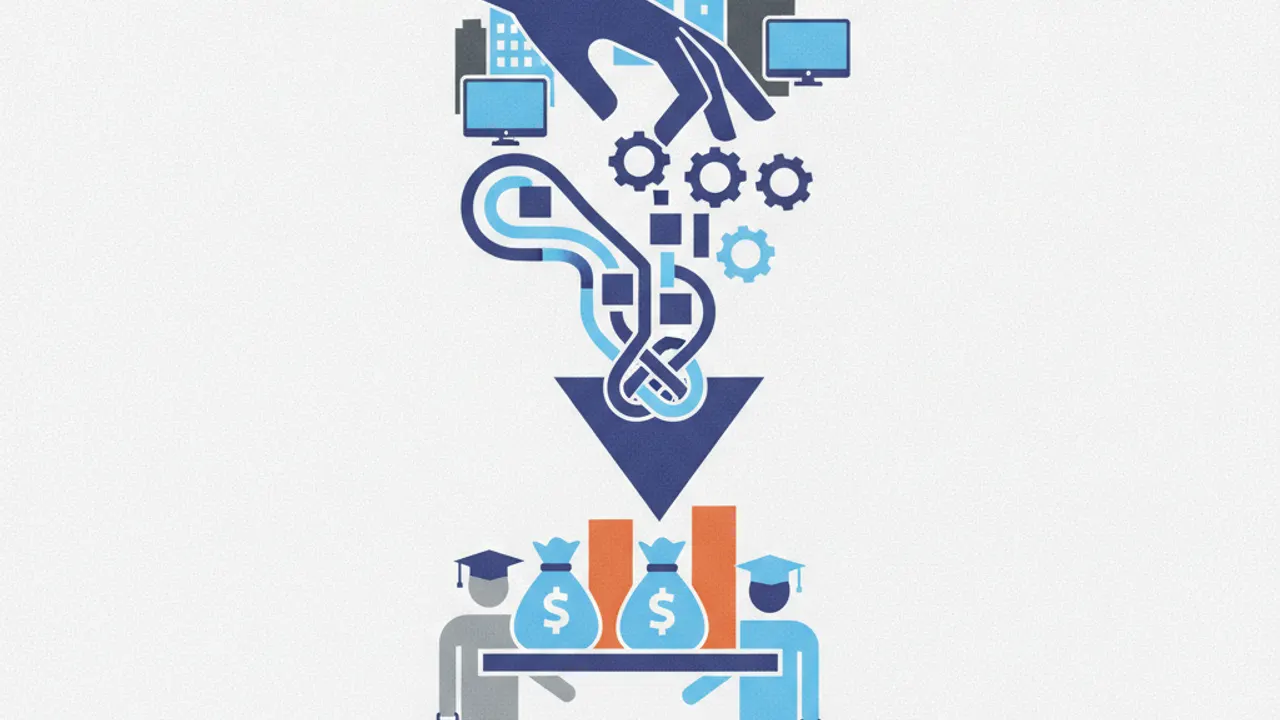
The uncritical testing phase of artificial intelligence in German companies is giving way to strict financial efficiency. According to an Ifo Institute survey of over 3,000 AI-using companies published on August 12, 2026, about half expect falling wages or suppressed real wage growth over the next five years. Employees with less than five years of experience and workers in the service sector are particularly vulnerable to this structural shift.
Intelligent software is also making a noticeable impact on tech startups across Germany. A Bitkom survey of founders published on the same day revealed that 27 percent of startups avoided planned new hires over the past twelve months due to efficiency gains from AI. Furthermore, 7 percent of startups reported actively cutting jobs during this period specifically because of AI software implementation.
These localized findings align with global data from the PwC AI Jobs Barometer published on August 7, 2026, which analyzed over one billion job postings worldwide. The study indicates that while AI is not causing sudden mass unemployment, it is dramatically raising skill requirements for entry-level positions. This shift triggers a seniorization of junior roles, requiring candidates to possess capabilities on day one that were previously reserved for senior experts.
The driver behind this transformation is the automated absorption of traditional entry-level routine tasks by generative models and agents. Routine assignments such as basic data analysis or drafting standard documents no longer hold independent market value. As a result, the market value of pure entry-level work is declining, putting sustained pressure on wage growth for younger personnel.
For organizations in the DACH region, process integration and measurable return on investment have become top priorities. Employers hiring new talent now expect advanced practical AI competence as a fundamental baseline requirement. To secure their place in the labor market, junior professionals must learn to direct and orchestrate AI systems effectively from the outset.