
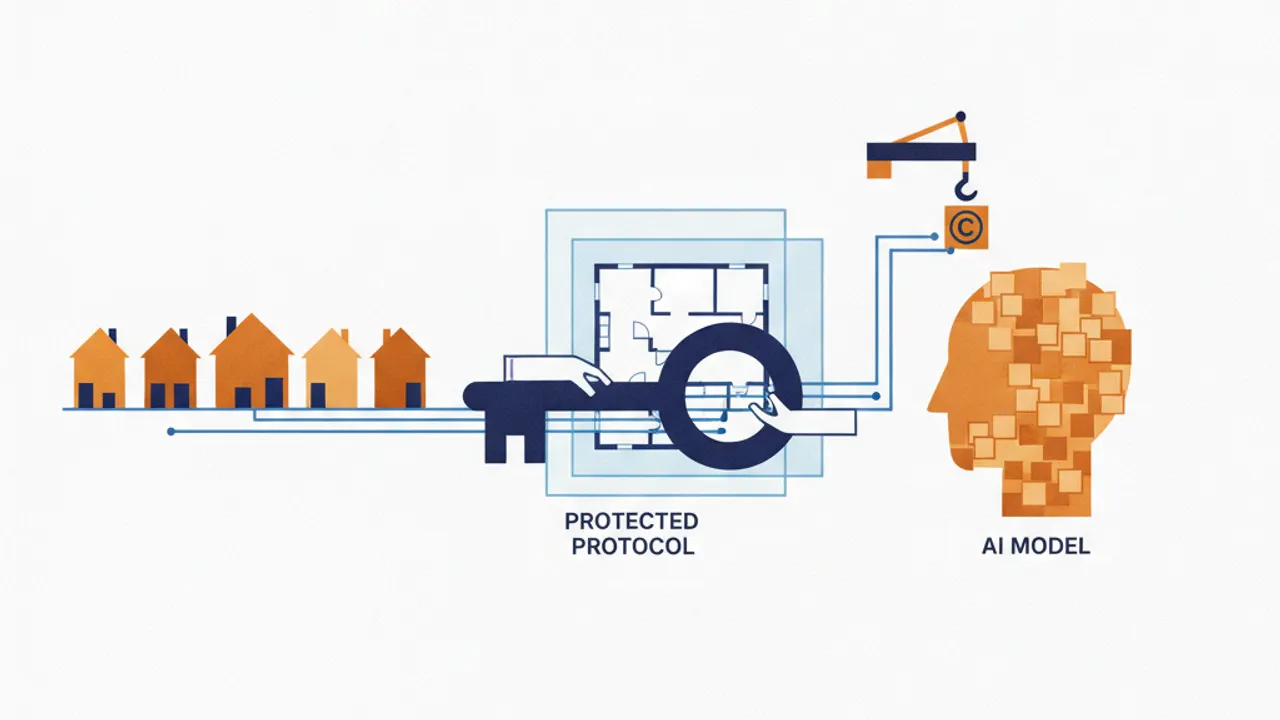
Regional US listing operator Intermountain MLS, which serves approximately 9,000 real estate brokers and agents, has adopted the Model Context Protocol developed by SourceRE. The integration enables external artificial intelligence assistants such as ChatGPT and Claude to access verified listing information directly through a governed interface. This step directly addresses the challenge of making proprietary real estate databases accessible to automated systems without forfeiting institutional control over listing records.
The technical foundation of the initiative is the Model Context Protocol, known as MCP. The framework operates as an intermediary layer between the proprietary multiple listing service database and external generative models. Rather than exposing unstructured data to the open web, the protocol processes structured queries under strict operational guidelines. Through this architecture, Intermountain MLS preserves complete data sovereignty and maintains an auditable record of how external platforms query its repository.
A primary motivation for deploying this managed connection is the prevention of uncontrolled web scraping. Historically, artificial intelligence companies have gathered listing details from public property websites without explicit licensing agreements or formal authorization. By utilizing the SourceRE protocol, Intermountain MLS enforces copyright policies and access boundaries directly at the software interface level. Unauthorized harvesting is restricted, while compliant systems receive data via verified pipelines.
For end users interacting with conversational artificial intelligence platforms, the direct connection improves response accuracy during property inquiries. When applications like Claude or ChatGPT query listings through the protocol, the risk of delivering outdated pricing or incorrect availability metrics decreases significantly. Consumers and professionals receive property information sourced directly from the authorized regional database in real time.
This agreement highlights a wider structural change occurring across the property technology landscape during October 2026. The sector is moving beyond basic text generation toward governed data infrastructures and agentic workflow automations. By establishing formal protocols for external model integration, regional real estate boards can defend their intellectual property assets while supporting the next generation of automated software tools.