
The use of generative AI tools in the job search has crossed a critical threshold in Germany, fundamentally transforming the dynamics between employers and applicants. A survey released on October 3, 2026, by the HR panel of recruitment specialist softgarden documents the massive scale of this shift. According to the data, 73.5 percent of job seekers in Germany now rely on AI tools to organize or accelerate their application processes. Sixty percent of respondents reported actively using generative systems to draft their cover letters, resumes, and application portfolios. While this promises substantial time savings for candidates, it presents corporate HR departments with unprecedented operational challenges.
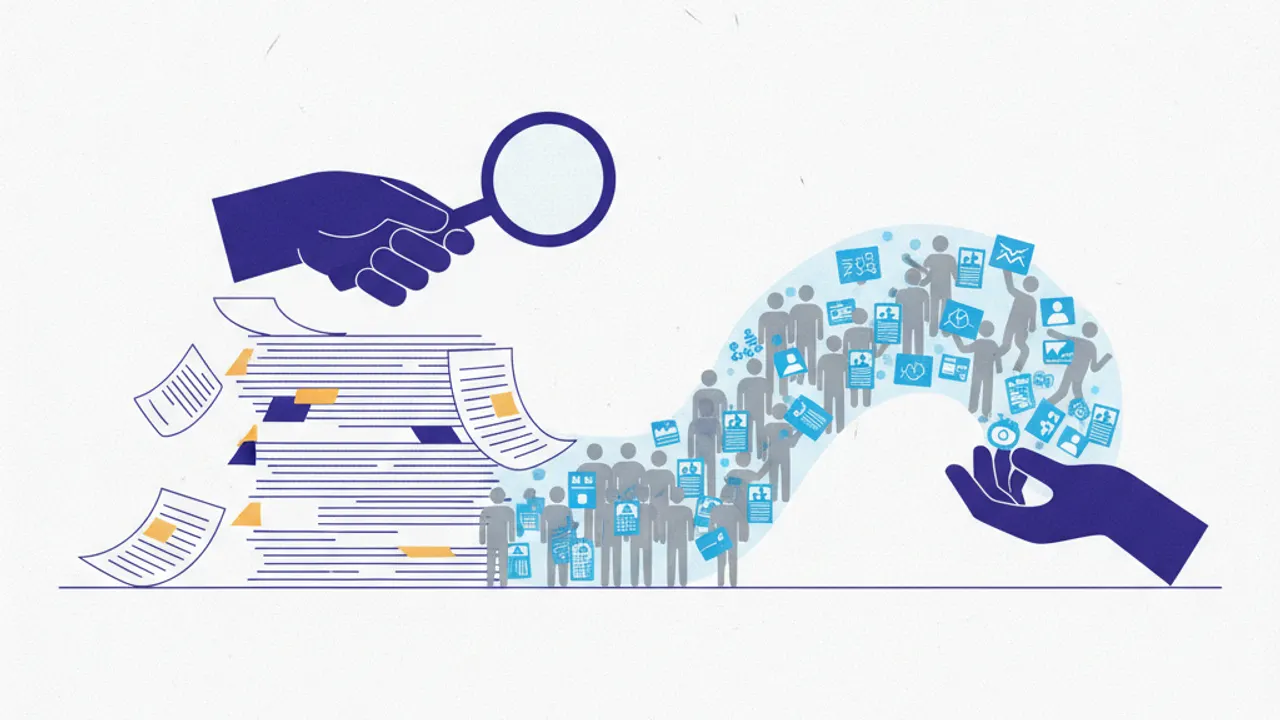
The downside of this automated application wave is hitting hiring managers with severe force. According to the softgarden panel results, 71 percent of surveyed HR leaders reported a sharp increase in standardized, unqualified mass applications. Because modern language models lower the barriers to entry, candidates can distribute dozens of linguistically flawless applications across disparate vacancies with minimal manual effort. Inboxes in recruitment departments are filling up with submissions that look polished on paper, but frequently miss the actual requirements of the roles. The sheer volume of material consumes valuable time and resources across recruitment teams.
This influx of synthetic documents has triggered a deep crisis of confidence in conventional hiring dossiers. A full 65 percent of surveyed recruiters admitted that reliably verifying professional and personal competencies solely from traditional documents has become impossible. Cover letters and CVs have largely lost their historical filtering function, as articulate phrasing and perfect grammar no longer correlate with genuine workplace qualifications. Hiring managers now face the dilemma that they can scarcely verify the true authorship and authenticity of submitted texts. As a result, the traditional initial screening mechanism is effectively breaking down.
As a direct consequence, companies are radically overhauling their hiring procedures. The panel highlights an accelerated transition away from document-based evaluations toward skills-based hiring. Employers are increasingly replacing the review of credentials and essays with practical live assessments and structured technical interviews. In these synchronous formats, applicants must demonstrate their capabilities directly, spontaneously, and without the aid of digital assistants. Organizations are seeking to surface verifiable problem-solving skills and authentic capabilities that are no longer clearly identifiable within AI-generated documents.
At the same time, the survey reveals substantial emotional frustration on the candidate side. Despite their own heavy use of generative software, 72 percent of job seekers criticize an increasing dehumanization of the entire recruitment process. Many candidates feel reduced to mere data points by automated acknowledgement emails, algorithmic pre-screening filters, and standardized testing platforms. The initial hope of improving one's odds through AI is turning into frustration as personal conversations with human hiring managers are postponed further back in the recruitment funnel.
The findings of the HR panel depict a self-reinforcing cycle across the German labor market. When applicants discover that their individual applications are drowned out by high submission volumes, many respond by generating even more AI-assisted filings. Employers, in turn, erect additional screening hurdles to cope with the surge of unqualified materials. For both sides, this cycle creates substantial friction and operational overhead, directly contradicting the original promise that generative AI would make hiring faster, leaner, and more transparent for everyone involved.